

The Lymph Node Sign is helpful in about 75% of cases.
Around ovulation a lymph gland in the groin on the same side as the ovulating ovary enlarges to about the size of a pea and becomes tender when pressed.
Daily examination of this gland will reveal the increase in size and tenderness.
This is best done lying down with fingers straight, and pointing to the leg, so that the middle finger can feel the pulsating artery to the leg.
The index finger will then be over the lymph gland.
TODAY'S BOOK SUGGESTION:
 |
by Zita West
-- A pioneer in the field of fertility, Zita West's programme is invaluable for couples trying to conceive.
Harley Street's most popular fertility expert, and favourite consultant to celebrity clients, guides the reader through a process of vital physical and mental preparation.
The book is for every couple trying to conceive and has fascinating advice taken from Zita's 20 years of experience as midwife and 7 years as an acupuncturist.
It provides a structured, easy-to-follow step-by-step programme, complete with case studies and and enormously detailed questionnaire.
The guide includes details on:
• when and how often to have sex
• what can prevent fertilization and conception
• everything you need to know about sperm and ovulation
• nutrition, supplements and herbs
• complementary therapies such as acupressure, lymphatic massage and hypnotherapy
• how to overcome stress and other emotional blocks to pregnancy
• PCOS, endometriosis and other health issues
• tests and procedures if there is a problem
• and much much more.
📚 Start reading Zita West's Guide to Getting Pregnant on your Kindle in under a minute!
📚 Don't have a Kindle? Get your Kindle here, or download a FREE Kindle Reading App.

Subfertility is defined as the failure to conceive after 1 year of regular, unprotected intercourse with the same partner.
Approximately 10–17% of all couples experience primary or secondary subfertility at some time during their reproductive life.
UV radiation destroys folic acid, a precursor for folate, the lack of which may result in birth defects.
Current treatments of subfertile couples are usually empiric, as the true cause of subfertility often remains unknown.
Therefore, we outline the role of nutritional and biochemical factors in reproduction and subfertility.
A literature search was performed using MEDLINE, Science Direct and bibliographies of published work with both positive and negative results.
The studies showed folate has a role in spermatogenesis.
In female reproduction, folate is also important for oocyte quality and maturation, implantation, placentation, fetal growth and organ development.
Zinc has also been implicated in testicular development, sperm maturation and testosterone synthesis.
In females, zinc plays a role in sexual development, ovulation and the menstrual cycle.
Both folate and zinc have antioxidant properties which counteract reactive oxygen species (ROS).
Thiols, such as glutathione, balance the levels of ROS produced by spermatozoa and influence DNA compaction and the stability and motility of spermatozoa.
Oocyte maturation, ovulation, luteolysis and follicle atresia are also affected by ROS.
After fertilization, glutathione is important for sperm nucleus decondensation and pronucleus formation.
Folate, zinc, ROS and thiols affect apoptosis, which is important for sperm release, regulation of follicle atresia, degeneration of the corpus luteum and endometrial shedding.
Therefore, the concentrations of these nutrients may have substantial effects on reproduction.
In conclusion, nutritional and biochemical factors affect biological processes in male and female reproduction. Further research should identify pathways that may lead to improvements in care and treatment of subfertility.
Read more: The importance of folate, zinc and antioxidants in the pathogenesis and prevention of subfertility
TODAY'S BOOK SUGGESTION:
 Ready: Why Women Are Embracing The New Later Motherhood
by Elizabeth Gregory
-- Over the past three decades, skyrocketing numbers of women have chosen to start their families in their late thirties and early forties.
In 2005, ten times as many women had their first child between the ages of 35 and 39 as in 1975, and thirteen times as many had their first between 40 and 44.
Women now have the option to define for themselves when they're ready for a family, rather than sticking to a schedule set by social convention.
As a society, however, we have yet to come to terms with the phenomenon of later motherhood, and women who decide it makes sense for them to delay pregnancy often find themselves confronted with alarmist warnings about the dangers of waiting too long.
In Ready, Elizabeth Gregory tracks the burgeoning trend of new later motherhood and demonstrates for many women today, waiting for family works best.
She provides compelling evidence of the benefits of having children later -- by birth or by adoption.
 Paperback: 336 pages
Click to order/for more info: Ready
Start reading Ready on your Kindle in under a minute!Don't have a Kindle? Get your Kindle here, or download a FREE Kindle Reading App.
 |
| Picture by Life - Secret of life, by Sdgha Jhu |
I just want to suggest, once again, to those wanting to conceive using their own eggs /sperm, look into Hyperbaric Oxygen Therapy (here is one of many info links: OxyMed.com).
Here is the basis for my surmise:
HBOT [Hyperbaric Oxygen Therapy] increases microcirculation (neoangiogenesis), and it also increases circulating stem cells.
There has been evidence of ovarian stem cells in mice, seen in the production of new follicles.
My guess is, it might take 90-120 days following HBOT for higher quality eggs to ripen and be ovulated.
Sperm quality also improves within weeks after HBOT.
I would suggest, acupuncture and herbs (and why not colon and liver cleansing) for improved hormonal balance. Optimizing nutrition/reducing seems seem obvious.
Then, some brave soul, try the HBOT!
It's lead to more than one
miracle curein brain and even spinal cord regeneration; why not the ovaries?
Plus, it's safe and virtually harmless; much easier on the body than IVF. ~Prudence
Source: Babies After 50 discussion list
TODAY'S BOOK SUGGESTION:
 Taking Charge of Your Fertility, 10th Anniversary Edition:
The Definitive Guide to Natural Birth Control, Pregnancy Achievement, and Reproductive Health
by Toni Weschler
-- For any woman unhappy with her current method of birth control; demoralized by her quest to have a baby; or experiencing confusing symptoms in her cycle, this book provides answers to all these questions, plus amazing insights into a woman's body.
Weschler thoroughly explains the empowering Fertility Awareness Method, which in only a couple minutes a day allows a woman to:
• Enjoy highly effective, scientifically proven birth control without chemicals or devices
• Maximize her chances of conception or expedite fertility treatment by identifying impediments to conception
• Increase the likelihood of choosing the gender of her baby
• Gain control of her sexual and gynecological health
Paperback: 512 pagesClick to order/for more info: Taking Charge of Your Fertility
 |
| Photo credit: Cari Ellen and Jadyn, by Alan Turkus |
To these, women might add a third: the menopause.
But this year, two separate developments have suggested Franklin was right after all.
In March came a report indicating ovaries contain stem cells which might be prompted to carry on making eggs throughout a woman's adult life.
Then, in October, Belgian doctors reported a woman whose ovaries were damaged by cancer chemotherapy had given birth, possibly owing to a graft of her own preserved ovarian tissue they had transplanted into her body.
Together, these results hinted women might one day be able to delay starting their families until their forties or even beyond.
The scientists working on these projects aim to develop methods to preserve the fertility of women who have been driven through a premature menopause by treatments for diseases such as cancer.
But given many women in industrialized societies want to delay reproduction while they further their careers, such methods are inevitably also going to be seen as tools for healthy women.
Full article: Age is no barrier...
TODAY'S BOOK SUGGESTION:
 Every Drunken Cheerleader: Why Not Me?
by Kristine Ireland Waits
-- If you're eager to have a baby, doesn't the title say enough? Laugh, cry, share, relate - LOVE this book and all it offers to your soul. It's wit, wisdom, and warmth from an author you will quickly see as your sincere fertility-challenged friend.
This information-packed, inspiring story is for women who are struggling with infertility, and for those trying to support them.
Enjoy an easy-reading journey you'll remember throughout life.
Overwhelmed by the idea of dealing with friends' baby showers, insurance, husbands, needles, tears, heartbreak, and surprises?
This book captures it all in a delightful way, packed full of truths and challenges to keep you moving forward.
Indulge in a journey - reading this book will have you throwing your head back in laughter, curling up in the comfort of feeling understood, having raw honesty give you permission to be exactly who you are.
Indulge. You deserve this!
Get one for your best friend, and your mom too.
Paperback: 168 pagesClick to order/for more info: Every Drunken Cheerleader
Start reading Every Drunken Cheerleader on your Kindle in under a minute!Don't have a Kindle? Get your Kindle here, or download a FREE Kindle Reading App.
 |
| Photo credit: Yvonne, by Duane J |
She may fail to respond as favorably to the gonadotropins as her younger counterpart because her eggs have become less responsive to hormonal stimulation.
She may produce few numbers of eggs, whose outer capsule is tougher and thus less capable of fertilization.
Those eggs which do become fertilized may have more inclusions during early embryologic development, meaning there are more waste products put out by the mitochondria.
Less make it to the blastocyst stage, even fewer are capable of implantation and fewer yet make it through the full embryonic development.
That is why a woman over forty is statistically less likely to give birth and is encouraged to find alternative ways of becoming a mother. She will be told she has poor quality eggs.
Her reproductive endocrinologist will strongly suggest she consider using a younger donor's eggs.
This makes her chances of having a baby, and thus her RE's [Reproductive Endocrinologist] statistics, much higher.
The reason for the lower chances of assisted reproductive success in older women is because the only portion of the hormonal process that is manipulated is the last few weeks of this many months' process.
Massive doses of gonadotropin hormones are given to the women in order to (hopefully) recruit more follicles.
This doesn't, however, make them of better quality.
Experience has shown that if the hormonal system is in perfect working order and a woman has clockwork menstrual cycles, no matter what her age, a healthy egg can be released on time.
It then has a good chance of becoming fertilized, implanting, and making it through embryologic development to become a child.
Read more: Advanced Maternal Age and Egg Quality
TODAY'S BOOK SUGGESTION:
 The Fertility Guide: A Couples Handbook for When You Want to Have a Baby (More Than Anything Else)
by John C., II Jarrett and Deidra T. Rausch
-- This Fertility Guide provides a concise, sensible, appropriately scientific, but yet easily understood approach to modern fertility diagnosis and treatment.
Dr. Jarrett and Dr. Rausch have translated their vast and highly successful clinical experience into a
mustfor the couple who
want to have a baby more than anything else.
The most important contribution of this book is that it translates the
high techinto common sense and fills an important void in the specialty... -- E.P. Peterson, MD, Past President of American Society of Reproductive Medicine, Clinical Professor Dept OB/GYN University of Michigan.
Paperback: 200 pagesClick to order/for more info: The Fertility Guide

Here are some of the functions of estrogen:
It stimulates the rebuilding of the uterine lining after menstruation; it helps cells in the Fallopian tubes, uterus and vagina divide and mature, and it helps to maintain the structure of the vagina and prevent atrophy.
It helps to form the shape of the breasts and hips during puberty; it helps to dilate blood vessels to carry more oxygen, and helps maintain a healthy cholesterol balance.
It also helps to maintain the blood supply and prevent atrophy in the urinary tract, and in the skeleton, it slows the rate of bone loss in the maturing body; in the brain, it helps to regulate the menstrual cycle and the body's thermostat.
When you are trying to get pregnant, there is a lot of talk of not having too high of Estrogen. One concern is that if your estrogen is over 75 pg/ml, it may mean your FSH is falsely low. Also mid-range levels of estrogen usually mean you will stim better for the RE.
And if your estrogen levels are very high, you could have a functional cyst, or even diminished ovarian reserve. All these mean that you may have harder time getting pregnant, or getting medical help.
Hormone to Test : Estradiol (E2)
Time to Test : Day 3
Normal Values : 25-75 pg/ml
What Value Means : Levels on the lower end tend to be better for stimulating. Abnormally high levels on day 3 may indicate existence of a functional cyst or diminished ovarian reserve.
Source: Maternity, Newborn, and Women's Health Nursing
But what if your estrogen is too low? Can that be a problem too? Yes, if your estrogen is low on day 3 of your cycle, and doesn't climb, it may take you a very long time to ovulate - or you may not even ovulate that cycle.
If you are having a long unending cycle, and your estrogen is still low, taking Prometrium or Provera to try to kick-start your next cycle, probably won't work.
If you can't maintain your estrogen levels in your luteal phase (from ovulation to menses), you may not be able to maintain a pregnancy. Your body needs both estrogen and progesterone to maintain a pregnancy.
Symptoms of Low Estrogen – Hot flashes, Shortness of breath, Night sweats, Sleep disorders, insomnia,Vaginal dryness, Dry hair/skin, Hair loss, Anxiety, Mood swings, Headaches, Depression, Short term memory loss, Frequent urinary tract infections, Heart palpitations, Frequent yeast infections, Vaginal shrinking, Loss of pubic hair, Painful intercourse, Inability to reach orgasm.
More:
Excessive exercise, low body weight, and eating disorders all adversely affect the pituitary gland, so that it doesn't send proper signals to the ovary. Women with these conditions are found to have very low levels of estrogen; they do not bleed in response to the progestin challenge. These women also do not release eggs and hence can not ovulate
Treatment for low estrogen levels.
In situations where a woman is not getting her periods normally (ovulating only four to six times a year) and the underlying cause can't be changed, estrogen-containing medications can help to induce ovulation. Natural remedies such as tofu, dong quai and yams have some estrogenic qualities, but there has not been much medical literature published on their benefits.
Certainly, it's crucial from a medical perspective to diagnose and treat low-estrogen levels. In addition, low estrogen levels can also have harmful emotional and psychological effects arising from late puberty or hampered fertility.
Source: Can Low Estrogen Levels Affect Ovulation?
Estrogen Maintains Pregnancy, Triggers Fetal Maturation:
With one hormone triggering the production of another, which in turn regulates the development and release of still others, and with cells changing structure and function as they mature, it’s a complicated story. Estrogen regulates progesterone, protecting pregnancy. It also kick-starts one of the major processes of fetal maturation. Without it, a fetus’s lungs, liver and other organs and tissues cannot mature.
Source: Estrogen Maintains Pregnancy, Triggers Fetal Maturation
Luteal Estrogen Supplementation In Pregnancies Associated With Low Serum Estradiol Concentrations
The frequency of preclinical pregnancy losses among the 102 women with hCG less than 5mIU/ml and E2 [100pg em=
emml=
ml](p=0.04) The increase in preclinical pregnancy loss rates among women not receiving luteal E2 resulted in a decrease in ongoing pregnancy rate (8%), compared to those receiving luteal E2 supplementation (31%) (p=0.002). Our results indicated that a subset of women losing pregnancies preclinically after GnRHa and FSH stimulation due to low luteal phase serum E2 level may benefit from luteal estrogen supplementation.
Source: Luteal estrogen supplementation in pregnancies associated with low serum estradiol concentrations
TODAY'S BOOK SUGGESTION:
 Pregnancy Miracle
by Lisa Olsen
-- A 279-page, instantly downloadable e-book presenting a 5-step, sure-fire, 100% guaranteed, clinically proven holistic and ancient Chinese system for permanently reversing your infertility and your partner's infertility disorders and getting pregnant quickly, naturally and safely within 2-4 months without drugs, dangerous surgeries, side effects, or expensive infertility treatments.
It's probably the most powerful infertility reversal system ever developed, and currently the best-selling e-book of its kind on the entire Web!
Here's what the author Lisa Olson had to say about her incredible program:
After 14 years of trial, error, and experimentation, I finally discovered the answer to infertility and developed a fool-proof system to getting pregnant the natural way - no drugs, or surgery necessary.
It took a lot of research to get to where I am today, to know exactly what works and what doesn't. Yes, after desperate trial and error, countless of useless treatments, disappointments, and agony, a simple holistic system opened the door to my new and much brighter life of motherhood.
I was also excited to see that my other infertility related symptoms had diminished. After years of waiting, I was finally free from Infertility! I have become a proud mother of two.
And now I'm finally revealing my secrets in this new 'encyclopedia' of pregnancy called, Pregnancy Miracle.
I will be your own personal coach, take you by the hand, and lead you through the lousy advice, hype and gimmicks... and directly to the sort of inner balance perfection that will end your battle with infertility forever and help you become a proud mother of your healthy children.

Click to order/for more info on this helpful program:
Pregnancy Miracle
 |
| Photo credit: Syringe and drug bottle, by Pam Roth |
In an analysis of four past studies including over 2,300 women with infertility, researchers found the women were just as likely to get pregnant - and didn't have any more complications - when they got a single, long-acting dose of follicle-stimulating hormone (FSH).
For in vitro fertilization, extra FSH is used to trigger the ovaries to grow and release multiple eggs, which are then fertilized outside the body and transferred to the uterus.
Long-acting FSH (weekly injection) is a good and safe alternative to daily injections in the first week of ovarian stimulation for IVF,said Jan Kremer from Radboud University Nijmegen Medical Center in the Netherlands, who worked on the study.
The long-acting shot is used in Europe but not currently available in the United States, because it hasn't been approved by the Food and Drug Administration.
The findings, published in The Cochrane Library, cover 2,335 women.
Of that number, 987 got daily FSH shots for a week and 1,348 had one long-acting shot at a range of doses, along with the usual course of other IVF hormone injections.
In studies that used the lowest dose of the long-acting hormone, between 60 and 120 micrograms - fewer women in the one-shot group got pregnant than in the daily FSH comparison group.
However, at slightly higher doses - 150 to 180 micrograms - pregnancy and birth rates didn't suffer: 343 of every 1,000 women getting one long-acting shot had a baby, compared to 336 out of 1,000 in the daily-shot group.
The long-acting shot didn't seem to come with a higher risk of miscarriage, having twins or developing a pregnancy-related complication, including swollen ovaries.
The main advantage of the single shot is convenience, said Samuel Pang, medical director at the Reproductive Science Center of New England in Lexington, Massachusetts.
FSH shots are simple injections that women can give themselves, similar to insulin, but the process can still be difficult for some.
In my mind, based on the studies that have been done and based on my own experience, it is a safe and effective product,said Pang, who wasn't involved in the new study, to Reuters Health.
The only caveat is it really needs to be used in well-selected patients.
Like Kremer, he cautioned against using the long-acting shot in women who are unlikely to respond to the hormone, or those who may over-respond.
A week after getting the long-acting shot, many women still need a few daily injections of FSH before they're ready to have their eggs harvested, he added.
Pang worked on research that has been submitted to the FDA on the hormone shot, but says it's at least a year or two away from being available in the United States.
TODAY'S BOOK SUGGESTION:
 Fathers of a Certain Age: The Joys and Problems of Middle-Aged Fatherhood
by Martin Carnoy
-- A father and son interview dozens of men in their 40s and 50s to discover why these men have decided to delay parenting or start over, and how they feel about fathering children in late middle age.
The result is a timely assessment of the challenges and rewards older fathers face, as seen through their own eyes and those of their wives and children.
Men are becoming fathers at 40, 50 or more, but there is very little information on what issues they will have to deal with or how to cope with the new life phase.
Lots of anecdotes of from families with either delayed or remarried fatherhood.
It offers glimpses of societal changes as we are all living longer and healthier and as a result, may have children later.
Discusses step-kids, May-December marriages, adoption, fathers-at-home, and more.
Paperback: 192 pagesClick to order/for more info: Fathers of a Certain Age


FSH stands for follicle stimulating hormone, and is one of the more important ways in which the brain talks to the ovaries. Simply, the brain releases FSH when it wants the ovaries to mature an egg; as the ovaries choose and mature the egg, hormone products from the ovaries signal the brain to decrease the release of FSH. This is an example of a feedback loop.
The FSH test is the simplest method we know of in 1998 to test the ability of the eggs to talk back to the brain. If the system is functioning the way it should, then the FSH level early in the cycle should be on the lower end of the scale. How low? That depends on the laboratory doing the testing. Each lab, by nature of the way the test is done there, will report a different level for a given test. One of the great confusions regarding FSH testing is that a similar level means very different things at different places. Also, some clinics characterize their tests very carefully; others less so. FSH is reported in "units" and results from 2 units to 7 are probably normal in just about any lab. Levels above 25 are probably abnormal.
The area between 9-24 may represent normal or abnormal levels, depending on how the test is performed. Adding to the confusion is that FSH bounces around quite a bit. One month the result may be a 7 and the next month may be a 13. For a while we thought that it might be possible to wait for a month with a better level and improve the odds that a given cycle would work. Unfortunately we learned that the intermittent high FSH is as bad a prognostic sign in months where the FSH is normal as in months where it is high.
Full article: Good Eggs, FSH levels and Ovarian Reserve by David Sable, MD

Diagnostic role of follicle-stimulating hormone (FSH) measurements during the menopausal transition--an analysis of FSH, oestradiol and inhibin.
Burger HG Prince Henry's Institute of Medical Research, Clayton, Victoria, Australia.
This review examines the role of follicle-stimulating hormone (FSH) measurement in assessing the significance of symptoms and possible continuing fertility during the menopausal transition. Follicle-stimulating hormone measurement is advocated frequently as a useful diagnostic tool in perimenopausal patients. Several investigators have shown that the serum FSH level increases in the early -- mid-follicular and early postovulatory phases in women over the age of 40 years who continue to experience regular menstrual cycles.
The serum oestradiol level may fall (although this is controversial) and the immunoreactive inhibin level falls, being inversely correlated with the rising FSH level. When alterations in menstrual cyclicity or flow commence, signalling the onset of the menopausal transition, FSH levels may change abruptly, rising into the normal postmenopausal range and falling again into the range normally seen in young fertile women. Oestradiol and inhibin generally fluctuate in parallel with each other but inversely to FSH, although at times oestradiol in particular may be increased markedly.
Postmenopausal FSH levels may be followed by endocrine evidence compatible with normal ovulation. After the menopause, FSH levels rise 10-15-fold, with low oestradiol and undetectable inhibin levels. It is concluded that FSH measurement is of little value, if any in the assessment of women during the menopausal transition because it cannot be interpreted reliably and because, apparently, ovulatory (and, presumably, potentially fertile) cycles may occur subsequent to the observation of postmenopausal FSH levels. Both oestradiol and inhibin are important negative feedback regulators of circulating FSH.
Read more: Diagnostic role of follicle-stimulating hormone (FSH) measurements during the menopausal transition--an analysis of FSH, oestradiol and inhibin.
Photo credit: Amazon
All rights reserved
TODAY'S BOOK SUGGESTION:

 Midlife Motherhood: A Woman-to-Woman Guide to Pregnancy and Parenting
by Jann Blackstone-Ford
-- What's a woman to do when she's facing menopause, toddlers, and elder care all at the same time?
Women who have
been there and done thatprovide some insight in Midlife Motherhood.
Offering humor, warmth, and frankness, this is a hand-holding guide for the uninitiated.
What's on their minds:
• Common fears and concerns: from Down's syndrome to being too old
• Fertility challenges and what to physically expect from pregnancy
• How to juggle postpartum demands-parenting, working, caring for aging parents . . . and all at once!
• Hot flashes and warm bottles: coping with hormonal changes while caring for a new baby
Paperback: 288 pagesClick to order/for more info: Midlife Motherhood

GARY AND KATHY, both geologists in Houston, are the grateful parents of twins -- a boy and a girl. The babies have big eyes and tufts of hair that stick straight up, making them look like alert, crested birds. Gary smiles every time he looks at them.
Kathy basically crawled through broken glass to get these kids,he says.
[ Photos show the development of the twins, from embryos to today's lively babies. Family Photo Album Page 1 and Page 2 ]
Gary also went through a painful ordeal to produce these babies. A few years ago, he had surgery on his testicles to improve his sperm count. It didn't work. So the couple tried IVF. Kathy took drugs to stimulate her ovaries, then had eggs removed. Doctors cut into Gary's testicles to extract sperm, fertilized the eggs in a laboratory dish, then put the resulting embryos into Kathy's uterus. But she didn't get pregnant.
I was having trouble with seeing pregnant women, seeing children, going to baby showers,Kathy says.
The thought of that was just, no way. Some days you're fine. But other days you're a wreck.
I was more worried about Kathy than I was about having a child,Gary says.
This is pretty stressful, particularly when you're loaded up on all the drugs they pump into you. It was getting pretty stressful for both of us, so, being a guy, I wanted to find a solution. By God, let's just go out and adopt a baby.
Kathy and Gary looked into adoption, but found it could be as expensive IVF (a single IVF cycle costs $7-15,000). And they feared the birth parents might someday demand the baby back, even though that almost never happens. The couple worried about the prenatal care an adoptive baby might receive. What if the birth mother drank or smoked? Besides, Kathy wanted to experience pregnancy.
Well meaning people who just don't understand,Kathy says.
They see what you're going through and they say, 'Why don't you just adopt?' And my answer is, 'For the same reason you didn't.' Because they are invariably people who have their own biological children. 'Why didn't you adopt?'
Gary adds,
It's something that's inherent in everybody, in all species. You gotta go out and procreate.
When the couple learned of a less painful technique for extracting sperm from a man's testicles, they decided to try IVF again. This time the technology worked. In March 1997, Kathy gave birth. The first picture in their baby book is a black and white shot of what looks like lumpy soap bubbles. It's the twins as embryos, photographed through a laboratory microscope.
Kathy plays with their baby boy at bedtime.
LISTEN
Today, they're energetic babies. The boy kicks and babbles as Kathy changes his diaper, shrieking with laughter when she coaches him to
gimme five!The girl waits her turn, cuddled in Gary's arms.
Gary says the money he and Kathy spent to have their twins was worthwhile. LISTEN
They're perfect,Gary says.
Not that we have a particularly objective opinion.Gary doesn't want more children, but there's no question in his mind that the twins were worth all the trouble, pain and expense.
Knowing what we know, would we do it again?he asks. Both of them answer,
Yeah.
Next: Genetic Mandate or Social Impulse?
Read more: http://americanradioworks.publicradio.org/features/fertility_race/part2/narr_adopt.shtml
Photo Credit: americanradioworks.publicradio.org
All rights reserved
TODAY'S BOOK SUGGESTION:

 Inconceivable: A Woman's Triumph over Despair and Statistics
by Julia Indichova
-- A memoir of hope for the thousands of women struggling with infertility, from one who beat the odds by simply tuning in to her body and tapping her well of sheer determination.
At a time when more and more women are trying to get pregnant at increasingly advanced ages, fertility specialists and homeopathic researchers boast endless treatment options.
But when Julia Indichova made the rounds of medical doctors and nontraditional healers, she was still unable to conceive a child.
It was only when she forsook their financially and emotionally draining advice, turning inward instead, that she finally met with reproductive success. Inconceivable recounts this journey from hopeless diagnoses to elated motherhood.
Anyone who has faced infertility will relate to Julia's desperate measures: acupuncture, unidentifiable black-and-white pellets, herb soup, foul-smelling fruit, even making love on red sheets.
Five reproductive endocrinologists told her that there was no documented case of anyone in her hormonal condition getting pregnant, forcing her to finally embark on her own intuitive regimen.
After eight caffeine-free, nutrient-rich, yoga-laden months, complemented by visualization exercises, Julia received amazing news; incredibly, she was pregnant.
Nine months later she gave birth to a healthy girl.
Paperback: 208 pagesClick to order/for more info: Inconceivable
Start reading Inconceivable on your Kindle in under a minute! Don't have a Kindle? Get your Kindle here, or download a FREE Kindle Reading App.

The slight but real persistence of fertility in a woman’s later reproductive years poses a contraceptive challenge for some and a reproductive opportunity for others, representing a clinical balancing act for patient and physician.
The functional activity of the ovary changes more with age than almost any other organ in the body. This translates into a significant decline in fertility in women starting at age 35 to 38 years, or 10 to 15 years before menopause.
OVARIAN CHANGES
The ovary attains the maximum number of germ cells during fetal development, and follicular loss begins in utero. Women are born with 1 to 2 million follicles. By menopause, there are only several hundred to several thousand remaining. Most follicular loss results from atresia (cell death and degeneration) and not ovulation, which accounts for (FSH) during perimeno-pause.
The higher FSH levels recruit relatively more follicles per cycle, and for a time, this feedback loop sustains follicular development and ovulatory function. It may also promote the acceleration in follicular atresia seen at this age. Thus, the increase in FSH values reflects the quality and quantity of aging follicles.
However, as the relationships among the monotropic FSH rise, accelerated follicular atresia, shortened follicular phase, and oocyte quality remain to be determined. In addition to oocyte quality, which is the primary determinant of reproductive potential, age-related uterine changes may contribute to decreased fertility without creating any major shift in the menstrual cycle.
Together, the ovarian and uterine changes contribute to the increased risks of spontaneous miscarriage (greater than 50% by age 45 years), fetal chromosomal abnormalities (approximately one in eight at age 49 years), and other pregnancy complications (eg, premature labor, fetal mortality) in women of advanced maternal age.
Despite the decline in fertility during perimenopause, women should be aware that pregnancy is still possible until FSH levels are consistently elevated (greater than 30 mIU/mL) and menopause occurs. Therefore, it is important to consider appropriate contraception if pregnancy is not desired.
For women who want contraception, the choice should be individualized based on medical history, lifestyle, and sexual habits. Because of the difficulty in assessing when menopause actually occurs in hormonal contraceptive users, many clinicians advise women to continue contraceptive use until at least age 51 years.
Fertility at perimenopause is decreased but not absent, representing a reproductive risk to some women and a prospect to others. As this transition may cover 10 to 15 years, it is important for the physician to discuss each woman’s desires and goals in the context of her hormone levels, medical profile, and lifestyle.
Photo credit: Her son, by taliesin
TODAY'S BOOK SUGGESTION:
Taking Charge of Your Fertility, 10th Anniversary Edition:The Definitive Guide to Natural Birth Control, Pregnancy Achievement, and Reproductive Health
by Toni Weschler
-- For any woman unhappy with her current method of birth control; demoralized by her quest to have a baby, or experiencing confusing symptoms in her cycle, this book provides answers to all these questions, plus amazing insights into a woman's body.
Weschler thoroughly explains the empowering Fertility Awareness Method, which in only a couple minutes a day allows a woman to:
• Enjoy highly effective, scientifically proven birth control without chemicals or devices
• Maximize her chances of conception or expedite fertility treatment by identifying impediments to conception
• Increase the likelihood of choosing the gender of her baby
• Gain control of her sexual and gynecological health
Paperback: 512 pagesClick to order/for more info: Taking Charge of Your Fertility
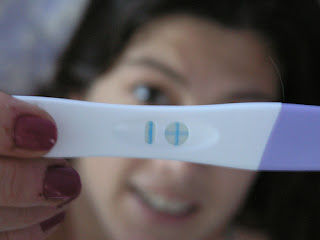
Thousands of women who take high doses of fertility drugs as part of IVF treatment may actually be harming their chances of ever having a baby, doctors are warning.
Increasing reliance on such powerful drugs could be preventing women from getting pregnant and damaging their eggs, new studies suggest.
A conference of fertility experts this month will call on the IVF industry to rethink its approach. They say hormones used to "kickstart" the ovaries could cause chromosomal damage to more than half of eggs, rendering them useless.
The treatments may also affect the womb lining, preventing embryos from implanting.
Read the article: telegraph.co.uk
Photo credit: Positive,
by Editor B / Bart Everson, on Flickr
Some rights reserved
TODAY'S BOOK SUGGESTION:


The Couple's Guide To In Vitro Fertilization: Everything You Need To Know To Maximize Your Chances Of Success
by Liza Charlesworth
-- Despite the fact that it is an expensive, complex, emotionally draining, and often last-ditch fertility treatment, there are now over 250,000 couples who consider in vitro fertilization (IVF) every year; more than 125,000 couples decide to undergo it.
While dry, clinical information is available, there is a gaping need for sisterly advice from someone who's been through the process herself.
From evaluating care and preparing for the complicated process to understanding egg retrieval and embryo transfer; from tips on taking medications and coping with hormonal surges to dealing with the emotional aspects of the grueling IVF process, Liza Charlesworth's The Couple's Guide to In Vitro Fertilization offers knowing, sensitive counsel.
Full of hard-won personal wisdom and the most up-to-date medical information explained in layman's terms, this invaluable guide is sure to become recommended reading for couples trying to conceive and their families alike.
Paperback: 312 pagesClick to order/for more info: The Couple's Guide To In Vitro Fertilization

In this week's Analytical Chemistry, scientists at Indiana University Bloomington report biochemical machinery that allows mouse sperm cells to follow the weakest of scents. Even when ovary extracts were diluted 100,000 times, some sperm cells still found their mark.
"Sperm are known to exhibit chemotaxis toward extracts from various female reproductive organs, but the role of chemotaxis in reproduction is not known," said IUB Associate Professor of Chemistry Stephen C. Jacobson. "The chemicals that actually attract sperm have not been identified. Systematic study of various compounds released by the female reproductive organs under various conditions might further our understanding of these processes."
Understanding why, how and when sperm are attracted to ovaries may help scientists understand problems with human conception.
"Defects in sperm chemotaxis may be a cause of infertility, and consequently, sperm chemotaxis could potentially be used as a diagnostic tool to determine sperm quality or as a therapeutic procedure in male infertility," Jacobson said.
The project is a collaboration between research groups led by Jacobson and IUB Distinguished Professor of Chemistry Milos V. Novotny. Their work led to the development of a "flow-through" device, a sort of liquid treadmill for sperm cells, which allows researchers to follow the lateral movement of sperm as the cells swim through a liquid medium.
The device feeds three streams of liquid into a single chamber. Beyond the chamber, flows are split into three exit streams. Flow rate can be regulated simply by raising or lowering the height of the source medium, in this case a buffer solution. The researchers affixed a microscope and camera to the device and then recorded video of the sperm during assays.
"We combined in a microfluidic device the ability to generate a chemical gradient with transporting sperm cells to evaluate sperm chemotaxis," Jacobson said. "The use of microfluidic devices appears to be an ideal approach for precisely controlling the chemical gradient and accurately tracking chemotactic events. This combination led to greater repeatability in the experimental conditions over the course of the assays, which is currently not possible with conventional assays. These results are an important first step toward having an easy-to-use platform to rapidly evaluate and quantify chemotaxis."
The researchers hope their device will help other scientists more accurately examine the chemotaxis of all types of cells. The method also eliminates the phenomenon of "trapping," which causes study results to become ambiguous.
"The ability to differentiate chemotaxis from trapping helps to determine whether sperm were attracted to the test substance or the swim velocity was reduced close to the test substance," Jacobson said. "In the latter case, the test substance may have had a negative influence on the sperm, resulting in suppression of their movement."
Novotny is the Lilly Chemistry Alumni Chair in the Indiana University Bloomington Department of Chemistry, where he also directs the Institute for Pheromone Research.
IUB scientists Sachiko Koyama and Dragos Amarie led the experiments and were assisted by Helena A. Soini. The study was supported by Indiana University and the Lilly Chemistry Alumni Chair Fund. Analytical Chemistry is a journal of the American Chemical Society.
"Chemotaxis Assays of Mouse Sperm on Microfluidic Devices," S. Koyama, D. Amarie, H.A. Soini, M.V. Novotny, S.C. Jacobson, Analytical Chemistry, vol. 78, no. 10, pp. 3354 -3359, 2006.
Source - Photo Credit: justcola on morguefile.com
TODAY'S BOOK SUGGESTION:

 The Sperm Meets Egg Plan: Getting Pregnant Faster
by Deanna Roy
-- The Sperm Meets Egg Plan is a step-by-step guide to achieving pregnancy without taking invasive tests, charting temperatures, or making mistakes in predicting your ovulation that result in mistimed attempts at fertilization.
Designed by Deanna Roy after months of trying made her believe she had a fertility problem, the plan will help you time intercourse whether you have a typical or atypical cycle.
It includes adjustments for common fertility problems, what to do if you are over forty, and considerations for trying again after a pregnancy loss.
This booklet includes 40 pages of instruction plus a 10-page sneak peek of Deanna's book Baby Dust. It should be a free download.
This FREE booklet is a THANK YOU to all the women who have supported Deanna's web site since the loss of her first baby in 1998.
Start reading The Sperm Meets Egg Plan on your Kindle in under a minute!Don't have a Kindle? Get your Kindle here, or download a FREE Kindle Reading App.
Popular Posts
-
 Menopause is the time in a woman's life when her reproductive system shuts down and her reproducing days are over... or are they? For s...
-
 A Zen thought ... A true expert is not the one with the most knowledge, but one who causes the most others to have knowledge. Questions, ...
-
 Photo credit: © Barbara Helgason / Fotolia - All rights reserved ScienceDaily (July 26, 2012) — A compelling new genetic study tracing ...
-
 Found this post by Ally (Ocelot Cub) on FertilityFriends.co.uk : Ally wrote: I have collected a number of success stories from ladies w...
-
 In the last 10 years a plethora of scientific studies have been released on flaxseed and its amazing oil, known as alpha-linolenic acid (LNA...
-
 Fertility Supplement Bundle Our diet is one of the most important factors when it comes to trying to have a baby. Making sure we watch...


Recent Comments