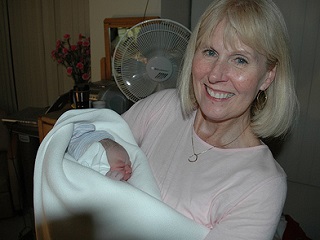
There is no stopping the biological clock, as the birth rate shows.
In 1999, there were 622,000 babies born in England and Wales.
The most productive group, surprisingly, was the women aged 30-34: they had 185,300 babies.
By the time women reached 40-44 years old, they produced 13,600 specimens, and at 45-plus, 635 gave birth.
In fact, nearly 300,000 women over 30 had babies, a cheering thought, until you think of the nappies.
But the figures leave much in the dark. How many 40-plus women are still trying, how many are still using contraceptives, how many are already infertile?
Looking back can cast some light. In 1938, the number of women having babies in the 30-34 age group was actually smaller than today, even though the birth rate was roughly the same.
Madonna and Cherie wouldn't have even made a paragraph then when 25,000 women in the 40-44 age group gave birth - almost double current levels - and 2,200 babies were born to women over 45. That's almost four times as many as now.
Clearly, choice, as well as biology, plays an important part - the really sharp decline in the birth rate for 35-plus women came in the 1970s, when it halved, coinciding with easier access to the Pill and abortion.
So, by when should you have your fertility tested? Unfortunately, exactly at what rate fertility declines is impossible to say. Nobody has measured the number of women trying to get pregnant at 40, say, and studied how successful they are.
To state, as one Sunday broadsheet report of the American campaign did, that the rate of conception drops to a mere 2% at 40 is very bleak and misleading.
No one can deny that you may have to wait longer to get pregnant once you are in your mid- to late-thirties, or that you may fail.
As someone who did have a baby at the drop of a hat at 40, and another, albeit after three miscarriages, at 46 years old, my advice is this: next time you see a shock-horror headline about older mothers, just turn the page.
TODAY'S BOOK SUGGESTION:
| Grade A Baby Eggs |
by Victoria Hopewell
-- Victoria Hopewell was a forty-something divorced clinical psychologist when she met and married a longtime bachelor whose ninety-year-old parents were anxiously waiting for a grandchild.
The problem was, even though Victoria had two young daughters from a previous marriage, her intense desire to create a baby with her new husband was thwarted by her own body.
Her eggs were aging faster than her healthy hormones and youthful appearance would suppose.
Desperate to bear a child, willing to undergo every procedure from Lupron shots through egg harvesting and in vitro fertilization (IVF), she is blocked at every corner of medical protocol from achieving her dream of a successful pregnancy.
Finally, she journeys toward acceptance of using a donor egg, much to the dismay of her growing daughters.
But no eggs are available, and she is placed on a lengthy hospital wait-list. Victoria and her husband then embark on a surrealistic egg hunt to find their own donor.
Follow her insider's account of the hidden world of egg donation-where women's eggs are bought and sold over the internet and a beautiful model with high SATs and a prior successful donation commands the highest prices.
📚 Paperback: 214 pages
Click to order/for more info: Grade A Baby Eggs
📚 Start reading Grade A Baby Eggs on your Kindle in under a minute!
📚 Don't have a Kindle? Get your Kindle here, or download a FREE Kindle Reading App.

 |
| Fertility Supplement Bundle |
However, even if you have been the type of person who has always remained fit and health and watched what you ate, you may still have problems trying to conceive. This is because the human body can play tricks with us.
So, making sure that you create the most fertile environment possible is your number 1 aim if you are trying to have a baby.
One way that you can use to maximize the chances you have of having a baby is to make sure you use natural fertility treatment supplements when you are trying to get pregnant. Each type of natural fertility treatment supplement will vary depending on whether it is the man taking the natural fertility treatment supplement or the woman.
 |
| Conception Men Fertility Vitamins |
Men
Typically good natural fertility treatment supplements for men include Vitamin A, Vitamin B, Potassium, Zinc, and Selenium. Of particular importance to helping in the male fertility treatment are:Vitamin B5 and Zinc are needed in order for the testes to be healthy and to encourage a high sperm count. It should also be noted that if you have a zinc deficiency this can lead to low levels of testosterone and chromosomal abnormalities in the sperm.
Vitamin B12 and Potassium are needed to help the male sperm mobility.
Selenium is needed to help produce male sperm. A lack of selenium levels in the body is one of the most common reasons why males have low sperm counts.
 |
| Conception Fertility Vitamins |
Women
Unlike males, nearly all natural fertility treatment supplements are of importance and have some form of role to play. Nonetheless, of particular importance are:Vitamin A – as this helps keep the Fallopian tubes healthy.
Vitamin B – as a lack of Vitamin B levels may result in a miscarriage following pregnancy.
Calcium – as this produces fertile mucus in the vagina
Magnesium – as a lack of magnesium levels will result in probable problems with the Fallopian tubes
Zinc – which happens to be one of the most important natural fertility health supplements.
The wonderful additional aspect of taking natural fertility supplements is that not only do they help you to achieve your primary aim of conceiving a child, but they also help to give you extra zest and energy. As such, if you continue to take the correct natural supplements after you have conceived you'll find the normal problems associated with being pregnant, such a fatigue and general tiredness, far less worrisome.
 |
| Couple's Fertility Combo |
As far as how you take these natural fertility substances, you can either digest these as vitamin supplement pills or as part of your regular diet. It's not so much the manner of the consumption, provided you know that the body is getting what it needs in order to maximize your chances of conceiving a child.
Author: Melvin Ng
TODAY'S BOOK SUGGESTION:
by Karen Daniels
--
A breakthrough revolutionary plan for getting pregnant fast, solving common fertility problems and having a healthy baby – this is NOT your average book on getting pregnant!
Renowned fertility expert Dr. Niels Lauersen and women's wellness expert Colette Bouchez help readers take charge of their fertility with a revolutionary new self-help plan designed to show couples how to work together to boost their conception odds, plan for a healthy pregnancy, and get pregnant faster – all without the use of expensive fertility treatments or medications.
Based on scientific research and tested on thousands of couples Eat-Love- GET PREGNANT is a simple yet revolutionary plan that provides the quintessential
missing linkabsent from most other fertility programs – namely, the importance of not only boosting both male and female fertility simultaneously but bold new evidence showing how, when couples work together in certain special and unique ways, they can create a unified
fertility power booststrong enough to take them from infertile to fertile in as little as three months
📚 Paperback: 116 pages
Click to order/for more info: Eat, Love, Get Pregnant
📚 Start reading Eat, Love, Get Pregnant on your Kindle in under a minute!
📚 Don't have a Kindle? Get your Kindle here, or download a FREE Kindle Reading App.
 |
 |
A simple way of establishing on which days in a woman's menstrual cycle she is fertile has been identified by US and Italian fertility experts, according to research published in Europe's leading reproductive medicine journal, Human Reproduction,* today.
Analyzing cervical secretion and time to pregnancy data obtained from a large multinational European database – the European Study of Daily Fecund-ability - they were able to demonstrate that intercourse is unlikely to result in a conception if vaginal dampness is not noticeable on that day or the day before.
All a woman has to do is to notice when she has any vaginal dampness, not associated with menstruation, intercourse or disease. Women wishing to avoid pregnancy should avoid unprotected intercourse unless they have not had vaginal dampness for 2 days.
 |
The TwoDay method differs from other symptom-based natural family planning methods in that it is not necessary to keep detailed records of cervical mucus characteristics and basal body temperature. This simple algorithm may outperform expensive urinary kits, which can miss the majority of the fertile interval that occurs one or more days prior to ovulation.
Dr David Dunson of the Biostatistics Branch of the National Institute of Environmental Health Sciences in North Carolina said:
This method is effective, both in identifying the fertile days of the cycle and in predicting days within that fertile interval that have a high pregnancy rate. It's the first direct evidence that cervical secretions are associated with higher fecund-ability within the fertile window.
For couples of normal fertility having intercourse two days prior to ovulation on the most fertile day of the cycle, the probability of pregnancy is essentially doubled from 0.18 (18%) if secretions have not been noticed in the last two days to 0.33 (one third) if secretions have been noticed. A normal couple who abstains from intercourse during the days classified as fertile by our system would have around an 8% chance of becoming pregnant within a year of frequent intercourse – compared with a 97% chance for a couple not following our system.
*The relationship between cervical secretions and the daily probabilities of pregnancy: effectiveness of the TwoDay Algorithm. Human Reproduction Vol. 16. No. 11. pp 2278-2282. D.B. Dunson, I.Sinai, B Columbo. Biostatistics Branch, National Institute of Environmental Health Sciences, North Carolina; Institute for Reproductive Health, Georgetown University, Washington DC, Department of Statistics, University of Padua.
This story has been adapted from a news release issued by European Society For Human Reproduction And Embryology.
Source: TwoDay Method | Institute of Reproductive Health
TwoDay Method: Top 15 Most Frequently Asked Questions
TwoDay Method Provider Screening Checklist: ENGLISH | SPANISH
TwoDay Method Client Brochure: ENGLISH | SPANISH
TwoDay Method Client Recording Card: ENGLISH | SPANISH
TODAY'S BOOK SUGGESTION:
 |
| What Every Woman Should Know |
by Cara Birrittieri
-- Until now, there has been little practical advice on what women can do about ticking biological clocks.
What Every Woman Should Know About Her Biological Clock is the first book to explore a woman's reproductive lifespan completely, from beginning to end.
Based on Cara Birrittieri's own experience of running up against a slowing biological clock, she shows women for the first time how to
tell what time it iswith a simple blood test that gives them a peek at the state of their ovaries.
📚 Paperback: 224 pages
Click to order/for more info: What Every Woman Should Know About Fertility and Her Biological Clock

Infertility affects more than 6 million people in the United States alone, or 1 out of every 6 couples, according to Lafayette-based Conceptions Reproductive Associates of Colorado.
And despite a common fallacy -- it's a woman's problem -- fertility difficulties are equally as likely to be caused by male difficulties. It is a combined issue in about 20 percent of infertility cases, Conceptions says.
For women, it is most commonly a problem with ovulation, according to Robyn Curtis, with the Colorado Center for Reproductive Medicine, which has a Louisville office.
For men, it is mostly sperm health or motility,Curtis says.
But there are so many other influencing factors - dealing with a difficult conception can feel like a guessing game, says McGinnis, the new Boulder mom. That's why she recommends getting professional help after one year of trying -- and sticking to research-proven advice such as staying away from cigarettes and minimizing stress.
We've solicited the expertise of a spectrum of experts: a local acupuncturist, nutritionist-dietitians, reproductive endocrinologist-ObGyn, reproductive clinic, physician, Chinese herbal medicine practitioner, and the American Society of Reproductive Medicine, as well as the results from some studies and a nontraditional pharmacy.
Here's their take on some wives' tales -- and some truths.
Enhancing fertility
Drink raspberry leaf tea. FALSE.-- This tea may promote uterine health after you're pregnant, but does nothing for fertility. (Pharmaca Integrative Pharmacy)
Have sex during a full moon. FALSE.
-- Menstrual cycles can coincide with the phases of the moon, but it doesn't matter if the moon's full if you're not ovulating. (Pharmaca)
Eat organic foods and drink purified water; eat alkaline foods.
DEPENDS on whom you ask.
-- Acupuncturist Amy Dickinson says pesticides and herbicides in non-organic food can harm a woman's eggs, and food chemicals and additives often have estrogen-like substances that can throw the hormonal balance off.
Dickinson recommends alkaline foods, such as vegetables, non-citrus fruits, sprouts, and wheat grass. Acidic foods, such as sugar, dairy, and grains, can create an acidic cervical pH, which sperm don't like, she says. Plus, she says fruits and vegetables contain bioflavonoids, which help create healthy blood vessels that can help prevent miscarriage and prepare the uterus for implantation.
Physician Robert Gustofson, with the Colorado Center for Reproductive Medicine at the Avista Hospital, says no food types have been shown to improve pregnancy probability. He says they won't harm your chances, however.
Be at a healthy body weight. TRUE.
-- Being overweight or underweight can have adverse effects.
Get acupuncture. TRUE.
-- Acupuncture increases the chances of implantation and increases blood circulation to the uterus. (Journal of Fertility and Sterility, 2003)
Adopt. FALSE.
-- Everyone knows someone who had adopted a child and then gotten pregnant, but research has not shown a connection.
Dream you are pregnant. FALSE.
-- Dreams are unrelated to fertility. (Gustofson)
Relax. TRUE.
-- Stress is a fertility killer. You need progesterone for pregnancy. When a body is stressed, it redirects to produce the stress hormone, cortisol, instead of creating progesterone. (Boulder acupuncturist Amy Dickinson)
Have sex 14 days after your period. FALSE.
-- Not every woman has a 28-day menstrual cycle with ovulation in the middle.
Have sex in a certain position. FALSE.
(Colorado Center for Reproductive Medicine)
Be well rested. TRUE.
-- This helps combat stress. (Conceptions Reproductive Associates of Colorado)
You have sex in a swimming pool. FALSE.
-- The chlorine will not kill all sperm. (Julie McGinnis, Boulder nutritionist, dietitian, and herbalist)
You douche after sex. FALSE.
-- There is no evidence douching will prevent pregnancy, even if you use certain essential oils or other liquids. (McGinnis)
You have sex while on your period. MAYBE.
-- The chances of ovulating while on your period are smaller, but you can still get pregnant.
The man was kicked hard in the groin while playing a sport. FALSE.
-- It's very unlikely a single traumatic event will result in sterility. The male system is pretty hardy. (Conceptions)
The woman is older than 35. FALSE.
-- In general, the chance of getting pregnant in one year is about 90 percent until age 34. It drops to 67 percent by age 40, and after age 45, it declines to 15 percent. (American Society of Reproductive Medicine) However, fertility varies with every woman.
The man is older than 35. FALSE.
-- Growing evidence suggests age may be a factor eventually, but the number and quality of sperm doesn't decline until after age 64. (American Society of Reproductive Medicine)
You're stressed. TRUE.
-- Stress can reduce sperm count and stop ovulation. (American Society of Reproductive Medicine and Conceptions)
You took birth control pills. FALSE.
-- A few months after you stop taking the pill, your body should be back to normal. (Conceptions)
Your mom took birth control pills. FALSE.
-- (Colorado Center for Reproductive Medicine)
You've already had one child. FALSE.
-- (Conceptions)
You had a C-section. FALSE.
-- Not unless it was complicated by something affecting the Fallopian tubes. (Conceptions)
You are breastfeeding. MAYBE.
-- It can decrease ovulatory function but doesn't stop it. It depends on the woman. (Conceptions)
You haven't re-started your period after childbirth. FALSE.
-- You can ovulate and not have your period first. (Conceptions)
You have diabetes. TRUE.
-- Good glycemic control prior to conception can decrease birth defects. And women with pre-diabetes glucose intolerance can have disrupted ovulation. (Conceptions)
You have had a heart attack or liver or kidney failure. TRUE.
-- Significant, life-threatening medical conditions may decrease the chance of pregnancy until treated or resolved. (Gustofson)
If the man masturbates a lot. TRUE.
-- Masturbation can temporarily lower sperm count. It cannot make you sterile. (McGinnis)
You have anal sex. TRUE.
-- Anal sperm deposition does not fertilize an egg in the uterus. (Gustofson)
The man spends a lot of time in saunas or hot tubs. TRUE.
-- Overheating may temporarily reduce sperm count. (Colorado Center for Reproductive Medicine)
The guy wears tight underwear. TRUE.
-- This can increase the temperature of the testes. (Colorado Center for Reproductive Medicine)
The man smokes cigarettes or marijuana. TRUE.
-- Smoking can reduce sperm count. (Infertility.about.com)
You drink alcohol. TRUE.
-- Excessive alcohol can damage sperm and eggs. (Infertility.about.com) More than two drinks a day can suppress hormones. Plus, the byproduct of alcohol is a toxin, and if it goes to the uterus, it doesn't enhance pregnancy rates. (Conceptions)
You drink a lot of caffeine. TRUE.
-- (Conceptions)
The man uses steroids. TRUE.
-- Steroids can severely impair sperm production. (American Society of Reproductive Medicine)
The man consumes too much vitamin C (more than 1,000 mg). FALSE.
-- Vitamin C will be urinated out if not absorbed. It does not necessarily acidify the semen or kill sperm. (Gustofson)
You unnecessarily take over-the-counter drugs, including ibuprofen. TRUE.
-- Ibuprofen can inhibit prostaglandins and inhibit ovulation. (Dickinson)
The woman has an iron deficiency. TRUE,
-- Acupuncturist Amy Dickinson says pesticides and herbicides in non-organic food can harm a woman's eggs, and food chemicals and additives often have estrogen-like substances that can throw the hormonal balance off.
Dickinson recommends alkaline foods, such as vegetables, non-citrus fruits, sprouts, and wheat grass. Acidic foods, such as sugar, dairy, and grains, can create an acidic cervical pH, which sperm don't like, she says. Plus, she says fruits and vegetables contain bioflavonoids, which help create healthy blood vessels that can help prevent miscarriage and prepare the uterus for implantation.
Physician Robert Gustofson, with the Colorado Center for Reproductive Medicine at the Avista Hospital, says no food types have been shown to improve pregnancy probability. He says they won't harm your chances, however.
Be at a healthy body weight. TRUE.
-- Being overweight or underweight can have adverse effects.
Get acupuncture. TRUE.
-- Acupuncture increases the chances of implantation and increases blood circulation to the uterus. (Journal of Fertility and Sterility, 2003)
Adopt. FALSE.
-- Everyone knows someone who had adopted a child and then gotten pregnant, but research has not shown a connection.
Dream you are pregnant. FALSE.
-- Dreams are unrelated to fertility. (Gustofson)
Relax. TRUE.
-- Stress is a fertility killer. You need progesterone for pregnancy. When a body is stressed, it redirects to produce the stress hormone, cortisol, instead of creating progesterone. (Boulder acupuncturist Amy Dickinson)
Have sex 14 days after your period. FALSE.
-- Not every woman has a 28-day menstrual cycle with ovulation in the middle.
Have sex in a certain position. FALSE.
(Colorado Center for Reproductive Medicine)
Be well rested. TRUE.
-- This helps combat stress. (Conceptions Reproductive Associates of Colorado)
Diminishing fertility
You may adversely affect conception if:You have sex in a swimming pool. FALSE.
-- The chlorine will not kill all sperm. (Julie McGinnis, Boulder nutritionist, dietitian, and herbalist)
You douche after sex. FALSE.
-- There is no evidence douching will prevent pregnancy, even if you use certain essential oils or other liquids. (McGinnis)
You have sex while on your period. MAYBE.
-- The chances of ovulating while on your period are smaller, but you can still get pregnant.
The man was kicked hard in the groin while playing a sport. FALSE.
-- It's very unlikely a single traumatic event will result in sterility. The male system is pretty hardy. (Conceptions)
The woman is older than 35. FALSE.
-- In general, the chance of getting pregnant in one year is about 90 percent until age 34. It drops to 67 percent by age 40, and after age 45, it declines to 15 percent. (American Society of Reproductive Medicine) However, fertility varies with every woman.
The man is older than 35. FALSE.
-- Growing evidence suggests age may be a factor eventually, but the number and quality of sperm doesn't decline until after age 64. (American Society of Reproductive Medicine)
You're stressed. TRUE.
-- Stress can reduce sperm count and stop ovulation. (American Society of Reproductive Medicine and Conceptions)
You took birth control pills. FALSE.
-- A few months after you stop taking the pill, your body should be back to normal. (Conceptions)
Your mom took birth control pills. FALSE.
-- (Colorado Center for Reproductive Medicine)
You've already had one child. FALSE.
-- (Conceptions)
You had a C-section. FALSE.
-- Not unless it was complicated by something affecting the Fallopian tubes. (Conceptions)
You are breastfeeding. MAYBE.
-- It can decrease ovulatory function but doesn't stop it. It depends on the woman. (Conceptions)
You haven't re-started your period after childbirth. FALSE.
-- You can ovulate and not have your period first. (Conceptions)
You have diabetes. TRUE.
-- Good glycemic control prior to conception can decrease birth defects. And women with pre-diabetes glucose intolerance can have disrupted ovulation. (Conceptions)
You have had a heart attack or liver or kidney failure. TRUE.
-- Significant, life-threatening medical conditions may decrease the chance of pregnancy until treated or resolved. (Gustofson)
If the man masturbates a lot. TRUE.
-- Masturbation can temporarily lower sperm count. It cannot make you sterile. (McGinnis)
You have anal sex. TRUE.
-- Anal sperm deposition does not fertilize an egg in the uterus. (Gustofson)
The man spends a lot of time in saunas or hot tubs. TRUE.
-- Overheating may temporarily reduce sperm count. (Colorado Center for Reproductive Medicine)
The guy wears tight underwear. TRUE.
-- This can increase the temperature of the testes. (Colorado Center for Reproductive Medicine)
The man smokes cigarettes or marijuana. TRUE.
-- Smoking can reduce sperm count. (Infertility.about.com)
You drink alcohol. TRUE.
-- Excessive alcohol can damage sperm and eggs. (Infertility.about.com) More than two drinks a day can suppress hormones. Plus, the byproduct of alcohol is a toxin, and if it goes to the uterus, it doesn't enhance pregnancy rates. (Conceptions)
You drink a lot of caffeine. TRUE.
-- (Conceptions)
The man uses steroids. TRUE.
-- Steroids can severely impair sperm production. (American Society of Reproductive Medicine)
The man consumes too much vitamin C (more than 1,000 mg). FALSE.
-- Vitamin C will be urinated out if not absorbed. It does not necessarily acidify the semen or kill sperm. (Gustofson)
You unnecessarily take over-the-counter drugs, including ibuprofen. TRUE.
-- Ibuprofen can inhibit prostaglandins and inhibit ovulation. (Dickinson)
The woman has an iron deficiency. TRUE,
at least for people with chronic anemia.
-- It can affect ovulation. (Conceptions)
Eating soy, which contains plant-based estrogens. FALSE.
-- There is no research showing a high-soy diet creates infertility. (American Society of Reproductive Medicine)
Using a cell phone. MAYBE.
-- One study by The Cleveland Clinic found men who used cell phones the most had poorer sperm quality than men who used them the least, but more research is needed.
You have an eating disorder. TRUE.
-- Too-low body fat levels can stop the reproductive process. (American Society of Reproductive Medicine)
You are a hard-core athlete. TRUE.
-- Low body fat can mean irregular periods. (American Society of Reproductive Medicine)
The man is an avid cyclist. TRUE.
-- For men, pressure from the bicycle seat can damage blood vessels and nerves. Mountain biking shocks the perineum and can injure the scrotum. One study found mountain biker men were more likely to have twisted veins in the scrotum, cysts or calcium deposits. (American Society of Reproductive Medicine)
You have a sexually transmitted infection. DEPENDS.
-- Chlamydia or gonorrhea are associated with male and female infertility. (American Society of Reproductive Medicine) HPV (human papillomavirus) typically is not, unless it is linked to cancer and the woman must have her cervix operated on. Herpes does not affect fertility. (Conceptions)
The woman has endometriosis. TRUE.
-- (American Society of Reproductive Medicine)
The woman has thyroid problems. MAYBE
-- Too much or too little thyroid hormone can interrupt ovulation. (Conceptions)
The man has retrograde orgasms (sperm deposition in the bladder). TRUE AND FALSE.
-- It will be more difficult to conceive, but it not impossible. (Gustofson)
You were exposed to harmful chemicals. TRUE.
-- Some chemicals can hurt sperm or eggs or cause birth defects. (McGinnis)
You go under an anesthetic at the dentist's office. FALSE.
-- (Conceptions)
You've had radiation treatment. TRUE.
-- Cells exposed to significant levels of radiation may take up to two years to resume normal sperm production or, in severe cases, may never recover. (American Society of Reproductive Medicine)
You're exposed to some kinds of plastics and rubber or pesticides.
-- It can affect ovulation. (Conceptions)
Eating soy, which contains plant-based estrogens. FALSE.
-- There is no research showing a high-soy diet creates infertility. (American Society of Reproductive Medicine)
Using a cell phone. MAYBE.
-- One study by The Cleveland Clinic found men who used cell phones the most had poorer sperm quality than men who used them the least, but more research is needed.
You have an eating disorder. TRUE.
-- Too-low body fat levels can stop the reproductive process. (American Society of Reproductive Medicine)
You are a hard-core athlete. TRUE.
-- Low body fat can mean irregular periods. (American Society of Reproductive Medicine)
The man is an avid cyclist. TRUE.
-- For men, pressure from the bicycle seat can damage blood vessels and nerves. Mountain biking shocks the perineum and can injure the scrotum. One study found mountain biker men were more likely to have twisted veins in the scrotum, cysts or calcium deposits. (American Society of Reproductive Medicine)
You have a sexually transmitted infection. DEPENDS.
-- Chlamydia or gonorrhea are associated with male and female infertility. (American Society of Reproductive Medicine) HPV (human papillomavirus) typically is not, unless it is linked to cancer and the woman must have her cervix operated on. Herpes does not affect fertility. (Conceptions)
The woman has endometriosis. TRUE.
-- (American Society of Reproductive Medicine)
The woman has thyroid problems. MAYBE
-- Too much or too little thyroid hormone can interrupt ovulation. (Conceptions)
The man has retrograde orgasms (sperm deposition in the bladder). TRUE AND FALSE.
-- It will be more difficult to conceive, but it not impossible. (Gustofson)
You were exposed to harmful chemicals. TRUE.
-- Some chemicals can hurt sperm or eggs or cause birth defects. (McGinnis)
You go under an anesthetic at the dentist's office. FALSE.
-- (Conceptions)
You've had radiation treatment. TRUE.
-- Cells exposed to significant levels of radiation may take up to two years to resume normal sperm production or, in severe cases, may never recover. (American Society of Reproductive Medicine)
You're exposed to some kinds of plastics and rubber or pesticides.
DEPENDS on whom you ask.
-- McGinnis says some plastics contain materials can disrupt hormones. (McGinnis)
Gustofson says large amounts of pesticide ingestion may cause infertility, but minimal exposure will not cause harm. He says plastics and rubber do not cause infertility.
You use petroleum-based lubricants, including spermicides, oils or Vaseline. TRUE.
-- Astroglide, Replens, mineral oil or all-natural lubricants may not be as harmful to sperm. (American Society of Reproductive Medicine)
Read more: Misconceptions about conception
Eat, Love, Get Pregnant: A Couple's Guide To Boosting Fertility and Having A Healthy Baby
by Karen Daniels
--
Renowned fertility expert Dr. Niels Lauersen and women's wellness expert Colette Bouchez help readers take charge of their fertility with a revolutionary new self-help plan designed to show couples how to work together to boost their conception odds, plan for a healthy pregnancy, and get pregnant faster – all without the use of expensive fertility treatments or medications.
Based on scientific research and tested on thousands of couples Eat-Love- GET PREGNANT is a simple yet revolutionary plan that provides the quintessential
📚 Paperback: 116 pages
Click to order/for more info: Eat, Love, Get Pregnant
📚 Start reading Eat, Love, Get Pregnant on your Kindle in under a minute!
📚 Don't have a Kindle? Get your Kindle here, or download a FREE Kindle Reading App.
-- McGinnis says some plastics contain materials can disrupt hormones. (McGinnis)
Gustofson says large amounts of pesticide ingestion may cause infertility, but minimal exposure will not cause harm. He says plastics and rubber do not cause infertility.
You use petroleum-based lubricants, including spermicides, oils or Vaseline. TRUE.
-- Astroglide, Replens, mineral oil or all-natural lubricants may not be as harmful to sperm. (American Society of Reproductive Medicine)
Read more: Misconceptions about conception
TODAY'S BOOK SUGGESTION:
by Karen Daniels
--
A breakthrough revolutionary plan for getting pregnant fast, solving common fertility problems and having a healthy baby – this is NOT your average book on getting pregnant!
Renowned fertility expert Dr. Niels Lauersen and women's wellness expert Colette Bouchez help readers take charge of their fertility with a revolutionary new self-help plan designed to show couples how to work together to boost their conception odds, plan for a healthy pregnancy, and get pregnant faster – all without the use of expensive fertility treatments or medications.
Based on scientific research and tested on thousands of couples Eat-Love- GET PREGNANT is a simple yet revolutionary plan that provides the quintessential
missing linkabsent from most other fertility programs – namely, the importance of not only boosting both male and female fertility simultaneously but bold new evidence showing how, when couples work together in certain special and unique ways, they can create a unified
fertility power booststrong enough to take them from infertile to fertile in as little as three months
📚 Paperback: 116 pages
Click to order/for more info: Eat, Love, Get Pregnant
📚 Start reading Eat, Love, Get Pregnant on your Kindle in under a minute!
📚 Don't have a Kindle? Get your Kindle here, or download a FREE Kindle Reading App.

Research has shown up to a third of couples struggle to conceive - so what can people do to increase their fertility?
Nutritionist Yvonne Bishop-Weston gives her advice on the best foods to help to make you fertile.
1. Eat organic - We don't yet know what the impact may be of untested combinations of pesticides and food additives on fertility.
2. Go up-to-8-a-day - Five handfuls of veg and three pieces of fruit a day in a variety of colors such as red, purple, orange and dark green help to top up antioxidant levels which may help protect the genetic material in the egg and sperm.
3. Phytoestrogens for hormone balance - These plant-based hormone balancers help to prevent imbalances between estrogen and progesterone which may lead to fertility problems and early miscarriage.
4. Cut out the fertility hinderers - Two of the most important things to remove from your diet are alcohol and caffeine.
5. Get prepared - It's also a good idea to reduce the foods and drinks you can't eat during pregnancy before you fall pregnant so you are fully prepared and don't need to worry if you had something early on which is better avoided.
6. Essential fats - These fats support male and female fertility and hormonal balance and also help the baby's brain, nervous system and eyes to develop once pregnant.
7. Algae - Algae is a true super-food as it contains a vast array of nutrients, essential fats and amino acids in a totally natural and easy to absorb form.
Read more: Foods that make you fertile
TODAY'S BOOK SUGGESTION:
 |
by Tami Quinn and Beth Heller
-- Women who are trying to conceive will find a holistic approach in this hands-on manual.
Step-by-step guidelines help implement a three-part program — of yoga, hypoallergenic and anti-inflammatory nutrition, and stress-reduction techniques — to cleanse the body, mind, and spirit in preparation for pregnancy.
In addition, this program draws on cleansing methods from traditional Chinese medicine and Ayurveda and has been specifically designed for women who are trying naturally or with assisted-reproduction plans.
Also based on new clinical research that suggests that gut health, chronic inflammation, and environmental toxins may be root causes of infertility, this important book offers all women a natural, holistic approach to readying the womb for a child.
📚 Paperback: 192 pages
Click to order/for more info: The Infertility Cleanse
📚 Start reading The Infertility Cleanse on your Kindle in under a minute!
📚 Don't have a Kindle? Get your Kindle here, or download a FREE Kindle Reading App.
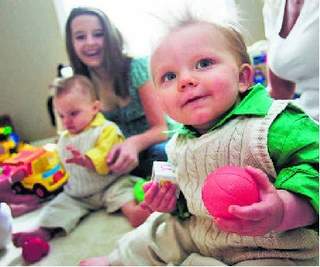
In her early 40s, Deborah Walker still had hopes of becoming a mom.
Like many of her peers, she'd chosen to first focus on her career and then on children. The Hermitage, Tenn., woman had already suffered a pregnancy loss. But four days before moving from New York to Nashville to join her husband, she found herself pregnant.
At the age of 42, she gave birth to little Madeline.
You have a rich life tapestry to wrap around your child,says Walker, now 45.
I love that I'm an older mom. I wasn't ready before; I wasn't the person I wanted to be to be a mother. I am now.
This is the age of the older mom. But fertility favors the young, raising the question of, biologically, how old is too old to have a baby.
When a woman reaches her late 30s and her 40s, the possibility of conceiving naturally -- or conceiving at all -- is a door slowly swinging shut.
Plus, there are higher risks of pregnancy loss and genetic issues that accompany pregnancy at an older age.
Beyond that, there are ramifications to consider, such as simultaneously funding college tuition and retirement. But many women feel there are inherent rewards in waiting those extra years.
Many women in their 40s have had a chance to figure out who they are,says Dr. Cornelia Graves, medical director of Baptist Hospital's perinatal and obstetrics program in Nashville.
That's really important because when you're in your 20s, sometimes you have children because it's the expected thing to do. Whereas women in their 40s, this is what they've elected to do.
The risks of conceiving
Fertility drops off sharply in a woman's late 30s. But women can still conceive naturally up until around age 50, Graves says.
But biologically, the best time for having a baby is between the ages of 22 and 32, she says.
If you're trying to get pregnant in your late 30s or early 40s, the literature says you should try for a yearbefore seeking help, Graves says.
I say three to six months because your time is much more limited.
A woman's fertility is highest and the possibility of complications lower, earlier on. Women are born with a finite number of eggs. Not only do those eggs wane in number as a woman ages, but they've weathered more. When you're 40, your eggs are 40.
That's why the possibility of genetic irregularities such as Down syndrome, a chromosomal disorder, grows as a woman gets older.
Fertility starts to slide in a woman's 30s, says Dr. Gloria Richard-Davis, chairwoman of obstetrics and gynecology at Meharry Medical College in Nashville. By age 40, the decline becomes even more drastic.
For all those reasons, the American Society for Reproductive Medicine encourages women to have all their kids by age 37, she says.
Obviously, that's not realistic for many women and the type of lifestyle we have now,Richard-Davis adds.
Women are getting married later and having children later. It doesn't mean if you're over 40, you can't get pregnant, but the probability dramatically declines.
However, Hollywood has provided some recent examples of older moms.
Oscar-winning actress Halle Berry had her daughter in March at age 41. Nicole Kidman, who's 40 and married to country music singer Keith Urban, is expecting her first biological child in July. (Kidman has two adopted children with former husband Tom Cruise.)
Why women wait
Age-related infertility is increasingly more common. One in five women wait until they're older than 35 to start their families, reports the American Society for Reproductive Medicine.
ASRM attributes the trend to several factors: the availability of contraception and the high divorce rate, coupled with more women in the workforce, women marrying at an older age and married couples waiting to be financially secure before starting their families.
Add to this mix that many women simply just don't realize fertility begins to wane in their late 20s.
Then there are the added complications of raising a child at a later age.
Vikki Adkins of Mt. Juliet, Tenn., got married at age 33. She had her first child when she was 39 and her second at 41. Adkins considers herself a high-energy person, but keeping up with a 6-year-old girl and an 8-year-old boy can still be tough.
She worries about the future, funding her children's college educations and her own retirement. Not to mention adolescence and menopause will probably make concurrent appearances.
I am 48 now and lucky I have my children,Adkins says,
but I think it is harder than when you are in your 20s and early 30s.
Not that there aren't advantages, too, to have children later in life. Many moms feel their age is an asset, giving them patience they lacked before. Medical professionals also notice the difference.
I think you've kind of learned to roll with the punches of life, so you don't fixate on every little thing,says Baptist's Graves.
TODAY'S BOOK SUGGESTION:
 |
Ten Ancient Chinese Secrets to Tap into a Woman's Creative Potential
by Randine Lewis
Being fertile and fruitful can mean giving birth to a child -- but to have a fertile soul means to give birth to the true self a woman wants to be: to live a life filled with passion, strength, joy, and adventure.
In The Way of the Fertile Soul, Dr. Randine Lewis outlines ten ancient Chinese medical and Taoist
secretsthat hold the little-known key to successfully conceiving babies, new dreams, and fulfilling life for women at any phase in their lives.
The Way of the Fertile Soul encourages women to strive toward health, abundance, and a fruitful, joyous approach to life.
By using diagnostic questionnaires, qigong exercises, and guided meditations to help the reader understand how the elements of nature express themselves in her body, mind, and spirit, The Way of the Fertile Soul provides the tools to greatly increase a woman's chance of conceiving, identify imbalances, reduce stress, increase energy, and uncover her intrinsic creativity and express it fully.
📚 Paperback: 240 pages
Click to order/for more info: The Way of the Fertile Soul
📚 Start reading The Way of the Fertile Soul on your Kindle in under a minute!
📚 Don't have a Kindle? Get your Kindle here, or download a FREE Kindle Reading App.

Garden Acupuncture in Park Slope, Brooklyn has been creating and producing informational videos over the past year explaining Traditional Chinese Medicine (TCM).
The latest of the videos explains the importance of women keeping track of their Basal Body Temperature, BBT, throughout their menstrual cycle. This is paramount information for individuals trying to conceive because it shows their most fertile days of the month.
Information learned from a basal body temperature chart:
1. When ovulation occurs.
2. The most fertile days of the month.
3. Length of the two phases of the cycle.
4. Possible irregularities.
5. If acupuncture, herbal therapy or another form of intervention could be beneficial.
In the video, Alexander Goldberg LAc, Dipl OM, a fertility specialist, gives an easy description of how to take your temperature to get accurate results. This resting body temperature is an indication of hormone levels and processes that are occurring in the body. So, keeping track of this will give provide a clear picture of your fertility health.
Dr. Goldberg has studied directly under Dr. Randine Lews, Ph.D. author of
The Infertility Cure,and
The Way of the Fertile Soul.Dr. Lewis is a well-recognized authority in the field of fertility medicine and Alex is the only practitioner in Brooklyn, NY who has the esteemed privilege to study with her.
Garden Acupuncture is a family-run, small business in the heart of Park Slope. They pride themselves on individualized, affordable treatments and are committed to offering the best holistic care to the local community.
TODAY'S BOOK SUGGESTION:
 The Way of the Fertile Soul:
Ten Ancient Chinese Secrets to Tap into a Woman's Creative Potential
by Randine Lewis
Being fertile and fruitful can mean giving birth to a child -- but to have a fertile soul means to give birth to the true self a woman wants to be: to live a life filled with passion, strength, joy, and adventure.
In The Way of the Fertile Soul, Dr. Randine Lewis outlines ten ancient Chinese medical and Taoist
secretsthat hold the little-known key to successfully conceiving babies, new dreams, and fulfilling life for women at any phase in their lives.
The Way of the Fertile Soul encourages women to strive toward health, abundance, and a fruitful, joyous approach to life.
By using diagnostic questionnaires, qigong exercises, and guided meditations to help the reader understand how the elements of nature express themselves in her body, mind, and spirit, The Way of the Fertile Soul provides the tools to greatly increase a woman's chance of conceiving, identify imbalances, reduce stress, increase energy, and uncover her intrinsic creativity and express it fully.
 Paperback: 240 pages
Click to order/for more info: The Way of the Fertile Soul
Start reading The Way of the Fertile Soul on your Kindle in under a minute!Don't have a Kindle? Get your Kindle here, or download a FREE Kindle Reading App.
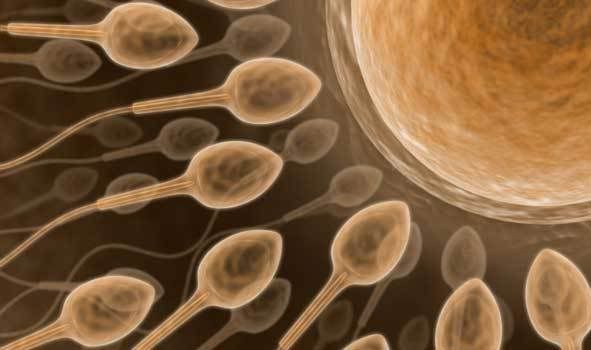
It is widely known some anti-depressants can affect sexual functioning in men and women. A study has found men taking paroxetine—brand names Seroxat and Paxil — can experience impaired fertility and sperm damage, says the Chicago Tribune.
The New York research revealed nearly half of the [men] taking Seroxat and Paxil tested with increased levels of
sperm fragmentation,said the Chicago Tribune, which added the study appears online today in the journal Fertility and Sterility.
It's fairly well known SSRI anti-depressants negatively impact erectile function and ejaculation. This study goes one step further, demonstrating they can cause a major increase in genetic damage to sperm,said Dr. Peter Schlegel, the study's senior author and professor of reproductive medicine at Weill Cornell Medical College in New York, quoted the Chicago Tribune.
TODAY'S BOOK SUGGESTION:
 Eat, Love, Get Pregnant: A Couple's Guide To Boosting Fertility and Having A Healthy Baby
by Karen Daniels
--
A breakthrough revolutionary plan for getting pregnant fast, solving common fertility problems and having a healthy baby – this is NOT your average book on getting pregnant!
Renowned fertility expert Dr. Niels Lauersen and women's wellness expert Colette Bouchez help readers take charge of their fertility with a revolutionary new self-help plan designed to show couples how to work together to boost their conception odds, plan for a healthy pregnancy, and get pregnant faster – all without the use of expensive fertility treatments or medications.
Based on scientific research and tested on thousands of couples Eat-Love- GET PREGNANT is a simple yet revolutionary plan that provides the quintessential
missing linkabsent from most other fertility programs – namely, the importance of not only boosting both male and female fertility simultaneously, but bold new evidence showing how, when couples work together in certain special and unique ways, they can create a unified
fertility power booststrong enough to take them from infertile to fertile in as little as three months.
Paperback: 116 pagesClick to order/for more info: Eat, Love, Get Pregnant
Start reading Eat, Love, Get Pregnant on your Kindle in under a minute!Don't have a Kindle? Get your Kindle here, or download a FREE Kindle Reading App.
 |
| Photo credit: The Courier-Mail |
This smoothie is rich in B vitamins, zinc and essential fatty acids to support a healthy hormone balance; antioxidants to help protect sperm and eggs; and vitamin E, which can reduce miscarriage risk and aid sperm production.
Just blend and serve.
• 1 tsp honey
• 1 tsp lecithin powder
• 1 tsp LSA powder (finely ground linseed, sunflower seeds and almonds)
• 1 tsp wheat germ (powder or oil)
• 1 tsp yogurt (acidophilus-cultured)
• 1 egg (medium size, organic) (note: eat a maximum of 3 eggs per week)
• 1/2 medium banana (or 1/2 cup of strawberries or mango pieces)
• 250ml low-fat cow's milk, soy milk, nut milk or rice milk (preferred)
Options:
• Add 1 tablespoon of low-fat ice-cream, sorbet or gelato.
• Carob powder is also nutritious and can add flavour and texture
Read more: A smoothie to boost fertility
TODAY'S BOOK SUGGESTION:
Eat, Love, Get Pregnant: A Couple's Guide To Boosting Fertility and Having A Healthy Babyby Karen Daniels
--
A breakthrough revolutionary plan for getting pregnant fast, solving common fertility problems and having a healthy baby – this is NOT your average book on getting pregnant!
Renowned fertility expert Dr. Niels Lauersen and women's wellness expert Colette Bouchez help readers take charge of their fertility with a revolutionary new self-help plan designed to show couples how to work together to boost their conception odds, plan for a healthy pregnancy, and get pregnant faster – all without the use of expensive fertility treatments or medications.
Based on scientific research and tested on thousands of couples Eat-Love- GET PREGNANT is a simple yet revolutionary plan that provides the quintessential
missing linkabsent from most other fertility programs – namely, the importance of not only boosting both male and female fertility simultaneously, but bold new evidence showing how, when couples work together in certain special and unique ways, they can create a unified
fertility power booststrong enough to take them from infertile to fertile in as little as three months.
Paperback: 116 pagesClick to order/for more info: Eat, Love, Get Pregnant
Start reading Eat, Love, Get Pregnant on your Kindle in under a minute!Don't have a Kindle? Get your Kindle here, or download a FREE Kindle Reading App.
 |
| Photo by www.cnn.com |
Pamela Madsens says it took teams of doctors, drugs, and fertility treatments before she could conceive each of her two sons, but she has a few easy tips she believes may help other infertile couples.
Her advice includes pointers on how to speed up a referral to a fertility clinic, how to pick the right doctor, and tips on getting the support you need from your spouse.
Story Highlights
• Expert: 40 percent of infertility is due to something wrong with the man
• Meeting a
cycle buddyat a clinic or online can be helpful
• Women under 35 should try for a year before proceeding with fertility treatments
• Women over 35 should wait no longer than six months before getting help
Read more: How to have a baby when it's not so simple
TODAY'S BOOK SUGGESTION:
 Ready: Why Women Are Embracing The New Later Motherhood
 by Elizabeth Gregory
-- Over the past three decades, skyrocketing numbers of women have chosen to start their families in their late thirties and early forties.
In 2005, ten times as many women had their first child between the ages of 35 and 39 as in 1975, and thirteen times as many had their first between 40 and 44.
Women now have the option to define for themselves when they're ready for a family, rather than sticking to a schedule set by social convention.
As a society, however, we have yet to come to terms with the phenomenon of later motherhood, and women who decide it makes sense for them to delay pregnancy often find themselves confronted with alarmist warnings about the dangers of waiting too long.
In Ready, Elizabeth Gregory tracks the burgeoning trend of new later motherhood and demonstrates for many women today, waiting for family works best.
She provides compelling evidence of the benefits of having children later -- by birth or by adoption.
Paperback: 336 pagesClick to order/for more info: Ready
Start reading Ready on your Kindle in under a minute!Don't have a Kindle? Get your Kindle here, or download a FREE Kindle Reading App.
Popular Posts
-
 Menopause is the time in a woman's life when her reproductive system shuts down and her reproducing days are over... or are they? For s...
 -
 Found this post by Ally (Ocelot Cub) on FertilityFriends.co.uk : Ally wrote: I have collected a number of success stories from ladies w...
 -
 Fertility Supplement Bundle Our diet is one of the most important factors when it comes to trying to have a baby. Making sure we watch...
 -
 Following is a case of a 42-year-old man, who was suffering from Oligospermia [low sperm count] . He had previously consulted many specia...
 -
 Modern farming practices, your diet, and your lifestyle, may require that you supplement with certain nutrients to optimize fertility. Am...
 -
 A Zen thought ... A true expert is not the one with the most knowledge, but one who causes the most others to have knowledge. Questions, ...


Recent Comments