
This plan can help many over 40 women:
🛏️ If you don't have fertile-quality cervical mucus, the sperm may only last 2 hours.🛏️ Older men sometimes can't perform as often.
🛏️ Older men sometimes have lower sperm counts.
🛏️ The sperm needs to be there, waiting, before your egg is released. So you need to start
tryingbefore your OPK turns positive.
🛏️ Regular sex increases his testosterone, his sperm count, and your cervical mucus and helps ramp up your hormones, especially estrogen - getting everything working well.
The Plan - Short Version:
🛏️Tryevery other night starting Day 8
🛏️ Buy 10 ovulation predictor kit sticks
🛏️ Begin ovulation testing on Day 10
🛏️ When test is positive,trythat night, plus two additional nights in a row
🛏️ Skip one night, then do one lasttry
🛏️ Take a home pregnancy test 15 days after your ovulation test was positive, if your period has not begun
🛏️ If your ovulation test never goes positive, continuetryingevery other night until Day 35, then do a pregnancy test if your period has not begun.
For the Detailed Version, read the full article: The Sperm Meets Egg Plan
How Sexual Frequency Affects a Woman's Sexual Responsiveness, Fertility, and Health
🛏️ The less often a woman has sex, the less she will want sex, the less she will enjoy sex, and the more difficult it will be for her to become aroused and climax.🛏️ Women who had sex two or more times a week had the most regular cycles, women who had sex once a week was slightly less regular, celibate women were still less regular, and women who had sporadic sex, or sex less than once a week, had the most irregular cycles. A variety of hormonal differences were seen, including higher estrogen levels in the women who had regular sex.
🛏️ The benefits of the hormonal changes in those having intercourse at least twice a week include better fertility, stronger bones, better cardiovascular health, less depression, lower incidence of fibrocystic breast disease and uterine cancer, and a decrease in menopausal symptoms such as hot flashes and depression.
Photo credit: Sperm Count Recipe Ayurvedic, by Kamikaze Gecko
TODAY'S BOOK SUGGESTION:
by Deanna Roy
-- The Sperm Meets Egg Plan is a step-by-step guide to achieving pregnancy without taking invasive tests, charting temperatures, or making mistakes in predicting your ovulation that result in mistimed attempts at fertilization.
Designed by Deanna Roy after months of trying made her believe she had a fertility problem, the plan will help you time intercourse whether you have a typical or atypical cycle.
It includes adjustments for common fertility problems, what to do if you are over forty, and considerations for trying again after a pregnancy loss.
This booklet includes 40 pages of instruction plus a 10-page sneak peek of Deanna's book Baby Dust. It should be a free download.
This FREE booklet is a THANK YOU to all the women who have supported Deanna's web site since the loss of her first baby in 1998.
📚 Start reading The Sperm Meets Egg Plan on your Kindle in under a minute!
📚 Don't have a Kindle? Get your Kindle here, or download a FREE Kindle Reading App.

Infertility affects more than 6 million people in the United States alone, or 1 out of every 6 couples, according to Lafayette-based Conceptions Reproductive Associates of Colorado.
And despite a common fallacy -- it's a woman's problem -- fertility difficulties are equally as likely to be caused by male difficulties. It is a combined issue in about 20 percent of infertility cases, Conceptions says.
For women, it is most commonly a problem with ovulation, according to Robyn Curtis, with the Colorado Center for Reproductive Medicine, which has a Louisville office.
For men, it is mostly sperm health or motility,Curtis says.
But there are so many other influencing factors - dealing with a difficult conception can feel like a guessing game, says McGinnis, the new Boulder mom. That's why she recommends getting professional help after one year of trying -- and sticking to research-proven advice such as staying away from cigarettes and minimizing stress.
We've solicited the expertise of a spectrum of experts: a local acupuncturist, nutritionist-dietitians, reproductive endocrinologist-ObGyn, reproductive clinic, physician, Chinese herbal medicine practitioner, and the American Society of Reproductive Medicine, as well as the results from some studies and a nontraditional pharmacy.
Here's their take on some wives' tales -- and some truths.
Enhancing fertility
Drink raspberry leaf tea. FALSE.-- This tea may promote uterine health after you're pregnant, but does nothing for fertility. (Pharmaca Integrative Pharmacy)
Have sex during a full moon. FALSE.
-- Menstrual cycles can coincide with the phases of the moon, but it doesn't matter if the moon's full if you're not ovulating. (Pharmaca)
Eat organic foods and drink purified water; eat alkaline foods.
DEPENDS on whom you ask.
-- Acupuncturist Amy Dickinson says pesticides and herbicides in non-organic food can harm a woman's eggs, and food chemicals and additives often have estrogen-like substances that can throw the hormonal balance off.
Dickinson recommends alkaline foods, such as vegetables, non-citrus fruits, sprouts, and wheat grass. Acidic foods, such as sugar, dairy, and grains, can create an acidic cervical pH, which sperm don't like, she says. Plus, she says fruits and vegetables contain bioflavonoids, which help create healthy blood vessels that can help prevent miscarriage and prepare the uterus for implantation.
Physician Robert Gustofson, with the Colorado Center for Reproductive Medicine at the Avista Hospital, says no food types have been shown to improve pregnancy probability. He says they won't harm your chances, however.
Be at a healthy body weight. TRUE.
-- Being overweight or underweight can have adverse effects.
Get acupuncture. TRUE.
-- Acupuncture increases the chances of implantation and increases blood circulation to the uterus. (Journal of Fertility and Sterility, 2003)
Adopt. FALSE.
-- Everyone knows someone who had adopted a child and then gotten pregnant, but research has not shown a connection.
Dream you are pregnant. FALSE.
-- Dreams are unrelated to fertility. (Gustofson)
Relax. TRUE.
-- Stress is a fertility killer. You need progesterone for pregnancy. When a body is stressed, it redirects to produce the stress hormone, cortisol, instead of creating progesterone. (Boulder acupuncturist Amy Dickinson)
Have sex 14 days after your period. FALSE.
-- Not every woman has a 28-day menstrual cycle with ovulation in the middle.
Have sex in a certain position. FALSE.
(Colorado Center for Reproductive Medicine)
Be well rested. TRUE.
-- This helps combat stress. (Conceptions Reproductive Associates of Colorado)
You have sex in a swimming pool. FALSE.
-- The chlorine will not kill all sperm. (Julie McGinnis, Boulder nutritionist, dietitian, and herbalist)
You douche after sex. FALSE.
-- There is no evidence douching will prevent pregnancy, even if you use certain essential oils or other liquids. (McGinnis)
You have sex while on your period. MAYBE.
-- The chances of ovulating while on your period are smaller, but you can still get pregnant.
The man was kicked hard in the groin while playing a sport. FALSE.
-- It's very unlikely a single traumatic event will result in sterility. The male system is pretty hardy. (Conceptions)
The woman is older than 35. FALSE.
-- In general, the chance of getting pregnant in one year is about 90 percent until age 34. It drops to 67 percent by age 40, and after age 45, it declines to 15 percent. (American Society of Reproductive Medicine) However, fertility varies with every woman.
The man is older than 35. FALSE.
-- Growing evidence suggests age may be a factor eventually, but the number and quality of sperm doesn't decline until after age 64. (American Society of Reproductive Medicine)
You're stressed. TRUE.
-- Stress can reduce sperm count and stop ovulation. (American Society of Reproductive Medicine and Conceptions)
You took birth control pills. FALSE.
-- A few months after you stop taking the pill, your body should be back to normal. (Conceptions)
Your mom took birth control pills. FALSE.
-- (Colorado Center for Reproductive Medicine)
You've already had one child. FALSE.
-- (Conceptions)
You had a C-section. FALSE.
-- Not unless it was complicated by something affecting the Fallopian tubes. (Conceptions)
You are breastfeeding. MAYBE.
-- It can decrease ovulatory function but doesn't stop it. It depends on the woman. (Conceptions)
You haven't re-started your period after childbirth. FALSE.
-- You can ovulate and not have your period first. (Conceptions)
You have diabetes. TRUE.
-- Good glycemic control prior to conception can decrease birth defects. And women with pre-diabetes glucose intolerance can have disrupted ovulation. (Conceptions)
You have had a heart attack or liver or kidney failure. TRUE.
-- Significant, life-threatening medical conditions may decrease the chance of pregnancy until treated or resolved. (Gustofson)
If the man masturbates a lot. TRUE.
-- Masturbation can temporarily lower sperm count. It cannot make you sterile. (McGinnis)
You have anal sex. TRUE.
-- Anal sperm deposition does not fertilize an egg in the uterus. (Gustofson)
The man spends a lot of time in saunas or hot tubs. TRUE.
-- Overheating may temporarily reduce sperm count. (Colorado Center for Reproductive Medicine)
The guy wears tight underwear. TRUE.
-- This can increase the temperature of the testes. (Colorado Center for Reproductive Medicine)
The man smokes cigarettes or marijuana. TRUE.
-- Smoking can reduce sperm count. (Infertility.about.com)
You drink alcohol. TRUE.
-- Excessive alcohol can damage sperm and eggs. (Infertility.about.com) More than two drinks a day can suppress hormones. Plus, the byproduct of alcohol is a toxin, and if it goes to the uterus, it doesn't enhance pregnancy rates. (Conceptions)
You drink a lot of caffeine. TRUE.
-- (Conceptions)
The man uses steroids. TRUE.
-- Steroids can severely impair sperm production. (American Society of Reproductive Medicine)
The man consumes too much vitamin C (more than 1,000 mg). FALSE.
-- Vitamin C will be urinated out if not absorbed. It does not necessarily acidify the semen or kill sperm. (Gustofson)
You unnecessarily take over-the-counter drugs, including ibuprofen. TRUE.
-- Ibuprofen can inhibit prostaglandins and inhibit ovulation. (Dickinson)
The woman has an iron deficiency. TRUE,
-- Acupuncturist Amy Dickinson says pesticides and herbicides in non-organic food can harm a woman's eggs, and food chemicals and additives often have estrogen-like substances that can throw the hormonal balance off.
Dickinson recommends alkaline foods, such as vegetables, non-citrus fruits, sprouts, and wheat grass. Acidic foods, such as sugar, dairy, and grains, can create an acidic cervical pH, which sperm don't like, she says. Plus, she says fruits and vegetables contain bioflavonoids, which help create healthy blood vessels that can help prevent miscarriage and prepare the uterus for implantation.
Physician Robert Gustofson, with the Colorado Center for Reproductive Medicine at the Avista Hospital, says no food types have been shown to improve pregnancy probability. He says they won't harm your chances, however.
Be at a healthy body weight. TRUE.
-- Being overweight or underweight can have adverse effects.
Get acupuncture. TRUE.
-- Acupuncture increases the chances of implantation and increases blood circulation to the uterus. (Journal of Fertility and Sterility, 2003)
Adopt. FALSE.
-- Everyone knows someone who had adopted a child and then gotten pregnant, but research has not shown a connection.
Dream you are pregnant. FALSE.
-- Dreams are unrelated to fertility. (Gustofson)
Relax. TRUE.
-- Stress is a fertility killer. You need progesterone for pregnancy. When a body is stressed, it redirects to produce the stress hormone, cortisol, instead of creating progesterone. (Boulder acupuncturist Amy Dickinson)
Have sex 14 days after your period. FALSE.
-- Not every woman has a 28-day menstrual cycle with ovulation in the middle.
Have sex in a certain position. FALSE.
(Colorado Center for Reproductive Medicine)
Be well rested. TRUE.
-- This helps combat stress. (Conceptions Reproductive Associates of Colorado)
Diminishing fertility
You may adversely affect conception if:You have sex in a swimming pool. FALSE.
-- The chlorine will not kill all sperm. (Julie McGinnis, Boulder nutritionist, dietitian, and herbalist)
You douche after sex. FALSE.
-- There is no evidence douching will prevent pregnancy, even if you use certain essential oils or other liquids. (McGinnis)
You have sex while on your period. MAYBE.
-- The chances of ovulating while on your period are smaller, but you can still get pregnant.
The man was kicked hard in the groin while playing a sport. FALSE.
-- It's very unlikely a single traumatic event will result in sterility. The male system is pretty hardy. (Conceptions)
The woman is older than 35. FALSE.
-- In general, the chance of getting pregnant in one year is about 90 percent until age 34. It drops to 67 percent by age 40, and after age 45, it declines to 15 percent. (American Society of Reproductive Medicine) However, fertility varies with every woman.
The man is older than 35. FALSE.
-- Growing evidence suggests age may be a factor eventually, but the number and quality of sperm doesn't decline until after age 64. (American Society of Reproductive Medicine)
You're stressed. TRUE.
-- Stress can reduce sperm count and stop ovulation. (American Society of Reproductive Medicine and Conceptions)
You took birth control pills. FALSE.
-- A few months after you stop taking the pill, your body should be back to normal. (Conceptions)
Your mom took birth control pills. FALSE.
-- (Colorado Center for Reproductive Medicine)
You've already had one child. FALSE.
-- (Conceptions)
You had a C-section. FALSE.
-- Not unless it was complicated by something affecting the Fallopian tubes. (Conceptions)
You are breastfeeding. MAYBE.
-- It can decrease ovulatory function but doesn't stop it. It depends on the woman. (Conceptions)
You haven't re-started your period after childbirth. FALSE.
-- You can ovulate and not have your period first. (Conceptions)
You have diabetes. TRUE.
-- Good glycemic control prior to conception can decrease birth defects. And women with pre-diabetes glucose intolerance can have disrupted ovulation. (Conceptions)
You have had a heart attack or liver or kidney failure. TRUE.
-- Significant, life-threatening medical conditions may decrease the chance of pregnancy until treated or resolved. (Gustofson)
If the man masturbates a lot. TRUE.
-- Masturbation can temporarily lower sperm count. It cannot make you sterile. (McGinnis)
You have anal sex. TRUE.
-- Anal sperm deposition does not fertilize an egg in the uterus. (Gustofson)
The man spends a lot of time in saunas or hot tubs. TRUE.
-- Overheating may temporarily reduce sperm count. (Colorado Center for Reproductive Medicine)
The guy wears tight underwear. TRUE.
-- This can increase the temperature of the testes. (Colorado Center for Reproductive Medicine)
The man smokes cigarettes or marijuana. TRUE.
-- Smoking can reduce sperm count. (Infertility.about.com)
You drink alcohol. TRUE.
-- Excessive alcohol can damage sperm and eggs. (Infertility.about.com) More than two drinks a day can suppress hormones. Plus, the byproduct of alcohol is a toxin, and if it goes to the uterus, it doesn't enhance pregnancy rates. (Conceptions)
You drink a lot of caffeine. TRUE.
-- (Conceptions)
The man uses steroids. TRUE.
-- Steroids can severely impair sperm production. (American Society of Reproductive Medicine)
The man consumes too much vitamin C (more than 1,000 mg). FALSE.
-- Vitamin C will be urinated out if not absorbed. It does not necessarily acidify the semen or kill sperm. (Gustofson)
You unnecessarily take over-the-counter drugs, including ibuprofen. TRUE.
-- Ibuprofen can inhibit prostaglandins and inhibit ovulation. (Dickinson)
The woman has an iron deficiency. TRUE,
at least for people with chronic anemia.
-- It can affect ovulation. (Conceptions)
Eating soy, which contains plant-based estrogens. FALSE.
-- There is no research showing a high-soy diet creates infertility. (American Society of Reproductive Medicine)
Using a cell phone. MAYBE.
-- One study by The Cleveland Clinic found men who used cell phones the most had poorer sperm quality than men who used them the least, but more research is needed.
You have an eating disorder. TRUE.
-- Too-low body fat levels can stop the reproductive process. (American Society of Reproductive Medicine)
You are a hard-core athlete. TRUE.
-- Low body fat can mean irregular periods. (American Society of Reproductive Medicine)
The man is an avid cyclist. TRUE.
-- For men, pressure from the bicycle seat can damage blood vessels and nerves. Mountain biking shocks the perineum and can injure the scrotum. One study found mountain biker men were more likely to have twisted veins in the scrotum, cysts or calcium deposits. (American Society of Reproductive Medicine)
You have a sexually transmitted infection. DEPENDS.
-- Chlamydia or gonorrhea are associated with male and female infertility. (American Society of Reproductive Medicine) HPV (human papillomavirus) typically is not, unless it is linked to cancer and the woman must have her cervix operated on. Herpes does not affect fertility. (Conceptions)
The woman has endometriosis. TRUE.
-- (American Society of Reproductive Medicine)
The woman has thyroid problems. MAYBE
-- Too much or too little thyroid hormone can interrupt ovulation. (Conceptions)
The man has retrograde orgasms (sperm deposition in the bladder). TRUE AND FALSE.
-- It will be more difficult to conceive, but it not impossible. (Gustofson)
You were exposed to harmful chemicals. TRUE.
-- Some chemicals can hurt sperm or eggs or cause birth defects. (McGinnis)
You go under an anesthetic at the dentist's office. FALSE.
-- (Conceptions)
You've had radiation treatment. TRUE.
-- Cells exposed to significant levels of radiation may take up to two years to resume normal sperm production or, in severe cases, may never recover. (American Society of Reproductive Medicine)
You're exposed to some kinds of plastics and rubber or pesticides.
-- It can affect ovulation. (Conceptions)
Eating soy, which contains plant-based estrogens. FALSE.
-- There is no research showing a high-soy diet creates infertility. (American Society of Reproductive Medicine)
Using a cell phone. MAYBE.
-- One study by The Cleveland Clinic found men who used cell phones the most had poorer sperm quality than men who used them the least, but more research is needed.
You have an eating disorder. TRUE.
-- Too-low body fat levels can stop the reproductive process. (American Society of Reproductive Medicine)
You are a hard-core athlete. TRUE.
-- Low body fat can mean irregular periods. (American Society of Reproductive Medicine)
The man is an avid cyclist. TRUE.
-- For men, pressure from the bicycle seat can damage blood vessels and nerves. Mountain biking shocks the perineum and can injure the scrotum. One study found mountain biker men were more likely to have twisted veins in the scrotum, cysts or calcium deposits. (American Society of Reproductive Medicine)
You have a sexually transmitted infection. DEPENDS.
-- Chlamydia or gonorrhea are associated with male and female infertility. (American Society of Reproductive Medicine) HPV (human papillomavirus) typically is not, unless it is linked to cancer and the woman must have her cervix operated on. Herpes does not affect fertility. (Conceptions)
The woman has endometriosis. TRUE.
-- (American Society of Reproductive Medicine)
The woman has thyroid problems. MAYBE
-- Too much or too little thyroid hormone can interrupt ovulation. (Conceptions)
The man has retrograde orgasms (sperm deposition in the bladder). TRUE AND FALSE.
-- It will be more difficult to conceive, but it not impossible. (Gustofson)
You were exposed to harmful chemicals. TRUE.
-- Some chemicals can hurt sperm or eggs or cause birth defects. (McGinnis)
You go under an anesthetic at the dentist's office. FALSE.
-- (Conceptions)
You've had radiation treatment. TRUE.
-- Cells exposed to significant levels of radiation may take up to two years to resume normal sperm production or, in severe cases, may never recover. (American Society of Reproductive Medicine)
You're exposed to some kinds of plastics and rubber or pesticides.
DEPENDS on whom you ask.
-- McGinnis says some plastics contain materials can disrupt hormones. (McGinnis)
Gustofson says large amounts of pesticide ingestion may cause infertility, but minimal exposure will not cause harm. He says plastics and rubber do not cause infertility.
You use petroleum-based lubricants, including spermicides, oils or Vaseline. TRUE.
-- Astroglide, Replens, mineral oil or all-natural lubricants may not be as harmful to sperm. (American Society of Reproductive Medicine)
Read more: Misconceptions about conception
Eat, Love, Get Pregnant: A Couple's Guide To Boosting Fertility and Having A Healthy Baby
by Karen Daniels
--
Renowned fertility expert Dr. Niels Lauersen and women's wellness expert Colette Bouchez help readers take charge of their fertility with a revolutionary new self-help plan designed to show couples how to work together to boost their conception odds, plan for a healthy pregnancy, and get pregnant faster – all without the use of expensive fertility treatments or medications.
Based on scientific research and tested on thousands of couples Eat-Love- GET PREGNANT is a simple yet revolutionary plan that provides the quintessential
📚 Paperback: 116 pages
Click to order/for more info: Eat, Love, Get Pregnant
📚 Start reading Eat, Love, Get Pregnant on your Kindle in under a minute!
📚 Don't have a Kindle? Get your Kindle here, or download a FREE Kindle Reading App.
-- McGinnis says some plastics contain materials can disrupt hormones. (McGinnis)
Gustofson says large amounts of pesticide ingestion may cause infertility, but minimal exposure will not cause harm. He says plastics and rubber do not cause infertility.
You use petroleum-based lubricants, including spermicides, oils or Vaseline. TRUE.
-- Astroglide, Replens, mineral oil or all-natural lubricants may not be as harmful to sperm. (American Society of Reproductive Medicine)
Read more: Misconceptions about conception
TODAY'S BOOK SUGGESTION:
by Karen Daniels
--
A breakthrough revolutionary plan for getting pregnant fast, solving common fertility problems and having a healthy baby – this is NOT your average book on getting pregnant!
Renowned fertility expert Dr. Niels Lauersen and women's wellness expert Colette Bouchez help readers take charge of their fertility with a revolutionary new self-help plan designed to show couples how to work together to boost their conception odds, plan for a healthy pregnancy, and get pregnant faster – all without the use of expensive fertility treatments or medications.
Based on scientific research and tested on thousands of couples Eat-Love- GET PREGNANT is a simple yet revolutionary plan that provides the quintessential
missing linkabsent from most other fertility programs – namely, the importance of not only boosting both male and female fertility simultaneously but bold new evidence showing how, when couples work together in certain special and unique ways, they can create a unified
fertility power booststrong enough to take them from infertile to fertile in as little as three months
📚 Paperback: 116 pages
Click to order/for more info: Eat, Love, Get Pregnant
📚 Start reading Eat, Love, Get Pregnant on your Kindle in under a minute!
📚 Don't have a Kindle? Get your Kindle here, or download a FREE Kindle Reading App.
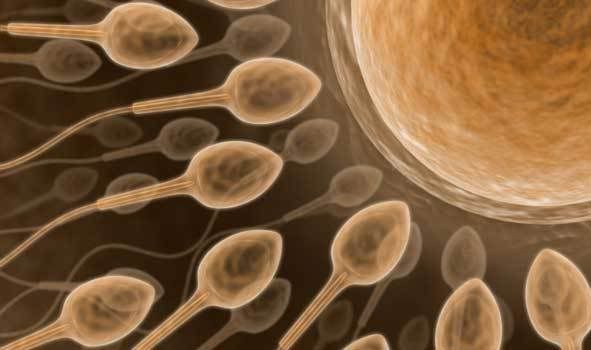
It is widely known some anti-depressants can affect sexual functioning in men and women. A study has found men taking paroxetine—brand names Seroxat and Paxil — can experience impaired fertility and sperm damage, says the Chicago Tribune.
The New York research revealed nearly half of the [men] taking Seroxat and Paxil tested with increased levels of
sperm fragmentation,said the Chicago Tribune, which added the study appears online today in the journal Fertility and Sterility.
It's fairly well known SSRI anti-depressants negatively impact erectile function and ejaculation. This study goes one step further, demonstrating they can cause a major increase in genetic damage to sperm,said Dr. Peter Schlegel, the study's senior author and professor of reproductive medicine at Weill Cornell Medical College in New York, quoted the Chicago Tribune.
TODAY'S BOOK SUGGESTION:
 Eat, Love, Get Pregnant: A Couple's Guide To Boosting Fertility and Having A Healthy Baby
by Karen Daniels
--
A breakthrough revolutionary plan for getting pregnant fast, solving common fertility problems and having a healthy baby – this is NOT your average book on getting pregnant!
Renowned fertility expert Dr. Niels Lauersen and women's wellness expert Colette Bouchez help readers take charge of their fertility with a revolutionary new self-help plan designed to show couples how to work together to boost their conception odds, plan for a healthy pregnancy, and get pregnant faster – all without the use of expensive fertility treatments or medications.
Based on scientific research and tested on thousands of couples Eat-Love- GET PREGNANT is a simple yet revolutionary plan that provides the quintessential
missing linkabsent from most other fertility programs – namely, the importance of not only boosting both male and female fertility simultaneously, but bold new evidence showing how, when couples work together in certain special and unique ways, they can create a unified
fertility power booststrong enough to take them from infertile to fertile in as little as three months.
 Paperback: 116 pages
Click to order/for more info: Eat, Love, Get Pregnant
Start reading Eat, Love, Get Pregnant on your Kindle in under a minute!Don't have a Kindle? Get your Kindle here, or download a FREE Kindle Reading App.
Subfertility is defined as the failure to conceive after 1 year of regular, unprotected intercourse with the same partner.
Approximately 10–17% of all couples experience primary or secondary subfertility at some time during their reproductive life.
UV radiation destroys folic acid, a precursor for folate, the lack of which may result in birth defects.
Current treatments of subfertile couples are usually empiric, as the true cause of subfertility often remains unknown.
Therefore, we outline the role of nutritional and biochemical factors in reproduction and subfertility.
A literature search was performed using MEDLINE, Science Direct and bibliographies of published work with both positive and negative results.
The studies showed folate has a role in spermatogenesis.
In female reproduction, folate is also important for oocyte quality and maturation, implantation, placentation, fetal growth and organ development.
Zinc has also been implicated in testicular development, sperm maturation and testosterone synthesis.
In females, zinc plays a role in sexual development, ovulation and the menstrual cycle.
Both folate and zinc have antioxidant properties which counteract reactive oxygen species (ROS).
Thiols, such as glutathione, balance the levels of ROS produced by spermatozoa and influence DNA compaction and the stability and motility of spermatozoa.
Oocyte maturation, ovulation, luteolysis and follicle atresia are also affected by ROS.
After fertilization, glutathione is important for sperm nucleus decondensation and pronucleus formation.
Folate, zinc, ROS and thiols affect apoptosis, which is important for sperm release, regulation of follicle atresia, degeneration of the corpus luteum and endometrial shedding.
Therefore, the concentrations of these nutrients may have substantial effects on reproduction.
In conclusion, nutritional and biochemical factors affect biological processes in male and female reproduction. Further research should identify pathways that may lead to improvements in care and treatment of subfertility.
Read more: The importance of folate, zinc and antioxidants in the pathogenesis and prevention of subfertility
TODAY'S BOOK SUGGESTION:
 Ready: Why Women Are Embracing The New Later Motherhood
 by Elizabeth Gregory
-- Over the past three decades, skyrocketing numbers of women have chosen to start their families in their late thirties and early forties.
In 2005, ten times as many women had their first child between the ages of 35 and 39 as in 1975, and thirteen times as many had their first between 40 and 44.
Women now have the option to define for themselves when they're ready for a family, rather than sticking to a schedule set by social convention.
As a society, however, we have yet to come to terms with the phenomenon of later motherhood, and women who decide it makes sense for them to delay pregnancy often find themselves confronted with alarmist warnings about the dangers of waiting too long.
In Ready, Elizabeth Gregory tracks the burgeoning trend of new later motherhood and demonstrates for many women today, waiting for family works best.
She provides compelling evidence of the benefits of having children later -- by birth or by adoption.
Paperback: 336 pagesClick to order/for more info: Ready
Start reading Ready on your Kindle in under a minute!Don't have a Kindle? Get your Kindle here, or download a FREE Kindle Reading App.
 With new research suggesting being overweight is a contributory factor in long term conception and fertility problems in men, the 7 Day Detox Clinic from Homefield Grange is ideal for men looking to shift those extra pounds and begin their journey to a new, healthier lifestyle.
Working towards a healthier lifestyle is not something limited just to ladies looking for the body beautiful.
Looking after your body is something everybody needs to consider and weight loss for men is becoming a very serious issue.
Figures from the World Health Organization suggest 48% of male adults are obese and this impacts negatively on everything from their physical health to their fertility, as new research has discovered.
Reproductive experts at the University of Melbourne have just released research showing obesity can significantly affect the efficiency of sperm.
This new research shows that it's just not women who need to get in shape when trying to conceive, men need to be healthy too.
At Homefield Grange, the ultimate 7 Day Detox and Weight Loss Programme is designed to conquer those extra pounds and teach participants a healthier way to live.
Attending the programme at Homefield Grange gives participants a chance to enjoy the rural Nottinghamshire surroundings whilst working towards a fitter, healthier self.
The 7 day detox programme is filled with classes covering nutrition, exercise and more.
Daily exercise classes include non-impact sessions such as Yoga and Pilates, with specific fat-burning classes also scheduled.
TODAY'S BOOK SUGGESTION:
 The Infertility Cleanse: Detox, Diet and Dharma for Fertility
by Tami Quinn and Beth Heller
-- Women who are trying to conceive will find a holistic approach in this hands-on manual.
Step-by-step guidelines help implement a three-part program — of yoga, hypoallergenic and anti-inflammatory nutrition, and stress-reduction techniques — to cleanse the body, mind, and spirit in preparation for pregnancy.
In addition, this program draws on cleansing methods from traditional Chinese medicine and Ayurveda and has been specifically designed for women who are trying naturally or with assisted-reproduction plans.
Also based on new clinical research that suggests that gut health, chronic inflammation, and environmental toxins may be root causes of infertility, this important book offers all women a natural, holistic approach to readying the womb for a child.
Paperback: 192 pagesClick to order/for more info: The Infertility Cleanse
Start reading The Infertility Cleanse on your Kindle in under a minute!Don't have a Kindle? Get your Kindle here, or download a FREE Kindle Reading App.

Being overweight, or obese for example, reduces both male and female fertility.
In women, it can affect ovulation.
Being underweight can also impact on fertility, particularly for women, who will not ovulate if they are severely underweight.
Smoking not only affects a person's general and long-term health, but it can also affect fertility and stress can reduce sexual desire, reducing the frequency of sexual intercourse.
Severe stress may also affect female ovulation and can limit sperm production.
Nutrition – what people are eating – also has an impact on fertility.
Many of us will be aware of the importance of folic acid for women trying to conceive, or that zinc is good for healthy sperm, but the role of nutrition infertility goes beyond this.
Read more: Healthy eating can help perk up fertility
TODAY'S BOOK SUGGESTION:
 Yes, You Can Get Pregnant: The Diet That Will Improve Your Fertility Now and Into Your 40's
by Aimee E. Raupp
-- Worried about your ability to have children in the next five years?
Have you been trying to get pregnant for a while now and it's just not happening?
Does it seem like every woman you know is having a hard time getting pregnant and you don't want that to be you when you're ready?
If you answered yes to any one of these questions, Aimee's second book, Yes, You Can Get Pregnant: The Diet That Will Improve Your Fertility Now and Into Your 40s, was written for you.
Whether you're in your 20s, 30s or 40s, this book will give you all the nutritional information you need to keep your baby-making machinery in tip-top shape.
Paperback: 52 pagesClick to order/for more info: Yes, You Can Get Pregnant
 |
| Picture by Life - Secret of life, by Sdgha Jhu |
I just want to suggest, once again, to those wanting to conceive using their own eggs /sperm, look into Hyperbaric Oxygen Therapy (here is one of many info links: OxyMed.com).
Here is the basis for my surmise:
HBOT [Hyperbaric Oxygen Therapy] increases microcirculation (neoangiogenesis), and it also increases circulating stem cells.
There has been evidence of ovarian stem cells in mice, seen in the production of new follicles.
My guess is, it might take 90-120 days following HBOT for higher quality eggs to ripen and be ovulated.
Sperm quality also improves within weeks after HBOT.
I would suggest, acupuncture and herbs (and why not colon and liver cleansing) for improved hormonal balance. Optimizing nutrition/reducing seems seem obvious.
Then, some brave soul, try the HBOT!
It's lead to more than one
miracle curein brain and even spinal cord regeneration; why not the ovaries?
Plus, it's safe and virtually harmless; much easier on the body than IVF. ~Prudence
Source: Babies After 50 discussion list
TODAY'S BOOK SUGGESTION:
 Taking Charge of Your Fertility, 10th Anniversary Edition:
The Definitive Guide to Natural Birth Control, Pregnancy Achievement, and Reproductive Health
by Toni Weschler
-- For any woman unhappy with her current method of birth control; demoralized by her quest to have a baby; or experiencing confusing symptoms in her cycle, this book provides answers to all these questions, plus amazing insights into a woman's body.
Weschler thoroughly explains the empowering Fertility Awareness Method, which in only a couple minutes a day allows a woman to:
• Enjoy highly effective, scientifically proven birth control without chemicals or devices
• Maximize her chances of conception or expedite fertility treatment by identifying impediments to conception
• Increase the likelihood of choosing the gender of her baby
• Gain control of her sexual and gynecological health
Paperback: 512 pagesClick to order/for more info: Taking Charge of Your Fertility
 |
| Twin Babies, by Chris Ford |
Steven Richardson lost his hopes to have kids with second wife Carol after a reverse snip operation failed.
But the couple became parents to twins Annie and William, thanks to Indian-origin medic Dr. Rashmi Patel, at the Manchester CARE fertility clinic, who tried an operation called ICSI, or Intracytoplasmic Sperm Injection.
Steven already had three children - Lee, now 33, Lisa, 27, and Nicola, 23 years old from his first marriage before he went for the snip.
And it was in 1994 he met Carol, 37 years old, whom he married in 1998.
But when the reverse operation failed, he got the miracle treatment from Manchester CARE fertility, where the doctors extracted sperm from his testicles and used it to fertilize one of Carol's eggs IVF-style, followed by embryo implantation.
However, it was his age and scarring after the snip which made the chances for success quite bleak.
But it was in November 2006 the treatment finally clicked for this couple after two failed tries.
It seems like a miracle - 22 years after Steve's vasectomy we've been able to have our twins. I had always wanted to be a mother, and against all the odds, we have our beautiful twins and I'm a mum at last,The Sun quoted Carol, now 49 years old, as saying.
Steven added:
When my reversal failed we were devastated. But the other procedure did work and now we are over the moon.
Dr. Patel said:
We were very happy to help Carol and Steven.
Source: Man has miracle twins - 22 years after he had a vasectomy
TODAY'S BOOK SUGGESTION:
 The Impatient Woman's Guide to Getting Pregnant
by Jean M. Twenge Ph.D.
-- Complete guide to the medical, psychological, social, and sexual aspects of getting pregnant, told in a funny, compassionate way, like talking to a good friend who's been through it all.
And in fact, Dr. Jean Twenge has been through it all—the mother of three young children, she started researching fertility when trying to conceive for the first time.
A renowned sociologist and professor at San Diego State University, Dr. Twenge brought her research background to the huge amount of information—sometimes contradictory, frequently alarmist, and often discouraging—that she encountered online, from family and friends, and in books, and decided to go into the latest studies to find out the real story.
The good news is:
There is a lot less to worry about than you've been led to believe. Dr. Twenge gets to the heart of the emotional issues around getting pregnant, including how to prepare mentally and physically when thinking about conceiving, how to talk about it with family, friends, and your partner, and how to handle the great sadness of a pregnancy loss; as well as how to know when you’re ovulating, when to have sex, timing your pregnancy, maximizing your chances of getting pregnant, how to tilt the odds toward having a boy or a girl, and the best prenatal diet.
Trying to conceive often involves an enormous amount of emotion, from anxiety and disappointment to hope and joy.
With comfort, humor, and straightforward advice, The Impatient Woman's Guide to Getting Pregnant is the bedside companion to help you through it.
Paperback: 256 pagesClick to order/for more info: The Impatient Woman's Guide to Getting Pregnant
Start reading The Impatient Woman's Guide to Getting Pregnant on your Kindle in under a minute!Don't have a Kindle? Get your Kindle here, or download a FREE Kindle Reading App.
 |
| Photo by Dailymail.co.uk |
The British study concluded that young men who take the drug could be ruining their chances of fathering children, it is reported by Australian news agency AAP.
Dr. David Glenn, a consultant gynecologist at Queen's University Belfast, conducted two experiments on Viagra, which will be published in the journal Fertility and Sterility, according to the report.
In the first, Glenn and his research team treated sperm samples with weak solutions of Viagra to mimic the level found in the blood of a man who has taken a single pill.
Sperm exposed to the drug appeared more active than untreated sperm. But the Viagra also appeared to damage the acrosome, a cap-like structure producing enzymes to help penetrate the egg, the report said.
The second test found mice given Viagra produced 40 percent fewer embryos than other mice.
Pfizer, the maker of Viagra, was not immediately available for comment, the report said.
Read more: Study: Viagra May Harm Sperm, Fertility
TODAY'S BOOK SUGGESTION:
 The Fertile Kitchen Cookbook: Simple Recipes for Optimizing Your Fertility
by Cindy Bailey and Pierre Giauque
-- Are you one of the millions of couples desperately trying to conceive a baby? Are you aware that diet plays a critical role in fertility? Would you like to unlock the secrets to changing your diet and potentially increasing your chances of success?
Co-authors Cindy Bailey and Pierre Giauque -- when confronted with Cindy's medical prognosis of a two percent chance of conceiving a baby on her own -- unlocked those secrets to develop a fertility diet that four months later produced a viable pregnancy, and soon after a healthy baby.
The Fertile Kitchen™ Cookbook includes a variety of simple-to-make tasty dishes that make the diet easy to follow. In this cookbook, the authors share these flavorful recipes, along with the dietary guidelines that helped them succeed. Additional tips and even a section on cooking basics are included.
You will learn: The importance of diet in conception and pregnancy, what foods you can and cannot eat to enhance fertility, how to identify and shop for healthy ingredients and food items, how to prepare the nutritious and fertility-enhancing recipes included.
Paperback: 185 pagesClick to order/for more info: The Fertile Kitchen Cookbook
 |
| Photo Credit: Hands on Belly, by Elliott McFadden |
A recent report from Germany (1) confirms many other studies (2,3,4) showing the most common cause of infertility is a uterine infection.
Of women being evaluated for infertility, 40% between the ages of 26 and 35 were infected with chlamydia or other mycoplasma, as were 36% of those with a previous history of uterine infection and 50% of those with tubal blockage.
In another study, more than 60% had evidence of a past infection. (5)
These infections cause both male and female infertility. The uterus is shaped like a bull's head with two horns. The ovaries are located outside of the uterus at the tip of each horn.
An egg travels from the ovaries down into the horn and then into the body of the uterus itself. Small hairs called cilia sweep the egg down the tubes into the body of the uterus.
A past infection with mycoplasma can damage the cilia (4) so the egg remains in the horn or an infection can block the tubes so the egg can't even reach the body of the uterus.
Mycoplasma can cause male infertility by damaging sperm so they are unable to swim toward the egg and fertilize it. Men and women can be infected with mycoplasma, even though all available tests can't find it (5,6) and they may have no symptoms at all.
They may have burning on urination, discomfort when the bladder is full or an urgency to void. Women may have only spotting between periods. (7)
Treatment with the newer erythromycins, clarithromycin, and azithromycin, can cure mycoplasma infections and help many women to become pregnant before they spend thousands of dollars on infertility evaluations.
Note: Azithromycin is commonly known as a
Z-packand is a 5-day course of antibiotics.
TODAY'S BOOK SUGGESTION:

 You Make Me Feel Like an Unnatural Woman: Diary of an Older Mother
by Judith Newman
-- Today the number of women having their first child over thirty-five has increased by a bazillion fold or some equally scary large number.
Newman is the first to write a book that tells what it's really like when a trip to the drugstore entails the purchase of both diaper cream and wrinkle cream; when "
getting your shotsmeans both immunization and Botox.
You Make Me Feel Like an Unnatural Woman is not only about having children later in life: it's about what happens to a marriage—and to the spirit when even the most sought-after baby comes.
Wry, warm, and brutally honest, this is the book for any woman—whatever her age—who has awakened at 3AM to the insistent shrieks of her darling and thought: Oh man, I'm too old for this.
Paperback: 320 pagesClick to order/for more info: You Make Me Feel Like an Unnatural Woman
 |
| Lorien's Man Pills, by Robin DeGrassi James |
Smoking generates massive amounts of free radicals, so smokers are especially vulnerable to sperm damage.
They need at least twice as much dietary vitamin C as non-smokers.
Men who smoke 20 or more cigarettes per day have blood vitamin C levels up to 40 percent lower than non-smokers.
They also have sperm counts 17 percent lower, reduced sperm motility and a greater percentage of abnormal sperm.
Vitamin E and Sperm
High-dose vitamin E has been tested as a treatment for subfertility in men.
By mopping up superoxide free radicals, doses as high as 600 mg vitamin E per day has shown a significant benefit on sperm numbers.
This leaves vitamin E in an inactive form which is rapidly reactivated by vitamin C.
It is therefore important for men to obtain adequate dietary supplies of both vitamins.
Betacarotene and Sperm
Vitamin A is thought to be important for sperm maturation as they pass through the epididymis.
Vitamin A can bind to sperm at special receptor sites and seems to enter the egg at fertilization.
Sperm vitamin A may be important during the early stages of foetal development.
Zinc and Sperm
Zinc is an antioxidant mineral also important in protecting sperm against free radical attack.
Semen is rich in zinc, with each ejaculate containing 5 mg one-third of the recommended daily nutrient intake.
This would imply it plays an important role in sperm health.
Three additional functions of zinc have been discovered apart from its important antioxidant one.
Alcohol and Sperm
As much as 40 percent of male subfertility has been blamed on moderate alcohol intake.
Alcohol damps down testosterone secretion and also hastens its conversion to oestrogen in the liver.
This can lead to lowered sperm counts and a decreased sex drive.
Research shows refraining from alcohol brings sperm counts up to normal within three months in 50 percent of men with subfertility.
Sperm motility also improves.
Exercise and Sperm
It is well known excessive exercise can affect the fertility of female athletes by stopping the normal menstrual cycle (a condition known as 'runners' amenorrhoea').
New research shows overtraining can damp down fertility in males, too.
Immediately after overtraining, their sperm counts fell by as much as 43 percent.
After three months, sperm counts had dropped to 52 percent lower than before they overtrained.
The number of immature and non-viable sperm increased.
All semen samples stayed within the accepted fertile range, however, and this would not be expected to interfere with fertility except where sperm counts were already low.
TODAY'S BOOK SUGGESTION:
 Pregnancy Miracle
by Lisa Olsen
-- A 279-page, instantly downloadable e-book presenting a 5-step, sure-fire, 100% guaranteed, clinically proven holistic and ancient Chinese system for permanently reversing your infertility and your partner's infertility disorders and getting pregnant quickly, naturally and safely within 2-4 months without drugs, dangerous surgeries, side effects, or expensive infertility treatments.
It's probably the most powerful infertility reversal system ever developed, and currently the best-selling e-book of its kind on the entire Web!
Here's what the author Lisa Olson had to say about her incredible program:
After 14 years of trial, error, and experimentation, I finally discovered the answer to infertility and developed a fool-proof system to getting pregnant the natural way - no drugs, or surgery necessary.
It took a lot of research to get to where I am today, to know exactly what works and what doesn't. Yes, after desperate trial and error, countless of useless treatments, disappointments, and agony, a simple holistic system opened the door to my new and much brighter life of motherhood.
I was also excited to see that my other infertility related symptoms had diminished. After years of waiting, I was finally free from Infertility! I have become a proud mother of two.
And now I'm finally revealing my secrets in this new 'encyclopedia' of pregnancy called, Pregnancy Miracle.
I will be your own personal coach, take you by the hand, and lead you through the lousy advice, hype and gimmicks... and directly to the sort of inner balance perfection that will end your battle with infertility forever and help you become a proud mother of your healthy children.

Click to order/for more info on this helpful program:
Pregnancy Miracle
 Sunlight boosts fertility, according to new research claims vitamin D can balance sex hormones in women and improve sperm count in men.
The findings suggest some couples could be undergoing unnecessary and costly fertility treatments when spending time in the sunshine could be more beneficial.
People could either spend more time outside in the sun - or take vitamin D supplements, which are a safe and cheap way to increase levels,says lead author Dr. Elisabeth Lerchbaum.
The researchers at the Medical University of Graz in Austria found women ovulate less and their eggs have a reduced chance of implanting in the womb in the winter months
Read more: Vitamin D boosts fertility
TODAY'S BOOK SUGGESTION:
 The Fertility Diet: Groundbreaking Research Reveals Natural Ways to Boost Ovulation and Improve Your Chances of Getting Pregnant
by Jorge Chavarro, Walter Willett, Patrick Skerrett
-- Reveals startling new research from the landmark Nurses' Health Study, which shows the food you eat can boost your fertility.
The book prescribes ten simple changes in diet and activity can increase your chances of getting pregnant.
Groundbreaking findings into changes you can put into practice today, setting the stage for a healthy pregnancy and forming the foundation for an eating strategy which will serve you well for the rest of your life.
The Fertility Diet also offers a week's worth of meal plans and delicious recipes to make following the guidelines easy and tasty.
Paperback: 288 pagesClick to order/for more info: The Fertility Diet
Start reading The Fertility Diet on your Kindle in under a minute!Don't have a Kindle? Get your Kindle here, or download a FREE Kindle Reading App.
Popular Posts
-
 Fertility Supplement Bundle Our diet is one of the most important factors when it comes to trying to have a baby. Making sure we watch...
 -
 A Zen thought ... A true expert is not the one with the most knowledge, but one who causes the most others to have knowledge. Questions, ...
 -
 Found this post by Ally (Ocelot Cub) on FertilityFriends.co.uk : Ally wrote: I have collected a number of success stories from ladies w...
 -
 Menopause is the time in a woman's life when her reproductive system shuts down and her reproducing days are over... or are they? For s...
 -
 Trying to Get Pregnant Naturally? You’re Not Alone. If you’ve been hoping, praying, and timing everything just right —and it still hasn’t h...
 -
 In her early 40s, Deborah Walker still had hopes of becoming a mom. Like many of her peers, she'd chosen to first focus on her caree...


Recent Comments