
Quote: Around half of all pregnancies in women over 40 end in miscarriage.
Quote: Patients over 40 may have a miscarriage rate as high as 50%.
Miscarriage rates for 40-year-old women are about twice that for 20-year-old women.
Quote: Generally, the rate of infertility in women over 40 is 30% greater than in younger women, while the miscarriage rate in women over 40 is about 50% using ART
WAIT! Here is hope!
I was just looking on the BFP Over 40 [Big Fat Positive on a pregnancy test] post on Fertility Friends website and thought the following numbers might be helpful:May - 28 BFP - 13 losses
June - 7 BFP - 2 losses
July - 13 BFP - 7 losses
August - 12 BFP - 7 losses
Sept - 15 BFP - 7 losses
October 21 BFP - 6 losses
November 13 BFP - 3 losses
Total: 109 positive pregnancy tests within 7 months, with 45 losses
So the ratio is just over 60% success!
And these are women who have struggled to get pregnant, so they often have a higher risk.
The average 40-year-old woman will have a much higher success rate!
TODAY'S BOOK SUGGESTION:
Fertility Wisdom: How Traditional Chinese Medicine Can Help Overcome In-fertility
-- At Wu's Healing Center in San Francisco, miracles are happening.
Women and their partners come to the clinic--often from across the country -- to fulfill a passionately held yet fragile dream: to conceive and deliver the healthy baby that mainstream doctors have told them they cannot have.
Using traditional Chinese medical techniques, sometimes integrated with Western fertility treatments, Dr. Angela Wu is helping these couples experience the miracle of birth.
At a time when one in five U.S. couples is struggling with fertility problems, this practical and uplifting volume, filled with the inspirational stories of Dr. Wu's grateful patients, will be a godsend.
📚 Paperback: 256 pages
Click to order/for more info: Fertility Wisdom: How Traditional Chinese Medicine Can Help Overcome In-fertility
📚 Start reading Fertility Wisdom on your Kindle in under a minute!
📚 Don't have a Kindle? Get your Kindle here, or download a FREE Kindle Reading App.
TODAY'S BOOK SUGGESTION:
-- At Wu's Healing Center in San Francisco, miracles are happening.
Women and their partners come to the clinic--often from across the country -- to fulfill a passionately held yet fragile dream: to conceive and deliver the healthy baby that mainstream doctors have told them they cannot have.
Using traditional Chinese medical techniques, sometimes integrated with Western fertility treatments, Dr. Angela Wu is helping these couples experience the miracle of birth.
At a time when one in five U.S. couples is struggling with fertility problems, this practical and uplifting volume, filled with the inspirational stories of Dr. Wu's grateful patients, will be a godsend.
📚 Paperback: 256 pages
Click to order/for more info: Fertility Wisdom: How Traditional Chinese Medicine Can Help Overcome In-fertility
📚 Start reading Fertility Wisdom on your Kindle in under a minute!
📚 Don't have a Kindle? Get your Kindle here, or download a FREE Kindle Reading App.
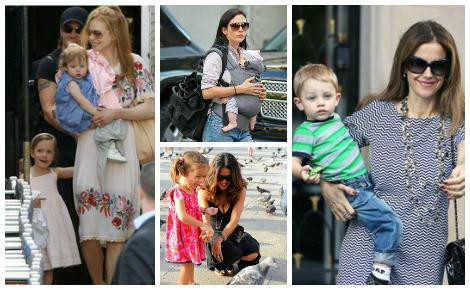 January 2008 -- Geena Davis did it. So did Emma Thompson and Susan Sarandon.
Now, Nicole Kidman is joining the swelling ranks of women who have their first baby after the age of 40.
Only a century ago the average life expectancy for women was about 50, so a 35-year-old would have been an ageing matriarch with grandchildren in tow.
But now one in seven babies in Australia is born to a woman older than that as thousands hit the snooze button on parenting.
Maturity can bring a satisfying career, a healthy bank balance and a well-rounded sense of self, but women who become pregnant later in life also have a much greater risk of miscarriages, ectopic pregnancies, and stillbirths.
Older women are also more likely to have induced labour, epidural anaesthesia, forceps or vacuum deliveries, and caesarean sections. They have a one in 100 chance of having a child with chromosomal abnormalities such as Down syndrome.
A fertility specialist with IVF Australia, Michael Chapman, said yesterday that women aged 40 to 45 had a one in four chance of miscarrying.
Age and the miscarriage rate are linked because the older a woman gets, the older her eggs get. They become more fragile with age and have abnormalities, which can lead to miscarriage or disorders such as Down syndrome.
He said pregnant women in their 30s and 40s had a greater risk of hypertension and gestational diabetes, which often required intervention during labour.
One study showed first-time mothers older than 40 were 14 times more likely to have a caesarean than those under 30.
Most obstetricians encourage older women to have a caesarean section because their muscles are weaker and their tissues are less elastic,Dr Chapman said.
But the secretary of the NSW Midwives Association, Hannah Dahlen, said yesterday, women should not be deterred.
Older mothers are more likely to be educated and financially secure, more settled in themselves and more prepared to make the sacrifices required to be a mother,she said.
They are better able to negotiate care for their child, their children often do better in school, and it has also been shown in some studies women who have babies in their 40s live longer.
Read more: The risks - and rewards - when motherhood begins at 40
TODAY'S BOOK SUGGESTION:
 It Starts with the Egg:
How the Science of Egg Quality Can Help You Get Pregnant Naturally, Prevent Miscarriage, and Improve Your Odds in IVF
by Rebecca Fett
-- Whether you are trying to conceive naturally or through IVF, the quality of your eggs will have a powerful impact on how long it takes you to get pregnant and whether you face an increased risk of miscarriage.
Poor egg quality is emerging as the single most important cause of age-related infertility, recurrent miscarriage, and failed IVF cycles. It is also a major contributor to infertility in PCOS.
Based on a comprehensive investigation of a vast array of scientific research, It Starts with the Egg reveals a groundbreaking new approach for improving egg quality and fertility.
With a concrete strategy including minimizing exposure to toxins such as BPA and phthalates, choosing the right vitamins and supplements to safeguard developing eggs, and harnessing nutritional advice shown to boost IVF success rates, this book offers practical solutions to will help you get pregnant faster and deliver a healthy baby.
 Paperback: 304 pages
Click to order/for more info: It Starts with the Egg
Start reading It Starts with the Egg on your Kindle in under a minute!Don't have a Kindle? Get your Kindle here, or download a FREE Kindle Reading App.
 |
| When maternal age and number of previous miscarriages were taken into account, those women who were obese were shown to have a higher chance of a further miscarriage | Photo: PA |
Researchers at St Mary's Hospital in London found obese women who had suffered one miscarriage had a significantly increased risk of a further miscarriage compared to those who were of a normal weight.
The 11-year study investigated the effect of body mass index (BMI) on unexplained recurrent miscarriages.
The women had their BMI measured and were placed into one of four categories: underweight; normal; overweight; and obese.
Read more: Obese women at greater risk of repeat miscarriages
TODAY'S BOOK SUGGESTION:
It Starts with the Egg:How the Science of Egg Quality Can Help You Get Pregnant Naturally, Prevent Miscarriage, and Improve Your Odds in IVF
by Rebecca Fett
-- Whether you are trying to conceive naturally or through IVF, the quality of your eggs will have a powerful impact on how long it takes you to get pregnant and whether you face an increased risk of miscarriage.
Poor egg quality is emerging as the single most important cause of age-related infertility, recurrent miscarriage, and failed IVF cycles. It is also a major contributor to infertility in PCOS.
Based on a comprehensive investigation of a vast array of scientific research, It Starts with the Egg reveals a groundbreaking new approach for improving egg quality and fertility.
With a concrete strategy including minimizing exposure to toxins such as BPA and phthalates, choosing the right vitamins and supplements to safeguard developing eggs, and harnessing nutritional advice shown to boost IVF success rates, this book offers practical solutions to will help you get pregnant faster and deliver a healthy baby.
Paperback: 304 pagesClick to order/for more info: It Starts with the Egg
Start reading It Starts with the Egg on your Kindle in under a minute!Don't have a Kindle? Get your Kindle here, or download a FREE Kindle Reading App.
 |
| Newborn baby, by Joelle Inge-Messerschmidt/Photographybyjoelle.com |
Infertility Supportforum on TCOYF's [Taking Care of Your Fertility] website, a link to a free PDF manuscript of a very interesting book was posted:
Fertile-vs-Infertile-Book: How infections affect your fertility and your baby's health, by Attila Toth, M.D.
Dr. Toth wrote:
If you are in the midst of trying to have a family, this book will help you navigate through reproduction with the optimal possible outcome. If all that is behind you, in reading these pages you will understand why things worked out the way they did — why you never had children or if you had them, why they turned out the way they did.
This book discusses how untreated bacterial infections are often the cause of unexplained infertility, as well as miscarriages, stillbirths, sick babies and even cancer and heart disease.
The post containing this link was in response to a woman who mentioned her unexplained infertility was caused by a bacterial infection diagnosed in her husband's second semen analysis.
Their first doctor only tested for the usual stuff -- volume, motility, morphology.
The second doctor also tested for pathogens and found a raging infection with no symptoms.
This couple conceived immediately after their first round of antibiotics.
They wasted over a year because the first doctor did not test them for bacterial infections.
TODAY'S BOOK SUGGESTION:
 Taking Charge of Your Fertility, 10th Anniversary Edition:
The Definitive Guide to Natural Birth Control, Pregnancy Achievement, and Reproductive Health
by Toni Weschler
-- For any woman unhappy with her current method of birth control; demoralized by her quest to have a baby, or experiencing confusing symptoms in her cycle, this book provides answers to all these questions, plus amazing insights into a woman's body.
Weschler thoroughly explains the empowering Fertility Awareness Method, in only a couple minutes a day, allows a woman to:
• Enjoy highly effective, scientifically proven birth control without chemicals or devices
• Maximize her chances of conception or expedite fertility treatment by identifying impediments to conception
• Increase the likelihood of choosing the gender of her baby
• Gain control of her sexual and gynecological health
Paperback: 512 pagesClick to order/for more info: Taking Charge of Your Fertility
 |
Photo Credit: News.BBC.co.uk - All Rights Reserved |
A London School of Hygiene and Tropical Medicine team looked at 600 women who had miscarried and 6,000 whose pregnancies continued past 12 weeks.
They found that eating fruit and vegetables, and also chocolate, daily helped reduce the risk of miscarriage.
Full article: Thinness poses miscarriage risk
TODAY'S BOOK SUGGESTION:
 50 Things You Can Do Today to Increase Your Fertility
by Sally Lewis and Nim Barnes
-- Practical advice and a holistic approach to help you conceive, including simple dietary and lifestyle changes and do it yourself complementary therapies.
In this accessible and informative guide, Sally Lewis explains how age, sexual infections, diet, excess weight, stress, and anxiety affect fertility.
Teaching how to discover the best time for conception; understand the link between body, mind, and fertility; and manage stress and relax to prevent anxiety, this is the ultimate guide to increasing the likelihood of conception at any age.
Paperback: 128 pagesClick to order/for more info: 50 Things You Can Do Today to Increase Your Fertility
Start reading 50 Things You Can Do Today to Increase Your Fertility on your Kindle in under a minute!Don't have a Kindle? Get your Kindle here, or download a FREE Kindle Reading App.
 |
| Photo Credit: ABC.com - All Rights Reserved |
It's all about bottles, toys and boys for first-time mom Laurie Elpers.
Even though her time is divided by two, she has one word to describe life after twins - busy.
Elpers thought this may never happen.
She and her husband tried everything to get pregnant - she even suffered one miscarriage.
Twenty-five percent of pregnancies at least end in miscarriage and the risk of miscarriage increases with age,said Dr. Sanjay Agarwal with the Department of Reproductive Medicine at the University of California, San Diego.
Women, for example, that are over 40 have a one in three chance of miscarriage or 30 percent or more higher chance of pregnancy loss,explained Agarwal.
Once you know your risks, there are four fertility game-changers to boost your chances of getting and staying pregnant...
Read more
TODAY'S BOOK SUGGESTION:
 The 100 Healthiest Foods to Eat During Pregnancy: The Surprising Unbiased Truth about Foods You Should be Eating During Pregnancy but Probably Aren't
by Jonny Bowden Ph.D. C.N.S., Allison Tannis MS
-- Eat the best foods for your baby's development!
Nutrition is never more critical than during pregnancy. What you choose to put on your plate affects you and your baby's health not just in utero but for years to come.
However, many nutritional guidelines for pregnancy are complex, confusing, and offer an uninspiring list of things to eat for the next nine months.
Backed up by the latest nutritional research, this guide debunks pregnancy food myths and uncovers a number of surprising food choices that are superfoods for expectant mothers.
This one-of-a-kind nutrition reference guide is also packed with helpful quick-reference charts and sidebars, highlighting healthy (but no less delicious!) substitutes for commonly craved foods like ice cream and potato chips.
You'll also discover the most up-to-date research regarding pregnancy dilemmas, such as how to get more omega-3s from fish in your diet while avoiding mercury. It's pregnancy nutrition made easy!
Paperback: 320 pagesClick to order/for more info: The 100 Healthiest Foods to Eat During Pregnancy
Start reading The 100 Healthiest Foods to Eat During Pregnancy on your Kindle in under a minute!Don't have a Kindle? Get your Kindle here, or download a FREE Kindle Reading App.
 ABSTRACT
Background Implantation of the conceptus is a key step in pregnancy, but little is known about the time of implantation or the relation between the time of implantation and the outcome of pregnancy.
Results There were 199 conceptions, for 95 percent of which (189) we had sufficient data for analysis.
Of these 189 pregnancies, 141 (75 percent) lasted at least six weeks past the last menstrual period, and the remaining 48 pregnancies (25 percent) ended in early loss.
Among the pregnancies that lasted 6 weeks or more, the first appearance of chorionic gonadotropin occurred 6 to 12 days after ovulation; 118 women (84 percent) had implantation on day 8, 9, or 10. The risk of early pregnancy loss increased with later implantation.
Among the 102 conceptuses that implanted by the ninth day, 13 percent ended in early loss.
This proportion rose to 26 percent with implantation on day 10, to 52 percent on day 11, and to 82 percent after day 11.
Conclusions In most successful human pregnancies, the conceptus implants 8 to 10 days after ovulation.
The risk of early pregnancy loss increases with later implantation.
Full Text: Time of Implantation of the Conceptus and Loss of Pregnancy
TODAY'S BOOK SUGGESTION:
 Fertility Wisdom: How Traditional Chinese Medicine Can Help Overcome In-fertility
-- At Wu's Healing Center in San Francisco, miracles are happening.
Women and their partners come to the clinic--often from across the country -- to fulfill a passionately held yet fragile dream: to conceive and deliver the healthy baby that mainstream doctors have told them they cannot have.
Using traditional Chinese medical techniques, sometimes integrated with Western fertility treatments, Dr. Angela Wu is helping these couples experience the miracle of birth.
At a time when one in five U.S. couples is struggling with fertility problems, this practical and uplifting volume, filled with the inspirational stories of Dr. Wu's grateful patients, will be a godsend.
Paperback: 256 pagesClick to order/for more info: Fertility Wisdom: How Traditional Chinese Medicine Can Help Overcome In-fertility
Start reading Fertility Wisdom on your Kindle in under a minute!Don't have a Kindle? Get your Kindle here, or download a FREE Kindle Reading App.
 |
| Photo credit: Fasting - Empty Plate, by RitaE |
That's the implication of two new studies which suggest that restricting food may offset some of the loss of egg quality and quantity that comes with aging.
The findings may even enable new eggs to be created from scratch.
It's not yet clear whether the findings extend to humans, but a better understanding of the mechanisms involved might eventually make it easier for older women to bear children.
In the first study, Jonathan Tilly and his colleagues at Harvard Medical School reduced the calorie intake of adult female mice by 40 per cent and found that significantly fewer of their eggs had abnormal chromosomes once the mice reached the age of 12 months – advanced reproductive years in mouse terms – compared with mice that were allowed to eat as much as they liked.
Such abnormalities in eggs are known to increase the risk of miscarriage and birth defects in older mothers, both mouse and human.
Journal references: Tilly: Moderate caloric restriction initiated in rodents; Van Gilst: Starvation Protects Germline Stem Cells and Extends Reproductive Longevity
Source: Fasting could extend female fertility
TODAY'S BOOK SUGGESTION:

 Ovulation Diet: Trying To Conceive By Eating Fertility Boosting Foods Eating To Get Pregnant Guide
 by Dana Tebow
-- This book is just what you need if you are having trouble getting pregnant. Dana's book provides all the well-meaning advice you could find.
But do not be fooled by the kind manner in which she presents her advice, because this book is filled with the fruitage of many months of careful research.
Dana begins with basics of explaining what ovulation is. This is the most crucial aspect of understanding how the ovulation diet works.
Once the foundation has been laid, Dana next explains what Cervical Mucus is, and its role in helping you conceive the child you have always wanted.
Dana even explains the foods that will help you become more fertile. Best of all, she presents a few of the methods that have been tried and proven to help women get pregnant.
Paperback: 24 pagesClick to order/for more info: Ovulation Diet
 |
| Pregnancy And Newborn by Petr Kratochvil |
When evaluating the patient who presents with increasing levels of HCG, clinical decisions are facilitated by the well-defined curve of expected hCG rise.
This curve, first described by Kadar et al, recently has been redefined.
A 53% increase in HCG concentration in 2 days, rather than a 66% increase, is now considered the lower limit of normal and defines a viable intrauterine pregnancy (K.T. Barnhart et al, in press).
A slower rate of increase from this expectation suggests a nonviable pregnancy and prompts intervention to distinguish an ectopic pregnancy from miscarriage
Full Abstract
TODAY'S BOOK SUGGESTION:

Ready: Why Women Are Embracing The New Later Motherhood
by Elizabeth Gregory
-- Over the past three decades, skyrocketing numbers of women have chosen to start their families in their late thirties and early forties.
In 2005, ten times as many women had their first child between the ages of 35 and 39 as in 1975, and thirteen times as many had their first between 40 and 44.
Women now have the option to define for themselves when they're ready for family, rather than sticking to a schedule set by social convention.
As a society, however, we have yet to come to terms with the phenomenon of later motherhood, and women who decide it makes sense for them to delay pregnancy often find themselves confronted with alarmist warnings about the dangers of waiting too long.
In Ready, Elizabeth Gregory tracks the burgeoning trend of new later motherhood and demonstrates that for many women today, waiting for family works best.
She provides compelling evidence of the benefits of having children later -- by birth or by adoption.
Paperback: 336 pagesClick to order/for more info: Ready - US | CDN | UK
Start reading Ready on your Kindle in under a minute! Don't have a Kindle? Get your Kindle here, or download a FREE Kindle Reading App.
 Treatment of Antinuclear Antibodies
Women with ANA are treated with prednisone, a corticosteroid, which suppresses the inflammatory process and stabilizes the cell.
Prednisone does not pass through the placenta easily and is also broken down by enzymes in the placenta so that the fetus is exposed to only trace amounts.
Additionally, the body produces the equivalent of 8 mg per day of this corticosteroid. When indicated, Prednisone should be started prior to conception.
Treatment for Antiphospholipid Antibodies
Antiphospholipid antibodies are treated with low dose (baby) aspirin and a blood thinner called Heparin. Heparin is a very large molecule and is unable to cross the placenta. Aspirin is able to cross the placenta but the dose used is so small that the fetus is unaffected.
The effectiveness of treatment is much greater when the medication, if indicated, is started prior to conception and continued throughout the pregnancy. All medication, if indicated should be discussed with one's physician.
Treatment for Antithyroid AntibodiesIn IVF patients, antithyroid antibodies (ATAs) are treated with intravenous immune globulin (IVIg) before the IVF transfer. There is no specific treatment for ATA in patients with recurrent miscarriage unless it is associated with other abnormalities.
Treatment for Immunophenotypes
Women who have an elevation of NK cells are candidates for immunologlobulin G infusion (IVIg). The dosage of IVIg is 400 mg/kg/day for three consecutive days, monthly, until the NK cells become normal or until the 28th week of pregnancy.
In some studies, autoantibodies to phospholipid and nuclear epitopes were demonstrably lower after IVIg. Some researchers have used Enbrel, a TNF alpha inhibitor, instead of, or in addition to IVIg. Presently, there is not enough data to assess the true efficacy of Enbrel therapy.
Full article: Rialab.com
Photo Credit: RiaLab.com
All Rights Reserved
TODAY'S BOOK SUGGESTION:

 Marriages and Miscarriages: One Woman's Personal Experience
by Kathleen Smith
-- Kathleen Smith shares her experience regarding the three pregnancy losses she experienced.
The trials and emotional changes, the feelings experienced when being around other pregnant woman after having had a pregnancy loss, how turning to God got her through them, and more.
Kathleen, a mother of three and entering her sixteenth year of marriage, relates her personal feelings and emotions.
As you read the book you will experience a conversation with Kathleen about this topic, and learn how one woman dealt and struggled with this topic.
Paperback: 80 pagesClick to order/for more info: Marriages and Pregnancy Losses
Start reading Marriages and Pregnancy Losses on your Kindle in under a minute! Don't have a Kindle? Get your Kindle here, or download a FREE Kindle Reading App.
 |
| Photo credit: baby aspirin, by looseid |
Note: these women received 20mg/day of prednisone for up to 12 weeks, plus 100mg/day of aspirin until the end of their seventh month.
Habitual abortions in 678 healthy patients: investigation and prevention
The objective of this study of patients with habitual abortion (HA), was to determine their autoimmune profile and to try to prevent new abortions using low-dose aspirin for 7 months with prednisone in the first trimester only, or with low-dose aspirin alone.
Habitual abortion (HA) may be associated with anatomic, genetic, or hormonal abnormalities, or autoimmune diseases, such as systemic lupus erythematosus or antiphospholipid syndrome.
Prednisone and aspirin treatment have the same success rate in both autoantibody-negative and autoantibody-positive women. The results presented here confirm those of a recent study (Geva et al., 1998).
In autoantibody-negative women, the rate of live births in the group of women treated with prednisone in the first trimester and aspirin until the end of the seventh month was significantly increased compared with women treated with aspirin alone: 90.7% of women (146 out of 161) treated with prednisone and aspirin had live births compared with 74.5% of women (47 out of 63) treated with aspirin alone.
In autoantibody-positive women (45 out of 53) the rate of live births was 84.9%; there was no significant difference in the rate of live births between autoantibody-negative and autoantibody-positive women.
As observed in women with aCL greater than 30 uGPL, prednisone plus aspirin appeared to be less successful than in a group of aCL 30 uGPL, it is suggested that in the former group, after prednisone is stopped, heparin should be considered if the aCL titre rises. With lupus anticoagulant, heparin should be the treatment of choice as heparin is superior to low-dose aspirin (Kutteh et al., 1996; Di Simone et al., 1997).
Read the full article

 I Never Held You: Miscarriage, Grief, Healing and Recovery
by Ellen M. DuBois
-- Speaks to the heart of women, their families and friends who have either lived through the pain and grief after pregnancy loss, or who want to better support someone who has.
Author Ellen M. DuBois shares her own painful journey after loss taking you from her darkest moments of grief, despair, isolation, anxiety, fear and depression to the steps she took towards healing and recovery.
Her suggestions prove to be helpful in balancing the emotional peaks and valleys after suffering such a heartbreaking loss.
I Never Held You validates your grief after losing a baby to loss, and assures you that you're not alone in your struggle.
With the help of contributing author Dr. Linda Backman, Ed.D., licensed grief counselor, psychologist and author, you'll come to better understand grief - and why it's so important to allow yourself the time necessary to heal.
Paperback: 150 pagesClick to order/for more info: I Never Held You
Start reading I Never Held You on your Kindle in under a minute! Don't have a Kindle? Get your Kindle here, or download a FREE Kindle Reading App.

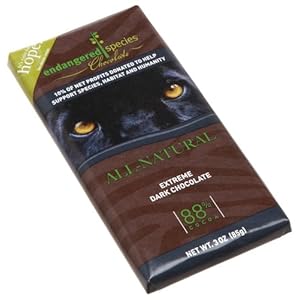
Eating dark chocolate just might be good for you! You may be shocked to learn that dark chocolate has more health-promoting plant flavonoids than even broccoli or Brussels sprouts.
In fact, in a recent study, dark chocolate beat out green tea, red wine and blueberries in antioxidant levels. The chemicals found dark chocolate might have positive effects on everything from blood vessels, heart and brain to exercise - endurance and longevity.
In one two-week study, scientists found that flavonoid-rich dark chocolate improves the ability of blood vessels to expand (dilate) in response to a greater flow of blood. The more easily vessels dilate, the better blood flows to heart, brain and other organs.
Two studies of young and elderly women found that chocolate did indeed increase blood flow to the brain, even in older women with high cholesterol. Since blood flow to the reproductive organs is one of the major problems for women over 40, this sounds like good news!
It might even help those who are still smoking and those who need to take meds due to clotting leading to miscarriage. In another study involving smokers, researchers found that eating 2 ounces of dark chocolate not only improved blood flow for eight hours, but also reduced the activity of platelets, which causes blood to clot.
Chocolate is highest in magnesium of all foods. Craving chocolate is often a sign of magnesium deficiency. Chocolate-lovers have lower blood pressure.
Plus, chocolate simply makes us feel good. It contains a number of chemicals thought to raise mood, and even inhaling the smell of chocolate seems to reduce theta-wave activity in the brain, inducing a sense of relaxation.
So to all those who tell you to "just relax", tell them to go buy you some chocolate!
More...
Scientists have conducted a number of studies on dark chocolate in recent years in order to sort through these claims. What they have discovered will not only surprise you, but may forever change the way you think about, buy, and eat chocolate.
Chocolate can elevate your mood. As for chocolate’s mood-altering properties—carbohydrates present in the sweet can raise serotonin levels in the brain and lead to a feeling of well-being. (Note: Serotonin is important to fertility!)
Chocolate contains flavonoids and anti-oxidants. According to these studies, chocolate is chock-full of flavonoids—naturally-occurring compounds found in the cacao plant, as well as in red wine, tea, fruits and vegetables. Recent research suggests that these flavonoids may have potentially beneficial effects on cardiovascular health. They may also act as antioxidants, which are believed to prevent or delay certain damage to the body’s cells and tissues. (Note: Antioxidants are important to fertility!)
Choosing Healthy Chocolates. As some recent studies suggest, chocolate—in moderation—may be good for your health. For instance, chocolate contains antioxidants (which may help prevent cardiovascular disease) and stearic acid (which may increase levels of HDL "good" cholesterol).
Not all chocolate is healthy. A single bar of dark chocolate contains more than twice as many antioxidants as a bar of milk chocolate. Also, dark chocolate harbors fewer calories than milk chocolate. Milk chocolate is much higher in saturated fats and calories simply because it contains milk. Also, it contains fewer cocoa solids per ounce (and thus fewer antioxidants). In fact, it takes four cacao seeds to make one ounce of milk chocolate and 12 seeds to make one ounce of dark chocolate. About the only health advantage milk chocolate has over dark chocolate is that is contains calcium.
Read more: Chocolate Health Facts
Photo credit: Lindton Amazon.com
All rights reserved
TODAY'S BOOK SUGGESTION:

 Green Tea in the Woman's World - Green Tea and Fertility
by Vida C. Marcele
-- Water is the number one drink in the world, but tea is the second most popular. At the rate that green tea is going, it may become the most often drunk of all the teas.
The antioxidants that green tea provides have helped increase the popularity of green tea in North America and around the world.
New studies of the medicinal benefits of green tea and a focus in American society on being healthier and fighting obesity has led to a surge in popularity of green tea.
In addition, the aging baby boomers are focusing on being healthy later in life and looking for ways to prevent common health problems like heart disease and cancer.
Today the question is: what is green tea's role in the woman's world? What does green tea do for fertility levels?
Should a pregnant woman drink more green tea in order to be healthier during the term of the pregnancy? What about when she is breastfeeding?
Length: 17 pages
Start reading Green Tea in the Woman's World on your Kindle in under a minute! Don't have a Kindle? Get your Kindle here, or download a FREE Kindle Reading App.
Popular Posts
-
 Found this post by Ally (Ocelot Cub) on FertilityFriends.co.uk : Ally wrote: I have collected a number of success stories from ladies w...
 -
 Menopause is the time in a woman's life when her reproductive system shuts down and her reproducing days are over... or are they? For s...
 -
 In her early 40s, Deborah Walker still had hopes of becoming a mom. Like many of her peers, she'd chosen to first focus on her caree...
 -
 Fertility Supplement Bundle Our diet is one of the most important factors when it comes to trying to have a baby. Making sure we watch...
 -
 A Zen thought ... A true expert is not the one with the most knowledge, but one who causes the most others to have knowledge. Questions, ...
 -
 Can you lower your FSH? Can you improve your egg quality? Doctors will say you can't. Tour eggs are as old as you are, and nothing ...


Recent Comments