 |
| Photo credit: aimeeraupp.com - All rights reserved |
Eat Liver. Yes, liver. Contrary to popular belief, liver is not the
toxic organ, rather it is the
detoxifier. The liver helps remove impurities from one’s system, but it does not hold onto those impurities.
I love liver for helping women get pregnant because it's an amazing source of folate (the active form of folic acid), all your B vitamins, choline (a substance imperative for optimal fetal development) and loads of antioxidants like inositol (which has been shown to improve egg quality in women undergoing In Vitro Fertilization procedures).
I recommend eating 3 ounces of liver per week. If you can't imagine eating liver, you can take it in pill form as recommended in my book.
Eat Eggs. Eggs are one of the most nutrient dense foods that exist; especially eggs from pastured hens. They are abundant in fertility-enhancing omega-3 fatty acids, vitamin A, Vitamin E, and choline. As I mentioned when discussing liver, choline is an essential nutrient for optimal fetal development.
As well, it’s imperative for young women trying to conceive to have a diet rich in choline as, during pregnancy, the body's demand for choline is the highest. I recommend women eat between 8 to 12 eggs per week. Be sure these eggs are organic and from pastured hens.
Take Cod Liver Oil. Cod liver oil is an oil from fish; however, it is different from fish oil. Both fish oil and cod liver oil are great sources of omega-3 fatty acids, however, cod liver oil also contains vitamins A and D, which are fat-soluble vitamins important to fertility and conception.
Most people are suffering from vitamin D deficiencies these days. If this is you, then I recommend cod liver oil over fish oil. Take cod liver oil in capsule or liquid form daily--and be sure to take an amount that delivers 2,000 IU of vitamin D.
TODAY'S BOOK SUGGESTION:
 Yes, You Can Get Pregnant: The Diet That Will Improve Your Fertility Now and Into Your 40's
by Aimee E. Raupp
-- Worried about your ability to have children in the next five years?
Have you been trying to get pregnant for a while now and it's just not happening?
Does it seem like every woman you know is having a hard time getting pregnant and you don't want that to be you when you're ready?
If you answered yes to any one of these questions, Aimee's second book, Yes, You Can Get Pregnant: The Diet That Will Improve Your Fertility Now and Into Your 40s, was written for you.
Whether you're in your 20s, 30s or 40s, this book will give you all the nutritional information you need to keep your baby-making machinery in tip-top shape.
 Paperback: 52 pages
Click to order/for more info: Yes, You Can Get Pregnant
 |
| Photo credit: Meat Soup, by Fabrizio Morroia |
Researchers from the USA have found that a diet containing 25% protein disrupted the normal genetic imprinting pattern in mice embryos at a very early stage in their development. The diet also adversely affected subsequent embryo implantation in the womb and foetal development.
Previous research has shown the amount of protein in the diet affects the levels of ammonium within the female reproductive tract in cows and mice. It is known that ammonium adversely affects mouse embryos developed in culture in the laboratory, inducing altered imprinting of the H19 gene and retarding foetal development. The H19 gene, found on chromosome 7, is an important gene involved in growth.
Normally, genes act in the same way, whether they are transmitted by the mother or the father. But, a few genes break this genetic rule.
Whether they are switched on (expressed) or off depends on whether they are inherited from the mother or the father. The process of inheriting specifically from the mother or the father is called imprinting.
Source: European Society of Human Reproduction and Embryology
Full article: Sciencedaily.com
TODAY'S BOOK SUGGESTION:
 Inconceivable: A Woman's Triumph over Despair and Statistics
by Julia Indichova
-- A memoir of hope for the thousands of women struggling with infertility, from one who beat the odds by simply tuning in to her body, and tapping her well of sheer determination.
At a time when more and more women are trying to get pregnant at increasingly advanced ages, fertility specialists and homeopathic researchers boast endless treatment options.
But when Julia Indichova made the rounds of medical doctors and nontraditional healers, she was still unable to conceive a child.
It was only when she forsook their financially and emotionally draining advice, turning inward instead, she finally met with reproductive success. Inconceivable recounts this journey from hopeless diagnoses to elated motherhood.
Anyone who has faced infertility will relate to Julia's desperate measures: acupuncture, unidentifiable black-and-white pellets, herb soup, foul-smelling fruit, even making love on red sheets.
Five reproductive endocrinologists told her there was no documented case of anyone in her hormonal condition getting pregnant, forcing her to finally embark on her own intuitive regimen.
After eight caffeine-free, nutrient-rich, yoga-laden months, complemented by visualization exercises, Julia received amazing news; incredibly, she was pregnant.
Nine months later she gave birth to a healthy girl.
Paperback: 208 pagesClick to order/for more info: Inconceivable
Start reading Inconceivable on your Kindle in under a minute! Don't have a Kindle? Get your Kindle here, or download a FREE Kindle Reading App.
 |
| Photo credit: A steak being cut up with a knife, by Klaus Post |
-- Women on the Atkins diet, or a low-carbohydrate /high-protein diet, may have a lower chance of conceiving than those women who follow a regular diet.
Research has shown that mice which were fed a high-protein diet conceived less frequently.
As well, the mice that did conceive on a high-protein diet, had a higher rate of difficulty with their embryos in the early stages of development.
Source: Joseph Brean, National Post
On the other hand...
High Protein, Low Carb Diets Greatly Improve Fertility
-- A diet rich in proteins appears to have a pronounced positive effect on fertility, according to new research presented today at the Annual Clinical Meeting of The American College of Obstetricians and Gynecologists.
Women undergoing in vitro fertilization (IVF) treatments who consumed high levels of protein and low levels of carbohydrates had better quality eggs and embryos.
Source: High Protein, Low Carb Diets Greatly Improve Fertility
TODAY'S BOOK SUGGESTION:
 Fertility Facts
by Conceive Magazine Editors
-- The ultimate compendium of pre-pregnancy advice, essential not only for the one in six couples struggling with fertility challenges, but also for anyone starting a family.
This chunky volume offers hundreds of ways, sourced from doctors and the latest research by the experts at Conceive Magazine, for women to conceive faster.
Each page offers a new and often surprising tip: women should avoid taking ibuprofen, while men looking to increase sperm count should double up on pumpkin seeds!
With this highly accessible reference in hand, readers will be one step closer to parenthood.
Paperback: 312 pagesClick to order/for more info: Fertility Facts
-- Start reading Fertility Facts on your Kindle in under a minute! Don't have a Kindle? Get your Kindle here, or download a FREE Kindle Reading App.
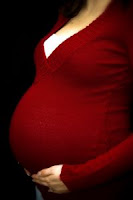 Most people are already very familiar with the foods that pregnant women must avoid – alcohol, excess caffeine, raw seafood, and the like – but few take pause to think about what they should consume. Experts generally recommend that pregnant women stick with the portions recommended by the USDA’s Food Pyramid guidelines, with specific boosts to certain nutrients such as iron, folic acid, fiber, Vitamin C, protein, calcium, Vitamin A, magnesium, and a few others.
These extremely valuable substances help both mother and child healthy and safe by promoting blood flow, building tissues in the brain and other organs, fortifying the immune system, strengthening bones and teeth, allowing for better vitamin absorption, and numerous other benefits. The following foods ought to find their way into a pregnancy diet, even if some of them must be ingested in moderation or within certain parameters.
Read more
Photo credit: bjearwicke
TODAY'S BOOK SUGGESTION:

 Surviving In-vitro Fertilization: IVF Stories and Inspiration from the Women who have been there
by Karen Daniels
-- True IVF stories and inspiration from the women who have been there. In-vitro fertilization is not a journey you need to take alone.
The women in this book who share their stories, thoughts, and lessons learned, have been in the IVF trenches - some for long periods of time.
We call them the IVF veterans.
They've struggled, cried, laughed, and inspired.
Let their experience guide you through the process and use their knowledge and tips as a beacon of insight for your own journey.
In-vitro fertilization is, on your best days, a journey that empowers you toward your ultimate goal of being a mom.
Paperback: 117 pagesClick to order/for more info: Surviving In-vitro Fertilization
Start reading Surviving In-vitro Fertilization on your Kindle in under a minute!Don't have a Kindle? Get your Kindle here, or download a FREE Kindle Reading App.
 Scientists have said that women might now be able to conceive at an age past child-bearing, all thanks to a new treatment that is expected to come up in the next ten years. Scientists have discovered a protein that they believe can be developed into a pill or even an injection to extend the life of the eggs in the ovary.
This could lead to a fertility revolution, as women would be able to wait longer to have a child.
Read more: http://www.healthjockey.com/2007/06/12/older-women-may-soon-be-able-to-conceive/
Life Begins... - Miscarriage stories of loss, hope & help
Pregnancy Stories by Age - Daily blog of hope & inspiration!
Stories of Pregnancy over 44 years old - sharing stories I find online, for inspiration!
Pregnancy Stories by Age - Daily blog of hope & inspiration!
Stories of Pregnancy over 44 years old - sharing stories I find online, for inspiration!
Recent Keyword Searches: perimenopausal egg freeze, how one can get pregnant, having babies over age 40, symptom mid cycle spotting diminished ovarian reserve, statistics on women have children over 40
 Eating the right foods can counter ovulatory infertility.
Approximately 10 million couples have sought help for infertility, and delays in conception are common today. A number of factors ranging from endometriosis and pelvic inflammatory disease in women to medication and drug use in males contribute to infertility. In addition to fertility testing, healthy diet and lifestyle can increase your chances of success.
Read more: http://www.tasteforlife.com/content/default.asp?artid=2163&title=Foods_for_Fertility
Life Begins...
Miscarriage stories of loss, hope & help
http://born2luv.blogspot.com/
Stories of Pregnancy & Birth over 44y
- Daily blog of hope & inspiration!
http://pregnancyover44y.blogspot.com/
5,000 Stories of Pregnancy & Birth over 44y
Daily blog of hope & inspiration!
http://pregnancyover44y.blogspot.com/
Recent Keyword Searches: can a 41 year old get pregnant with her own eggs, can you get pregnant in postmenopausal, can a woman get pregnant during menopause, having chidren in your 40s, help me get pregnant at age 45
Picture by ockstockb
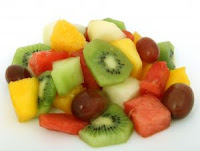 THE LIFESTYLE MATTERS: A recent Harvard study found women who followed a regimen that affected five or more lifestyle factors had a more than 80-percent less relative risk of infertility due to ovulatory disorders compared to women who didn't follow the regimen.
Life Begins...
Miscarriage stories of loss, hope & help
http://born2luv.blogspot.com/
Stories of Pregnancy & Birth over 44y
- Daily blog of hope & inspiration!
http://pregnancyover44y.blogspot.com/
4,800 Stories of Pregnancy & Birth over 44y
Daily blog of hope & inspiration!
http://pregnancyover44y.blogspot.com/
 THE LIFESTYLE MATTERS: A recent Harvard study found women who followed a regimen that affected five or more lifestyle factors had a more than 80-percent less relative risk of infertility due to ovulatory disorders compared to women who didn't follow the regimen.
 The research team used a scoring system that included dietary and lifestyle factors like protein consumption, carbohydrate consumption, the ratio of monounsaturated fats to trans fats consumed, body mass index (BMI) and physical activity.
Full story: http://abclocal.go.com/wls/story?section=news/health&id=6664647
Full story: http://abclocal.go.com/wls/story?section=news/health&id=6664647
Life Begins...
Miscarriage stories of loss, hope & help
http://born2luv.blogspot.com/
Stories of Pregnancy & Birth over 44y
- Daily blog of hope & inspiration!
http://pregnancyover44y.blogspot.com/
4,800 Stories of Pregnancy & Birth over 44y
Daily blog of hope & inspiration!
http://pregnancyover44y.blogspot.com/
Photo by www.goodtoknow.co.uk
 If you love snacking, then this is the diet for you because you have to eat every 13 minutes. By speeding up your metabolism you can lose 7lbs in two weeks, and may even boost your fertility.
What is it?
The 13-minute diet was created by Norah Lane, founder of Vitaline Slimming Clubs, and is designed to speed up your metabolism. It's a 14-day plan that will suit snackaholics down to the ground as you literally get to eat every 13 minutes!
According to Norah Lane, it might even boost your fertility if you suffer from Polycystic Ovary Syndrome (PCOS). On average, you'll lose around 7lbs in two weeks.
How does it work?
Norah believes some overweight people don't eat enough food to keep their metabolic rate working. She reckons snacking every 13 minutes will keep your metabolism working at a steady pace.
By eating low-calorie tiny snacks very regularly, you curb hunger. Eating raw vegetables bombards your body with essential vitamins while eating regular protein will help you feel full as protein is the most filling nutrient.
According to Norah, women who suffer from PCOS have slow metabolisms. So by snacking so regularly, and speeding up your metabolism, you might even increase your chances of conceiving!
Full story: http://www.goodtoknow.co.uk/diet/132447/Eat-Every-13-Minutes-Diet
Life Begins...
Miscarriage stories of loss, hope & help
http://born2luv.blogspot.com/
Stories of Pregnancy & Birth over 44y
- Daily blog of hope & inspiration!
http://pregnancyover44y.blogspot.com/
4,750 Stories of Pregnancy & Birth over 44y
Daily blog of hope & inspiration!
http://pregnancyover44y.blogspot.com/
Recent Keyword Searches: can you have ivf after menopause, can marijuana hurt pregnancy, can melatonin effect my menstrual cycle, chance of a 40 years old to get pregnant first child, is it safe to get pregnant at the age of 38
 If you love snacking, then this is the diet for you because you have to eat every 13 minutes. By speeding up your metabolism you can lose 7lbs in two weeks, and may even boost your fertility.
What is it?
The 13-minute diet was created by Norah Lane, founder of Vitaline Slimming Clubs, and is designed to speed up your metabolism. It's a 14-day plan that will suit snackaholics down to the ground as you literally get to eat every 13 minutes!
According to Norah Lane, it might even boost your fertility if you suffer from Polycystic Ovary Syndrome (PCOS). On average, you'll lose around 7lbs in two weeks.
How does it work?
Norah believes some overweight people don't eat enough food to keep their metabolic rate working. She reckons snacking every 13 minutes will keep your metabolism working at a steady pace.
By eating low-calorie tiny snacks very regularly, you curb hunger. Eating raw vegetables bombards your body with essential vitamins while eating regular protein will help you feel full as protein is the most filling nutrient.
According to Norah, women who suffer from PCOS have slow metabolisms. So by snacking so regularly, and speeding up your metabolism, you might even increase your chances of conceiving!
Full story: http://www.goodtoknow.co.uk/diet/132447/Eat-Every-13-Minutes-Diet
Life Begins...
Miscarriage stories of loss, hope & help
http://born2luv.blogspot.com/
Stories of Pregnancy & Birth over 44y
- Daily blog of hope & inspiration!
http://pregnancyover44y.blogspot.com/
4,750 Stories of Pregnancy & Birth over 44y
Daily blog of hope & inspiration!
http://pregnancyover44y.blogspot.com/
Recent Keyword Searches: can you have ivf after menopause, can marijuana hurt pregnancy, can melatonin effect my menstrual cycle, chance of a 40 years old to get pregnant first child, is it safe to get pregnant at the age of 38
Researchers at the Harvard School of Public Health have created buzz with their new – and controversial – book, The Fertility Diet.
The book doesn't actually come right out and claim that the new Harvard diet is a cure for infertility. But that's the message desperate couples could be forgiven for getting, given its title, some of the authors' public statements, the intense media hype and, of course, the clout of almost anything with the Harvard imprimatur. That's why some critics are upset.
The book, by epidemiologists Drs. Walter Willett and Jorge Chavarro and writer Patrick J. Skerrett, is based on the authors' research, published in the November issue of Obstetrics and Gynecology.
In that paper, the authors reported on 17,544 women participating in the Nurses' Health Study who recorded their diets and their quests to get pregnant in biennial questionnaires.
The study found that women had a lower risk of infertility because of anovulation – the failure to produce a viable egg every month – if they ate a diet that emphasized monounsaturated fats like olive oil; vegetable proteins such as those found in beans and nuts; whole grains; some whole milk, a little ice cream or other high-fat dairy products daily; multivitamins containing folic acid; and iron from plants and supplements.
The study is groundbreaking because it "is one of the first times that anyone has shown that what you eat and drink can impact the reproductive system," said Alice Domar, a psychologist who heads the Domar Center for Mind/Body Health at Boston IVF, one of the country's largest infertility centers.
Is the leap too large?
But it's a huge leap to go from a statistical correlation to actually giving advice. The authors veer toward prescription when they say, "We have discovered 10 simple changes that offer a powerful boost in fertility for women with ovulation-related infertility." Ditto, in a cover story they wrote for the Dec. 10 issue of Newsweek, when they said their recommendations are aimed at preventing and "reversing" infertility – a conclusion Dr. Willett defended in an interview.
Observational studies like the Nurses' Health Study do not prove that a behavior causes or prevents a health problem, only that it might do so. To prove that diet affects fertility, researchers would have to take a group of women with diagnosed infertility and randomly put half on a special diet and half on a regular diet and compare conception rates.
This would be an interventional study, which would have come closer to the "gold standard" of medical research and would have provided the solid ground to offer advice. Such a study could also show how long a woman would need to eat this way to affect her fertility.
So where's the harm in a little hype? Because the diet is basically a healthy one, except for the controversial suggestion to eat more high-fat dairy, including ice cream, it is unlikely to cause direct harm. But a woman who follows the diet and still doesn't get pregnant may blame herself, even though the diet isn't proven effective.
Worse yet, a woman may follow the diet and postpone seeing a doctor.
"If you're 22 and you follow this diet for six months, that's no big deal. But if you're 42, you can't afford to postpone seeing a doctor and try this diet in the meantime," said Ms. Domar.
Heartache for many
Dr. Gil Wilshire, a reproductive endocrinologist at Boone Hospital Center in Columbia, Mo., put it even more strongly: "This book is blatantly irresponsible. I am going to be cleaning up the damage from this book for years to come. I will be having women who wasted one, two, three years of their lives with imprecise, ineffective treatment. Those are precious years you can't get back."
But the book has obvious market appeal. Infertility is a source of heartache for more than 6 million American couples, although infertility because of problems with ovulation only accounts for about a quarter of these cases. The diet won't help if male biology – such as inadequate production of viable sperm – is the problem, as the authors note.
All this said, the observations make biological sense, particularly the idea that certain foods may influence levels of hormones involved in ovulation and conception.
The ice cream recommendation is surprising, Dr. Willett acknowledged, and a bit tricky to explain. But his research suggested that "higher-fat dairy products were related to better fertility and lower-fat dairy was related to lower fertility. The reason? We're only speculating, but it may well be that the relatively modest amounts of estrogen and progesterone that are present in the fatty part of whole milk can have a positive effect on fertility," he said.
The Harvard team is not recommending a switch to high-fat dairy for a whole lifetime – if consumed long term, high-fat dairy products can increase the buildup of fatty plaques in artery walls, contributing to heart attacks.
The take-home message? If you're having trouble getting pregnant, see your doctor before you hit the bookstore.
Source
TODAY'S BOOK SUGGESTION:

 The Fertility Diet: Groundbreaking Research Reveals Natural Ways to Boost Ovulation and Improve Your Chances of Getting Pregnant
by Jorge Chavarro, Walter Willett, Patrick Skerrett
-- Reveals startling new research from the landmark Nurses' Health Study, which shows that the food you eat can boost your fertility.
The book prescribes ten simple changes in diet and activity that can increase your chances of getting pregnant.
Groundbreaking findings into changes you can put into practice today, setting the stage for a healthy pregnancy and forming the foundation for an eating strategy that will serve you well for the rest of your life.
The Fertility Diet also offers a week's worth of meal plans and delicious recipes that will make following the guidelines easy and tasty.
Paperback: 288 pages
Click to order/for more info: The Fertility Diet
Start reading The Fertility Diet on your Kindle in under a minute!
Don't have a Kindle? Get your Kindle here, or download a FREE Kindle Reading App.
The book doesn't actually come right out and claim that the new Harvard diet is a cure for infertility. But that's the message desperate couples could be forgiven for getting, given its title, some of the authors' public statements, the intense media hype and, of course, the clout of almost anything with the Harvard imprimatur. That's why some critics are upset.
The book, by epidemiologists Drs. Walter Willett and Jorge Chavarro and writer Patrick J. Skerrett, is based on the authors' research, published in the November issue of Obstetrics and Gynecology.
In that paper, the authors reported on 17,544 women participating in the Nurses' Health Study who recorded their diets and their quests to get pregnant in biennial questionnaires.
The study found that women had a lower risk of infertility because of anovulation – the failure to produce a viable egg every month – if they ate a diet that emphasized monounsaturated fats like olive oil; vegetable proteins such as those found in beans and nuts; whole grains; some whole milk, a little ice cream or other high-fat dairy products daily; multivitamins containing folic acid; and iron from plants and supplements.
The study is groundbreaking because it "is one of the first times that anyone has shown that what you eat and drink can impact the reproductive system," said Alice Domar, a psychologist who heads the Domar Center for Mind/Body Health at Boston IVF, one of the country's largest infertility centers.
Is the leap too large?
But it's a huge leap to go from a statistical correlation to actually giving advice. The authors veer toward prescription when they say, "We have discovered 10 simple changes that offer a powerful boost in fertility for women with ovulation-related infertility." Ditto, in a cover story they wrote for the Dec. 10 issue of Newsweek, when they said their recommendations are aimed at preventing and "reversing" infertility – a conclusion Dr. Willett defended in an interview.
Observational studies like the Nurses' Health Study do not prove that a behavior causes or prevents a health problem, only that it might do so. To prove that diet affects fertility, researchers would have to take a group of women with diagnosed infertility and randomly put half on a special diet and half on a regular diet and compare conception rates.
This would be an interventional study, which would have come closer to the "gold standard" of medical research and would have provided the solid ground to offer advice. Such a study could also show how long a woman would need to eat this way to affect her fertility.
So where's the harm in a little hype? Because the diet is basically a healthy one, except for the controversial suggestion to eat more high-fat dairy, including ice cream, it is unlikely to cause direct harm. But a woman who follows the diet and still doesn't get pregnant may blame herself, even though the diet isn't proven effective.
Worse yet, a woman may follow the diet and postpone seeing a doctor.
"If you're 22 and you follow this diet for six months, that's no big deal. But if you're 42, you can't afford to postpone seeing a doctor and try this diet in the meantime," said Ms. Domar.
Heartache for many
Dr. Gil Wilshire, a reproductive endocrinologist at Boone Hospital Center in Columbia, Mo., put it even more strongly: "This book is blatantly irresponsible. I am going to be cleaning up the damage from this book for years to come. I will be having women who wasted one, two, three years of their lives with imprecise, ineffective treatment. Those are precious years you can't get back."
But the book has obvious market appeal. Infertility is a source of heartache for more than 6 million American couples, although infertility because of problems with ovulation only accounts for about a quarter of these cases. The diet won't help if male biology – such as inadequate production of viable sperm – is the problem, as the authors note.
All this said, the observations make biological sense, particularly the idea that certain foods may influence levels of hormones involved in ovulation and conception.
The ice cream recommendation is surprising, Dr. Willett acknowledged, and a bit tricky to explain. But his research suggested that "higher-fat dairy products were related to better fertility and lower-fat dairy was related to lower fertility. The reason? We're only speculating, but it may well be that the relatively modest amounts of estrogen and progesterone that are present in the fatty part of whole milk can have a positive effect on fertility," he said.
The Harvard team is not recommending a switch to high-fat dairy for a whole lifetime – if consumed long term, high-fat dairy products can increase the buildup of fatty plaques in artery walls, contributing to heart attacks.
The take-home message? If you're having trouble getting pregnant, see your doctor before you hit the bookstore.
Source
TODAY'S BOOK SUGGESTION:
 The Fertility Diet: Groundbreaking Research Reveals Natural Ways to Boost Ovulation and Improve Your Chances of Getting Pregnant
by Jorge Chavarro, Walter Willett, Patrick Skerrett
-- Reveals startling new research from the landmark Nurses' Health Study, which shows that the food you eat can boost your fertility.
The book prescribes ten simple changes in diet and activity that can increase your chances of getting pregnant.
Groundbreaking findings into changes you can put into practice today, setting the stage for a healthy pregnancy and forming the foundation for an eating strategy that will serve you well for the rest of your life.
The Fertility Diet also offers a week's worth of meal plans and delicious recipes that will make following the guidelines easy and tasty.
Paperback: 288 pagesClick to order/for more info: The Fertility Diet
Start reading The Fertility Diet on your Kindle in under a minute!Don't have a Kindle? Get your Kindle here, or download a FREE Kindle Reading App.
Women who exercise regularly, take vitamins regularly and eat fewer saturated fats, more full-fat dairy products and less meat have fewer ovulation problems, new research finds.
Failure to ovulate regularly accounts for 18 to 30 per cent of all cases of infertility, according to the study. Infertility affects one in six couples.
The eight-year period of study, conducted by researchers at the Harvard School of Public Health, tracked 17,544 married women trying to become pregnant who participated in a large-scale study at the Brigham and Women's Hospital in Boston.
The participants were awarded a dietary score based on their diet, gleaned from questionnaires the women filled out, according to the study published in the Nov. 1 issue of Obstetrics & Gynecology.
Women were graded on whether they ate more monounsaturated fats or trans fats, vegetable protein or meat protein, high fat dairy products or low fat dairy products, and multivitamins.
Other lifestyle information was also factored in, such as regularity of exercise and Body Mass Index or BMI — a calculation based on a person's weight to height ratio.
Those women who ate the lowest fat diets with more plant than animal protein, consumed full-fat dairy products, took iron supplements and ate low-glycemic carbohydrates had the lowest risk of an ovulatory disorder.
"A combination of five or more low-risk lifestyle factors, including diet, weight control and physical activity, was associated with a 69 per cent lower risk of ovulatory disorder infertility," reads the study.
"What we found was that, as women started following more of these recommendations, their risk of infertility dropped substantially for every one of the dietary and lifestyle strategies undertaken," said Jorge Chavarro, a research fellow in the department of nutrition at Harvard, in a release.
"In fact, we found a six-fold difference in ovulatory infertility risk between women following five or more low-risk dietary and lifestyle habits and those following none."
Women who had a BMI of between 25 and 29.9, meaning they were overweight, had a higher rate of infertility that those at a healthy weight, and obese women with a BMI of over 30 had more than a two-fold risk.
The scientists believe that a healthy diet as well as supplementation of vitamins regulates the body's level of micronutrients and maintains its insulin sensitivity — how well the body responds to sugars in the bloodstream.
Source: http://www.cbc.ca/health/story/2007/10/31/fertility-diet.html
Failure to ovulate regularly accounts for 18 to 30 per cent of all cases of infertility, according to the study. Infertility affects one in six couples.
The eight-year period of study, conducted by researchers at the Harvard School of Public Health, tracked 17,544 married women trying to become pregnant who participated in a large-scale study at the Brigham and Women's Hospital in Boston.
The participants were awarded a dietary score based on their diet, gleaned from questionnaires the women filled out, according to the study published in the Nov. 1 issue of Obstetrics & Gynecology.
Women were graded on whether they ate more monounsaturated fats or trans fats, vegetable protein or meat protein, high fat dairy products or low fat dairy products, and multivitamins.
Other lifestyle information was also factored in, such as regularity of exercise and Body Mass Index or BMI — a calculation based on a person's weight to height ratio.
Those women who ate the lowest fat diets with more plant than animal protein, consumed full-fat dairy products, took iron supplements and ate low-glycemic carbohydrates had the lowest risk of an ovulatory disorder.
"A combination of five or more low-risk lifestyle factors, including diet, weight control and physical activity, was associated with a 69 per cent lower risk of ovulatory disorder infertility," reads the study.
"What we found was that, as women started following more of these recommendations, their risk of infertility dropped substantially for every one of the dietary and lifestyle strategies undertaken," said Jorge Chavarro, a research fellow in the department of nutrition at Harvard, in a release.
"In fact, we found a six-fold difference in ovulatory infertility risk between women following five or more low-risk dietary and lifestyle habits and those following none."
Women who had a BMI of between 25 and 29.9, meaning they were overweight, had a higher rate of infertility that those at a healthy weight, and obese women with a BMI of over 30 had more than a two-fold risk.
The scientists believe that a healthy diet as well as supplementation of vitamins regulates the body's level of micronutrients and maintains its insulin sensitivity — how well the body responds to sugars in the bloodstream.
Source: http://www.cbc.ca/health/story/2007/10/31/fertility-diet.html
Popular Posts
-
 Menopause is the time in a woman's life when her reproductive system shuts down and her reproducing days are over... or are they? For s...
 -
 Fertility Supplement Bundle Our diet is one of the most important factors when it comes to trying to have a baby. Making sure we watch...
 -
 Modern farming practices, your diet, and your lifestyle, may require that you supplement with certain nutrients to optimize fertility. Am...
 -
 Trying to Get Pregnant Naturally? You’re Not Alone. If you’ve been hoping, praying, and timing everything just right —and it still hasn’t h...
 -
 Found this post by Ally (Ocelot Cub) on FertilityFriends.co.uk : Ally wrote: I have collected a number of success stories from ladies w...
 -
It is widely known some anti-depressants can affect sexual functioning in men and women. A study has found men taking paroxetine—brand nam...


Recent Comments