
Found on the Soulcysters message board:
My doctor has me taking 200 mg of soy cycle day 1-5 and then 150mg of Clomid cycle day 5-9.
I am taking the soy in the morning and the Clomid in the evening, so that on cycle day 5 I will take 200 mg of soy in the morning and 150mg of Clomid in the evening. I am to start OPK's [ovulation prediction kit] on cycle day 12 at 10am.
When I get a positive, I will go in for an ultrasound to check my lining and my follies, and then I will do an IUI [intra-uterine insemination] at 12 PM the following day, take another OPK [ovulation prediction kit] that day before the IUI, and if it is positive still, then I will get one more IUI done the 24 hours after the first one.
My doctor actually explained it well by saying that the photoestrogens in the soy will be estrogenic and cause my lining to thicken to counteract the Clomid's thinning, it will also give my eggs an estrogenic boost to ripening, so that I will ovulate sooner.
He also said that if we weren't doing an IUI cycle, the soy would be helpful in making a lot of good quality EWCM [egg white cervical mucus].
My doctor did do a small study with 200 women on 100 mg of Clomid - 100 with soy and 100 without. All of the women had to have proven ovulation with Clomid.
Here were his results:
In the women taking Clomid without/with soy:
• average uterine lining thickness : 7.5mm/11.3mm
• average number of mature (20mm or larger) follicles: 2.5/3.5
• average number of released follicles: 2/3
• percent of women that ovulated (verified by ultrasound and progesterone blood testing): 87%/93%
• average day of ovulation: 18/15
• average level of serum progesterone 10 days after ovulation: 9.3/12.2
• percent of ovulating women becoming pregnant with IUI over a course of three cycles (blood hcg levels greater than 5): 43.6%/68.7%
• percent of women that became pregnant that went on to give birth: 52.3%/89.7%
CONTRAINDICATIONS and PRECAUTIONS
Soy isoflavones are contraindicated in those who are hypersensitive to any component of a soy isoflavone-containing product.
Pregnant women and nursing mothers should avoid the use of soy isoflavone supplements pending long-term safety studies. Men with prostate cancer should discuss the advisability of the use of soy isoflavones with their physicians before deciding to use them.
Women with estrogen receptor-positive tumors should exercise caution in the use of soy isoflavones and should only use them if they are recommended and monitored by a physician.
Soy isoflavone intake has been associated with hypothyroidism in some.
NOTE: This post has been created for informational purposes only. This post is not intended to be a substitute for professional medical advice, diagnosis, or treatment. Always seek the advice of your physician or other qualified health provider with any questions you may have regarding a medical condition. Never disregard professional medical advice or delay in seeking it because of something you have read on this website.
TODAY'S BOOK SUGGESTION:
 |
by Zita West
-- Embarking on IVF — or any assisted fertility treatment—can be a very demanding and stressful experience, but the right physical, nutritional, and emotional support can lessen these stresses and strains and increase the chances of success.
Here a leading fertility and pregnancy expert offers an in-depth explanation of all aspects of fertility and, uniquely, addresses the issues involved in using assisted conception.
She explains fertility from preconception and trying naturally to assisted conception, what is involved in the IVF process, how to prepare your body to increase the chances of conceiving successfully, the importance of a proactive approach to diet and nutrition, and how complementary therapies, such as acupuncture, can increase the chances of success.
Including interviews with leading experts in the field, case histories from patients, and the author's own holistic principles, this is an invaluable guide for the growing number of people who are considering, or have already embarked on, medical intervention to enable them to conceive.
📚 Start reading Zita West's Guide to Fertility and Assisted Conception on your Kindle in under a minute!
📚 Don't have a Kindle? Get your Kindle here, or download a FREE Kindle Reading App.
 |
| Photo credit: Hand-n-Hand, by Ed Hill |
However, timely in-fertility diagnosis remains elusive for many patients, according to Norbert Gleicher, MD, a prominent fertility specialist and expert on ovarian aging.
It's not that every woman needs fertility treatment to get pregnant once she hits age 40,says Dr. Gleicher, Medical Director of the Center for Human Reproduction (CHR), a New York-based fertility center.
However, as the
fertility center of last resort for older women,explains Dr. Gleicher,
CHR sees a large number of women over 40; Many, unfortunately, have wasted precious time pursuing endless tests and treatments that make little sense.
As women get older, their ovarian reserve (a measure of ovaries' ability to produce good-quality eggs) declines. Because this process of ovarian aging speeds up significantly after age 40, timely diagnosis of in-fertility becomes crucial. Every fertility treatment loses efficacy rapidly with declining ovarian reserve.
Dr. Gleicher continues:
There isn't a day when we don't hear our patients saydoctor, I wish I'd known about your center years ago, when I was doing such and such...The earlier we can start treatment, the better, of course, our chances of helping our patients!
According to Dr. Gleicher, there are a number of tips women who are trying to get pregnant after 40 can follow in order to receive timely in-fertility diagnosis and effective treatment:
• Recognize the urgency of aggressive fertility treatment when you are above 40.
• Insist on rapid diagnosis and a structured treatment plan.
• Insist on specific treatment goals that meet your expectations: for example, do not agree to treatment with clomiphene citrate and intrauterine insemination (IUI) if the expected pregnancy chance sounds ridiculously low.
• Do not agree to endless testing to
wait for the right results;Time is not on your side, and results will only get worse!
• It never hurts to get a second opinion.
About Center for Human Reproduction
Center for Human Reproduction, or CHR, is a leading fertility center in the United States with a worldwide reputation as a
fertility center of last resort,specializing in treatment of in-fertility in women with diminished ovarian reserve, including younger women with premature ovarian aging (POA) and older women with physiological ovarian aging. Dr. Gleicher is available for additional comments.
TODAY'S BOOK SUGGESTION:
 Overcoming Male Infertility
by Leslie R. Schover and Anthony J. Thomas Jr.
-- Hope and strategies for couples dealing with male infertility.
If you or your partner is suffering from male infertility, you're not alone.
Millions of couples are struggling with this problem.
About 40% of these couples have exclusively male infertility problems, while another 20% have both male and female infertility problems.
Now, two leading experts, a urologist specializing in male infertility and a psychologist, team up to write the most complete guide available on male infertility.
From the latest, state-of-the-art treatments to advice on how to handle the emotional aspects of male infertility, you'll find out where to get the help you need.
Overcoming Male Infertility also covers the psychological issues that are unique to men and gives advice to women on helping their man through the trauma of infertility treatment -- including how to get him to see a doctor in the first place.
 Paperback: 304 pages
Click to order/for more info: Overcoming Male Infertility
Start reading Overcoming Male Infertility on your Kindle in under a minute!Don't have a Kindle? Get your Kindle here, or download a FREE Kindle Reading App.
 |
| Photo credit: Infertile.com - All Rights Reserved |
I wonder if lengthening your dosage of Clomid alone would help some? The only thing is, how long would you lengthen it, if you weren't being monitored? Perhaps to day 10-12? And then I wondered, some are using Soy Isoflavones as if it were Clomid - would it work the same, taking it for an extended time?
Mini-IVF
When patients contemplate IVF, their first reaction is often the fear of daily injections of hormones for months, the incredibly high cost of the drugs, the risk of multiple pregnancy and consequent prematurity, side effects related to high levels of estrogen resulting from large numbers of eggs, hyperstimulation syndrome, and the prospect of painful daily progesterone injections for a full ten weeks even after the IVF procedure.
Mini-IVF is a very unique approach developed by our colleagues in Japan to circumvent these problems and to simplify IVF for patients, reducing the cost while maintaining comparable success rates.
Mini-IVF is designed to recruit only a few (but high quality) eggs, thus avoiding the risks of hyperstimulation, reducing the cost of drugs from an average of $4,000 to closer to $400, reducing the number of injections, and completely avoiding the painful progesterone injections.
This approach is not just a simple-minded reduction in hormonal stimulation. It is an ingeniously conceived and completely different approach to IVF, that saves the patient much of the complexity and cost associated with more conventional IVF protocols. Here is how it works.
On Day 3 of the menstrual cycle, you start on a low dose of Clomid (50mg), but you don’t stop the Clomid in five days as is usually the custom. You just keep taking the Clomid until ultrasound monitoring shows the follicles to be ready for ovulation. A very low
boosterdose of gonadotropin (just 150 iu of FSH), is added on Days 8, 10, and 12.
Clomid not only stimulates your own pituitary to release FSH naturally (by blocking estrogen’s suppressing effect), but also staying on the Clomid (a unique new approach) blocks estrogen’s stimulation of LH release, and so also usually prevents premature ovulation. Thus, with this simple change in protocol, the old-fashioned, cheap Clomid is able to stimulate the development of great quality eggs for IVF.
Another advantage of this protocol is that you did not have to go on Lupron first to suppress the pituitary. Staying on Clomid blocks estrogen from stimulating your pituitary to release LH, and this prevents premature ovulation without your having to be suppressed.
This means that you can be induced to ovulate with just a simple injection or nasal sniff of Lupron. This causes a more natural LH surge, and avoids the luteal phase defect caused by HCG that would otherwise require months of progesterone injections.
The next step is to recognize that Clomid has a negative effect on the uterine lining (because it prevents estrogen from stimulating the endometrium). That is one reason why results in the past have been so poor with the use of Clomid for ovarian stimulation. The embryos are less likely to implant in such endometrium.
But that problem is solved by using the Japanese protocol for embryo freezing,
vitrification,which I discuss elsewhere. We can now freeze the embryos almost with impunity using this approach, with only a 1% risk of loss. Then these embryos are transferred the next month in a
natural cyclewith no need for taking any hormones at all.
The frozen embryo transfers can then all be performed in a later natural cycle (without hormones). Even if you don't normally ovulate predictably, you can be given one injection of Lupron in the follicular phase (once your follicle reaches 1.5cm) to induce natural luteinization, and still have a natural cycle embryo transfer with no hormones.
The Day 3 frozen embryo would then be transferred five days later, and there is no need for your taking any hormones at all.
Even for poor prognosis cases of older women with low remaining ovarian reserve, there is an advantage to mini-IVF over high dose stimulation. Such patients normally yield very few eggs anyway even with huge megadoses of gonadotropin.
If they have any quality eggs remaining, mini-IVF is just as likely to yield as many eggs (very few, of course) as giving huge megadoses of gonadotropin. Even in the worst case scenario, if there are no good eggs left at all, at least they can discover this with only $400 spent on drugs instead of $7,100 (cost of maximum dosage).
Think of this simple parable: If you are sitting under an apple tree, and wish to eat the most ripe and ready apples, you have a choice. You can chop down the tree, and look at every apple on the fallen tree to see which ones were ready. Or you can simply try to shake the lower branches and eat the one or two that have fallen.
That is the idea of mini-IVF. It may not work for everyone, but for many patients, it will remove much of the aggravation and complexity associated with IVF, and also dramatically reduce the cost.
Source: Infertile.com
A few women said that this was Dr. Zhang's protocol, as well as Dr. Silber
Dr. Zhang and Dr. Silber are affiliated with each other, and also with the Kato Clinic in Japan, where these techniques were developed. The Kato Clinic is the largest IVF center in the world.
Dr Zhang works out of NYC - newhopefertility.com
Here is what my doctor told me. Most doctors prescribe it 5-9 because that's what comes with the literature for the drug.
Most doctors who have a lot of experience prescribing it choose days 3-7, because it has less effect on the lining.
Clomid reduces cervical mucus and reduces the thickness of your lining.
Taken earlier it gives a chance for estrogen to build up again before ovulation.
My doctor said to take it 3-7 because he's seen too many chemical pregnancies taking it 5-9. From the Clomid board on FertilityFriend.com
TODAY'S BOOK SUGGESTION:
 3 Steps to Fertility
by Marina Nicholas
-- The world of infertility can be complex and daunting.
This book helps couples navigate the world of infertility treatment and tells them how they can maximize their chances of conceiving by following the three essential steps—gaining a full understanding of what conception entails, completing the necessary fertility tests at the appropriate time, and choosing the treatment that will improve their chances of having a baby.
Each infertile couple is unique, and what suits one couple may not suit another.
Some may be more comfortable first looking into complementary therapies while others will opt for immediate in-vitro fertilization.
With detailed information on assisted conception techniques, all possible tests, and how diet, ovulation tracking, hypnotherapy, reflexology, acupuncture, and herbal medicine can improve one's chances of having a baby, this book will help all couples find the right approach for them.
It also will ensure they are both better informed and more open to all forms of treatment as they embark on their journeys to parenthood.
Paperback: 160 pagesClick to order/for more info: 3 Steps to Fertility

One of the most frustrating problems in IVF today is that of poor ovarian response. This is also known as poor ovarian function, poor ovarian reserve, occult ovarian failure, or the oopause.
It’s well known that pregnancy rates in IVF are directly dependent upon the quality and number of embryos transferred, and the more the eggs a woman grows, the better the embryos we can select from. This is why women with a good ovarian response have much higher pregnancy rates than women with a poor ovarian response.
Usually, ovarian functions goes hand in hand with age, and as a women becomes older, her ovarian response starts declining. Every girl is born with a finite number of eggs, and their number progressively declines with age. A measure of the remaining number of eggs in the ovary is called the "ovarian reserve"; and as the woman ages, her ovarian reserve gets depleted. The infertility specialist is really not interested in the woman's calendar (or chronological age), but rather her biological age - or how many eggs are left in her ovaries.
Various tests have been described to measure ovarian reserve. The commonest test measures the level of FSH ( follicle stimulating hormone) in the blood - the basal ( day 3) FSH level. A high level suggests poor ovarian reserve; and a very high level ( more than 20 mIU/ml, though this varies from lab to lab ) is diagnostic of ovarian failure. A test that can provide earlier evidence of declining ovarian function is the clomiphene citrate challenge test ( CCCT).
This is similar to a " stress test " of the ovary; and involves measuring a basal Day 3 FSH level; and a Day 10 FSH level, after administering 100 mg of clomiphene citrate from Day 5 to Day 9. If the sum of the FSH levels is more than 25, then this suggests poor ovarian function, and predicts that the woman is likely to have a poor ovarian response ( she will most probably grow few eggs, of poor quality) when superovulated. Remember that a high FSH level does not mean that you cannot get pregnant - it just means that your chances are dropping because your egg quality is impaired.
Some women find it difficult to understand why FSH levels are high in women with poor quality eggs. Intuitively, more is better, so higher levels should mean better eggs, shouldn't it ? As one patient asked me, " If FSH stands for Follicle Stimulating Hormone, and I have high levels of FSH, then doesn't that mean that I have the ability to stimulate lots of follicles ? A high FSH should mean that I should have lots of eggs ! "
I had to explain the basic biology to her. Normally , FSH is produced by the pituitary, and this is the hormone which is responsible for the growth of the egg from the ovary every month. In young women with lots of good quality eggs, low levels of FSH are enough to grow the eggs. However, as the woman grows older and egg quality and quantity decline, the pituitary needs to produce more and more FSH to stimulate egg growth, because the FSH has to work harder to stimulate egg growth.
Another test which has been recently developed is the measurement of the level of the hormone, inhibin B, in the blood. Low levels of inhibin B ( which are produced by " good " follicles) suggest a poor ovarian reserve. However, just because a test result is normal does not mean that the quality or number of the eggs produced will be good - the final proof of the pudding is always in the eating ! This is why one of the most useful ways of making a diagnosis of poor ovarian reserve is when the patient gives a history of responding poorly to medications used for superovulation in the past.
Along with using biochemical tests to assess ovarian function, we can use biophysical markers to test these too. These biophysical tests use ultrasound technology to image the ovaries and the follicles. The most useful test is called an antral follicle count ( AFC) , in which the doctor counts the number of antral follicles ( also referred to as resting follicles) present in the ovary on Day 3 using vaginal ultrasound scanning.
Antral follicles are small follicles , usually about 2-8 mm in diameter. The number of antral follicles correlates well with ovarian response. A normal total antral count is between 15 and 30. If the count is less than 6, the prognosis is poor. You can read more about the antral follicle count and see ultrasound images of these at the www.advancedfertility.com website . The volume of the ovaries also correlates with ovarian response. The volume of each ovary is calculated using the formula ( length × width × height × 0.5 ) and the normal ovarian volume of both ovaries combined is 10 ml. Women with small ovaries ( volume of less than 4 ml) have a poor ovarian response.
While an older woman often expects to have poor ovarian reserve, and is prepared for the fact that she may respond poorly to superovulation, when a young woman finds out she is a poor ovarian responder, this comes as a rude blow. Most young women expect that their eggs will be fine, because they are young and have regular cycles, but this is not always true. Regular periods simply means that the eggs are good enough to produce enough hormones to have normal menstrual cycles; however, this does not mean that the egg quality is good enough to make a baby !
Ovarian reserve is a biological variable, and egg quantity and quality in an individual woman can be average for her age, better than average, or worse than average. Women with poor egg quality are said to have poor ovarian reserve , poor ovarian function, or occult ovarian failure; and Dr Jansen has coined the term , oopause, to describe this condition.
This diagram by Dr Norbert Gleicher illustrates the concept of a "fertility curve," which suggests there may be a "norm" for ovarian aging, and hence cases in which ovarian aging can be termed "premature."
Many women cannot understand why they will have a problem producing lots of eggs when they have regular menstrual cycles. " If I produce an egg every month, then why can't I produce a lot of eggs when you give me a lot of HMG injections for superovulation ? " I explain that just because a car goes at 10 mph when you drive it in 1st gear, this does not mean you can predict what it's speed will be when you drive it in 4th gear !
Many treatment strategies have been developed in order to treat women with poor ovarian reserve. Because time is at a premium for these women, treatment needs to be aggressive, in order to help them conceive before their eggs run out completely. IVF is usually their best option, as it offers the highest success rates. Superovulating these women can be quite tricky, and this is where the experience and the expertise of the doctor makes a critical difference !
While it is true that a skilled doctor will be able to design an optimal superovulation for women with poor ovarian reserve, it is also true that the results are still likely to be poor. While Michael Schumacher will drive your car much better than you will ever be able to, if you give him a broken-down lemon to drive , even his skills are likely to let him down !
They usually need much higher doses of gonadotropin injections ( HMG) for superovulation. We have used upto 750 IU of HMG ( 10 amp of 75 IU) daily for difficult women, in order to stimulate them to grow eggs. Unfortunately, this is like scraping the bottom of the barrel, and the quantity and quality of their eggs often still remains poor.
Recently, we have had extremely good results with the Letrozole-Antagon protocol for poor ovarian responders.
In this protocol, downregulation is not needed, and we use your own gonadotropins to improve follicular recruitment in order to help you grow more eggs.
For patient who are poor ovarian responders, we transfer all the embryos we get, to maximise the chances of implantation. In this group, the risk of a multiple pregnancy is very low.
After the transfer, luteal phase support is provided with daily Progynova ( estradiol valerate2 mg, 3 tab daily; and Uterogestan ( 200 mg), 6 vaginal suppositories daily. You can travel back 3 days after the embryo transfer.
14 days after the transfer, you need to do a blood test for beta HCG to confirm a pregnancy.
Other clinics have tried using rec FSH ( recombinant gonadotropins) or GnRH antagonists, but neither of these help. In the past, doctors tried adding growth hormone injections ( because of the “growth factors” this contained) , but this was of no use. Interestingly, some doctors have gone back to using the natural cycle, or trying gentle stimulation with clomiphene for these women, since they don’t see any benefit in spending hundreds of dollars just to get 2-3 more eggs for IVF.
Interestingly, we see a lot of women who are iatrogenic poor ovarian responders – who have a poor ovarian response because they have been badly superovulated. These are typically women who have PCOD ( polycystic ovarian disease), who are undergoing IVF in clinics which don’t have much experience with treating such patients. Because their doctors are so scared of ovarian hyperstimulation syndrome ( OHSS), in their anxiety to prevent this complication, they often trigger off ovulation and egg retrieval too early.
As a result of this mis-timing of the HCG shot, most of the eggs retrieved are immature, and fail to fertilise. These woman are then labeled as being poor ovarian responders , when in reality it is their doctors who are poor ovarian stimulators ! If they are superovulated properly in a good IVF clinic, their pregnancy rates are excellent.
What happens if you are young and find that you have a poor ovarian response in the middle of your first IVF cycle ? This is a very difficult problem, because it was not anticipated, and you are not emotionally prepared to deal with it. Options include: continuing the cycle with an increased dose of injections; or canceling this cycle and starting a new cycle later with a higher dose of injections. However, the prognosis remains poor, and there is no certainty that you will grow more eggs with a higher dose the next time around.
The option which offers the highest pregnancy rate for women with a poor ovarian response is to use donor eggs. While this is medically straight forward, it can be very hard for a young woman with regular cycles to accept this option. Often, it’s worth doing one cycle with your own eggs even if the chances are poor, so that you have peace of mind that you did your best. This also may make it easier to explore the option of donor eggs for the future.
Source: https://www.drmalpani.com/articles/highfsh
TODAY'S BOOK SUGGESTION:
 It Starts with the Egg:
How the Science of Egg Quality Can Help You Get Pregnant Naturally, Prevent Miscarriage, and Improve Your Odds in IVF
by Rebecca Fett
-- Whether you are trying to conceive naturally or through IVF, the quality of your eggs will have a powerful impact on how long it takes you to get pregnant and whether you face an increased risk of miscarriage.
Poor egg quality is emerging as the single most important cause of age-related infertility, recurrent miscarriage, and failed IVF cycles. It is also a major contributor to infertility in PCOS.
Based on a comprehensive investigation of a vast array of scientific research, It Starts with the Egg reveals a groundbreaking new approach for improving egg quality and fertility.
With a concrete strategy including minimizing exposure to toxins such as BPA and phthalates, choosing the right vitamins and supplements to safeguard developing eggs, and harnessing nutritional advice shown to boost IVF success rates, this book offers practical solutions to will help you get pregnant faster and deliver a healthy baby.
Paperback: 304 pagesClick to order/for more info: It Starts with the Egg
Start reading It Starts with the Egg on your Kindle in under a minute!Don't have a Kindle? Get your Kindle here, or download a FREE Kindle Reading App.

1. For those who got pregnant NATURALLY how many cycles did it take to get pregnant?
1-3 (33) 34%, 4-6 (8) 8%, 7-9 (12) 12%, 10-12 (13) 13%, more than 12 (32) 33%
2. For those who used fertility drugs how many cycles did it take to become pregnant?
1-3 (9) 41%, 4-6 (5) 23%, 7-9 (2) 9%, 10-12 (2) 9%, More than 12 (4) 18%
3. What age are you?
Less than 40 (5) 3%, 40-43 (112) 70%, 44-46 (40) 25%, 47 or more (3) 2%
4. What method did you use to become pregnant?
Spontaneous (137) 85%, Clomid (5) 3%, Injectibles (3) 2%, Clomid/IUI (2) 1%, Injectibles/IVF (11) 7%, Injectibles/IUI (1) 1%, Donor Egg (3) 2%
As of Nov 13/06
From: FertilityOver40.com
Photo credit: hamletnc
Some rights reserved
TODAY'S BOOK SUGGESTION:

 Take Charge of Your Fertility (Teach Yourself)
by Heather Welford
-- Explains everything the prospective parent may need to know as they face the physical, emotional and practical challenges of trying for a baby.
It covers health issues in full, from basic biology and an explanation of fertility and cycles to outlining what supplements are useful and what aren't, and how you can maximize your chances by following a healthy diet and cutting alcohol or nicotine intake.
There are plenty of resources and guidelines for parents facing difficulties, including a guide to the medical options, and advice on how to seek further help.
It will help couples to deal with the emotional issues faced when trying for a baby, and will also give practical information on who you should tell and who you must tell, and when.
With coverage of all aspects of very early pregnancy, from do-it-yourself tests to the very first scan, it will be a useful resource which will help all prospective parents, whether looking to start or to expand their family.
Paperback: 192 pagesClick to order/for more info: Take Charge of Your Fertility
Start reading Take Charge of Your Fertility on your Kindle in under a minute! Don't have a Kindle? Get your Kindle here, or download a FREE Kindle Reading App.

According to a new study, any type of infertility treatment increases the risk of pregnancy complications. Dr. Hayashi of Nippon Medical School, Tokyo and colleagues published the results of a large study online on July 3 in the journal Fertility and Sterility
The researchers compared obstetric and perinatal outcomes of singleton pregnancies conceived with different types of assisted reproductive technology (ART) procedures with those of naturally conceived pregnancies.
They reviewed data on more than 242,000 women; they identified 4,111 who received ovulation stimulation medications such as clomiphene citrate (Clomid), 2,351 who underwent intrauterine insemination (IUI) without ovulation stimulation medications, and 4,570 who underwent in vitro fertilization and embryo transfer (IVF-ET).
Read more
Photo credit: emaxhealth.com
Some rights reserved
TODAY'S BOOK SUGGESTION:

 The Belated Baby: A Guide to Parenting After Infertility
by Kelly James-Enger and Jill S. Browning
-- Infertility is a mind-set and that every woman who experiences infertility is forever changed, even when she eventually has the child she yearned for.
When many women who have gone through fertility treatments describe their experience, they say it
abused their soul.
The experience may have also hurt their relationship with their husband and sometimes permanently altered relationships with their extended families.
Studies show that even after the desperation of infertility subsides, emotional wounds still fester and an asterisk accompanies her bundle of joy.
Paperback: 242 pages Click to order/for more info: The Belated Baby
 South Texas patients are helping to compare two oral drugs to boost fertility: a commonly-used pill called Clomid and a newer pill called Letrozole first used for breast cancer patients. Both lead to stimulation of egg growth, but they work in different ways.
“Because they work through different mechanisms, we’re hopeful that maybe certain women will benefit from one versus the other, or maybe all women will benefit from the new medication,” Brzyski explained. “There’s always that great hope.”
Women between the age of 18 and 40 who have eight or fewer periods per year are eligible to be screened for this study. For more information, contact the study coordinator at UTHSC, Carann Easton, R.N., at (210) 567-6245 or eastonc@uthscsa.edu .
Read more: http://www.kens5.com/news/health/stories/KENS20090911-PolycysticOvaryStudy.16dc48945.html
Life Begins... - Miscarriage stories of loss, hope & help
Pregnancy Stories by Age - Daily blog of hope & inspiration!
Stories of Pregnancy over 44 years old - sharing stories I find online, for inspiration!
Pregnancy Stories by Age - Daily blog of hope & inspiration!
Stories of Pregnancy over 44 years old - sharing stories I find online, for inspiration!
Recent Keyword Searches: having a child at 42, how to make an older woman pregnant, 46 years old want to be pregnant,inhibin b, can you get pregnant aftr 50, can you get in vitro at age 42
 MONDAY, April 6 (HealthDay News) -- A hormone-antioxidant combination therapy appears to improve sperm count and motility in infertile men, according to an Egyptian study.
The research included 60 men eligible for infertility treatment. They were randomly selected to take either the combination treatment of clomiphene citrate and vitamin E or a placebo for six months. By the end of the study, their partner's pregnancy rate was about 37 percent among men who'd taken the combination therapy, compared with 13 percent for those in the placebo group.
Read more: http://www.forbes.com/feeds/hscout/2009/04/06/hscout625605.html
Life Begins...
Miscarriage stories of loss, hope & help
http://born2luv.blogspot.com/
Stories of Pregnancy & Birth over 44y
- Daily blog of hope & inspiration!
http://pregnancyover44y.blogspot.com/
5,000 Stories of Pregnancy & Birth over 44y
Daily blog of hope & inspiration!
http://pregnancyover44y.blogspot.com/
Recent Keyword Searches: predictability of 39 year old female getting pregnant, can low estrogen getting pregnant, can increase levels of estrogen decrease chances of getting pregnant, odds of getting pregnant at 42, articles about menopausal baby
Picture by newbuilderuk 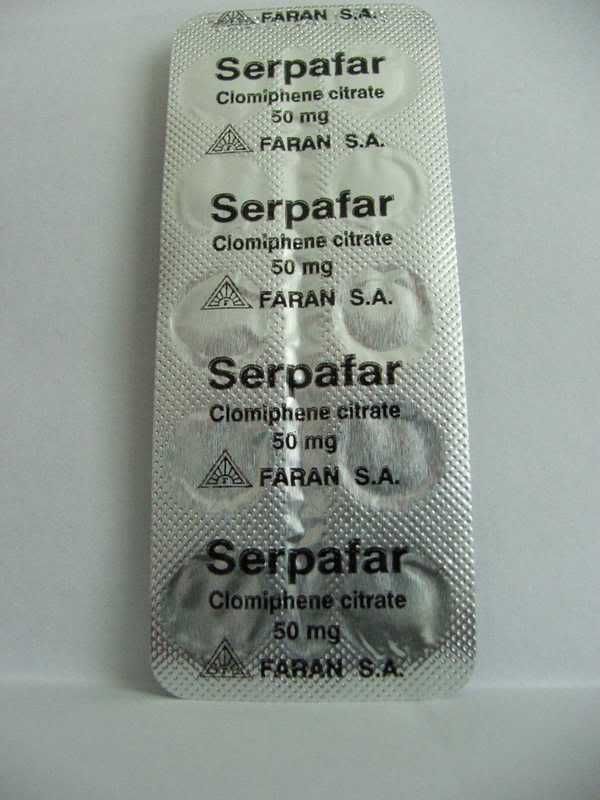 No, at least not if you take it alone, without other interventions, according to a new study by Scottish researchers in the British Medical Journal.
Neither Clomid (clomiphene citrate) - which is an ovulation stimulator - nor artificially inseminating women with sperm injected directly in the uterus, resulted in more live births than simply continuing to try to have babies the old-fashioned way, concluded the study. It was led by Siladitya Bhattacharya, a professor of reproductive medicine at the University of Aberdeen.
The study involved nearly 600 women who were unable to conceive for more than two years. These women had normal ovulatory cycles, open and healthy fallopian tubes and their partners had normally functioning sperm.
Full story: http://www.boston.com/news/health/articles/2008/10/13/am_i_more_likely_to_get_pregnant_if_i_take_a_fertility_drug_such_as_clomid/
Life Begins...
Miscarriage stories of loss, hope & help
http://born2luv.blogspot.com
Stories of Pregnancy & Birth over 44y
- Daily blog of hope & inspiration!
http://pregnancyover44y.blogspot.com
4,800 Stories of Pregnancy & Birth over 44y
Daily blog of hope & inspiration!
http://pregnancyover44y.blogspot.com/
Recent Keyword Searches: ivf high fsh 38 pregnant, how common is it to get pregnant naturally in middle forties, retrieve eggs over 40 and pregnant, too old to get pregnant 45, what can i do to get pregnant at 40yrs
No, at least not if you take it alone, without other interventions, according to a new study by Scottish researchers in the British Medical Journal. Neither Clomid (clomiphene citrate) - which is an ovulation stimulator - nor artificially inseminating women with sperm injected directly in the uterus, resulted in more live births than simply continuing to try to have babies the old-fashioned way, concluded the study. It was led by Siladitya Bhattacharya, a professor of reproductive medicine at the University of Aberdeen.
The study involved nearly 600 women who were unable to conceive for more than two years. These women had normal ovulatory cycles, open and healthy fallopian tubes and their partners had normally functioning sperm.
Full story: http://www.boston.com/news/health/articles/2008/10/13/am_i_more_likely_to_get_pregnant_if_i_take_a_fertility_drug_such_as_clomid/
Life Begins...
Miscarriage stories of loss, hope & help
http://born2luv.blogspot.com
Stories of Pregnancy & Birth over 44y
- Daily blog of hope & inspiration!
http://pregnancyover44y.blogspot.com
4,800 Stories of Pregnancy & Birth over 44y
Daily blog of hope & inspiration!
http://pregnancyover44y.blogspot.com/
Recent Keyword Searches: ivf high fsh 38 pregnant, how common is it to get pregnant naturally in middle forties, retrieve eggs over 40 and pregnant, too old to get pregnant 45, what can i do to get pregnant at 40yrs
Photo by news.bbc.co.uk
 A new study suggests that using the medication Clomid and undergoing intrauterine insemination (IUI) offer no benefit to women who suffer from unexplained infertility.
Researchers point out that many doctors use both of these methods on women who show no obvious reason for their infertility because "doing nothing" is not popular.
But in a study of 580 women, those who used Clomid or underwent IUI were no more likely to get pregnant than if they had done nothing. Experts point out that both Clomid and IUI are highly useful, but only if women have trouble ovulating or if there is a sperm motility issue.
(BBC News) UPDATED 08/08/2008
Click here to read the full story
Life Begins...
Miscarriage stories of loss, hope & help
http://born2luv.blogspot.com/
Stories of Pregnancy & Birth over 44y
- Daily blog of hope & inspiration!
http://pregnancyover44y.blogspot.com/
4,750 Stories of Pregnancy & Birth over 44y
Daily blog of hope & inspiration!
http://pregnancyover44y.blogspot.com/
Recent Keyword Searches: can i get pregnant over the age of 45 without help, risks of having a baby at 44, can a woman still get pregnant with old ovaries, getting pregnant in your 40, can i get pregnant at 44 yrs old?
 A new study suggests that using the medication Clomid and undergoing intrauterine insemination (IUI) offer no benefit to women who suffer from unexplained infertility.
 Researchers point out that many doctors use both of these methods on women who show no obvious reason for their infertility because "doing nothing" is not popular.
But in a study of 580 women, those who used Clomid or underwent IUI were no more likely to get pregnant than if they had done nothing. Experts point out that both Clomid and IUI are highly useful, but only if women have trouble ovulating or if there is a sperm motility issue.
(BBC News) UPDATED 08/08/2008
Click here to read the full story
Life Begins...
Miscarriage stories of loss, hope & help
http://born2luv.blogspot.com/
Stories of Pregnancy & Birth over 44y
- Daily blog of hope & inspiration!
http://pregnancyover44y.blogspot.com/
4,750 Stories of Pregnancy & Birth over 44y
Daily blog of hope & inspiration!
http://pregnancyover44y.blogspot.com/
Recent Keyword Searches: can i get pregnant over the age of 45 without help, risks of having a baby at 44, can a woman still get pregnant with old ovaries, getting pregnant in your 40, can i get pregnant at 44 yrs old?
Amy and Stephen Smyk of Vestal tried unsuccessfully to start a family for more than seven years.
"We went through batteries of tests," said Smyk, now 38. "There was no reason why we couldn't get pregnant."
So they turned to fertility drugs for help. Within two months, Smyk was pregnant with Kara, now 3. The drugs also helped her to conceive Hannah, who turns 9 months old this week.
"Without this help, I don't know if we could have had healthy pregnancies," said Smyk, who described her daughters as a "complete and utter blessing."
Cost of treatment
The Smyks are among an estimated 10 percent of couples across the United States who have difficulty conceiving children. About 5 to 7 percent of them turn to fertility treatments for help, said Dr. James Kondrup, a Vestal gynecologist who treated Amy Smyk.
Locally, numbers of couples seeking fertility treatments have dropped from a high of 15 patients per week back in the early 1990s to four or five patients per week. That's due to the loss of jobs suffered by the Southern Tier and cutbacks in insurance coverage, Kondrup said.
"Patients cannot afford to pay for fertility treatments out of their pocket," said Kondrup, who's been practicing in Broome County for 20 years.
Treatments range from $50 for one cycle of five pills (the most common option being Clomid) to $2,000 for one cycle of injectable treatments, called gonadotropins, he said. Some insurance companies cover the cost of treatments while others don't. Smyk's insurance covered two rounds of injections -- enough time to help her conceive.
Seeing double
One of the side effects of using fertility drugs is multiple-birth pregnancies -- which Beth Wolfer of Berkshire experienced after injecting fertility treatments. Evan and Larissa will turn 3 years old in March.
The chances of having twins increases by 5 to 10 percent if a woman takes Clomid, according to the Centers for Disease Control and Prevention. It's extremely rare -- almost impossible -- to have triplets or more when using that drug.
Women who use gonadotropins see their chances of having twins rise to 15 to 20 percent, and there's a 5 percent chance of having triplets or more with the injectable form, the CDC reports.
Either way, multiple births have a higher chance of complications such as low birth weight -- which occurs in 5 to 10 percent of pregnancies. Evan weighed just 1 pound, 7 ounces while Larissa weighed 1 pound, 4 ounces when they were born prematurely.
"There were times we didn't know if we they were going to make it," Wolfer said of herself and her husband, Matthew.Today, the twins are doing well with the help of speech, physical and occupational therapy, she said.
Is it worth it?
Both Smyk and Wolfer say they advise any couple trying unsuccessfully to have children to try fertility treatments.
"The science is out there to do it," said Wolfer, 40. "It can work."
Both women say they don't regret all the shots, the countless trips to the doctor's office and the long wait to become a mother.
"It's a roller coaster of emotions", Wolfer said. "It's not easy. But it's all worth it."
Source: http://www.pressconnects.com/apps/pbcs.dll/article?AID=/20080127/LIFESTYLE/801270333/1004/LIFESTYLE
Life Begins...
Miscarriage stories of loss, hope & help
http://born2luv.blogspot.com/
Stories of Pregnancy & Birth over 44y
- Daily blog of hope & inspiration!
http://pregnancyover44y.blogspot.com/
4,350 Stories of Pregnancy & Birth over 44y
Daily blog of hope & inspiration!
http://pregnancyover44y.blogspot.com/
"We went through batteries of tests," said Smyk, now 38. "There was no reason why we couldn't get pregnant."
So they turned to fertility drugs for help. Within two months, Smyk was pregnant with Kara, now 3. The drugs also helped her to conceive Hannah, who turns 9 months old this week.
"Without this help, I don't know if we could have had healthy pregnancies," said Smyk, who described her daughters as a "complete and utter blessing."
Cost of treatment
The Smyks are among an estimated 10 percent of couples across the United States who have difficulty conceiving children. About 5 to 7 percent of them turn to fertility treatments for help, said Dr. James Kondrup, a Vestal gynecologist who treated Amy Smyk.
Locally, numbers of couples seeking fertility treatments have dropped from a high of 15 patients per week back in the early 1990s to four or five patients per week. That's due to the loss of jobs suffered by the Southern Tier and cutbacks in insurance coverage, Kondrup said.
"Patients cannot afford to pay for fertility treatments out of their pocket," said Kondrup, who's been practicing in Broome County for 20 years.
Treatments range from $50 for one cycle of five pills (the most common option being Clomid) to $2,000 for one cycle of injectable treatments, called gonadotropins, he said. Some insurance companies cover the cost of treatments while others don't. Smyk's insurance covered two rounds of injections -- enough time to help her conceive.
Seeing double
One of the side effects of using fertility drugs is multiple-birth pregnancies -- which Beth Wolfer of Berkshire experienced after injecting fertility treatments. Evan and Larissa will turn 3 years old in March.
The chances of having twins increases by 5 to 10 percent if a woman takes Clomid, according to the Centers for Disease Control and Prevention. It's extremely rare -- almost impossible -- to have triplets or more when using that drug.
Women who use gonadotropins see their chances of having twins rise to 15 to 20 percent, and there's a 5 percent chance of having triplets or more with the injectable form, the CDC reports.
Either way, multiple births have a higher chance of complications such as low birth weight -- which occurs in 5 to 10 percent of pregnancies. Evan weighed just 1 pound, 7 ounces while Larissa weighed 1 pound, 4 ounces when they were born prematurely.
"There were times we didn't know if we they were going to make it," Wolfer said of herself and her husband, Matthew.Today, the twins are doing well with the help of speech, physical and occupational therapy, she said.
Is it worth it?
Both Smyk and Wolfer say they advise any couple trying unsuccessfully to have children to try fertility treatments.
"The science is out there to do it," said Wolfer, 40. "It can work."
Both women say they don't regret all the shots, the countless trips to the doctor's office and the long wait to become a mother.
"It's a roller coaster of emotions", Wolfer said. "It's not easy. But it's all worth it."
Source: http://www.pressconnects.com/apps/pbcs.dll/article?AID=/20080127/LIFESTYLE/801270333/1004/LIFESTYLE
Life Begins...
Miscarriage stories of loss, hope & help
http://born2luv.blogspot.com/
Stories of Pregnancy & Birth over 44y
- Daily blog of hope & inspiration!
http://pregnancyover44y.blogspot.com/
4,350 Stories of Pregnancy & Birth over 44y
Daily blog of hope & inspiration!
http://pregnancyover44y.blogspot.com/
Recent Keyword Searches: risks of having a baby at 40 years old, can woman get pregnant at age 45 and higher, is it possible to get pregnant at 43?, can you get pregnant at age 55, is it easy to get pregnant at 45?, how to be pregnat when you are 50 years old ?, can you become prgenant in perimenopause, oldest woman to get pregnant, can you become pregnant at age 50?, is it possible to get prenant at age 48
Fertility patients could save time and money by skipping some recommended steps in treatment and going straight to IVF, according to a new study. This would mean that couples with fertility problems would not lose precious time in conceiving a child.
Women who skipped the rounds of artificial insemination with hormone treatment, recommended in the US, and went straight to IVF became pregnant 30% faster than their counterparts following traditional US protocols. The researchers now say that doctors should abandon the use of artificial insemination combined with direct hormone treatment.
In countries such as the US, doctors recommend that women seeking fertility treatment follow a three-step process. The first part involves receiving a drug called Clomid, which boosts egg production, and then injecting sperm into the body through artificial insemination. One cycle of this treatment has a 6% to 9% success rate.
Doctors typically attempt three cycles of artificial insemination with Clomid. If this fails, they move to the next step – artificial insemination in combination with "follicle stimulating" hormone (FSH).
Dangerous pregnancies
The administration of FSH ramps up egg production far beyond Clomid, and for this reason, use of the hormone often results in dangerous triplet pregnancies. This method has an estimated success rate of 9% to 15%. If three such cycles fail to work, women receive in-vitro fertilisation (IVF) treatment as a last resort.
Because of the unpredictable risk of dangerous triplet and quadruplet pregnancies with FSH-based artificial insemination, some fertility clinics have started skipping this step and going straight to IVF if the Clomid treatment fails.
"More and more couples are skipping the middle step or going directly to IVF," says Richard Reindollar of the Dartmouth-Hitchcock Medical Center in Lebanon, New Hampshire, US. But experts have remained unsure whether this "fast-tracked" IVF is a wise move.
'No benefit'
So Reindollar and colleagues studied the outcome of 503 couples with unexplained infertility who were randomly assigned to either the three-step process or the "fast-tracked" two-step process.
They found that both groups had a similar success rate – while 185 (75%) of the couples receiving conventional treatment achieved pregnancy, 199 (78%) of those assigned to the fast-track protocol achieved pregnancy.
Moreover, the fast-track couples had a 40% better chance of achieving pregnancy in the first year of treatment than those undergoing standard treatment. And while the latter group took 11 months and $71,399 on average to produce pregnancy, this happened within eight months – 30% faster – for couples who skipped the middle step, and cost $61,553 on average.
According to Reindollar, the results show that artificial insemination combined with FSH "does not provided added benefit over an accelerated approach that eliminates this treatment".
"It pretty definitively shows that there's no benefit from this middle step," comments Evan Myers at the University of North Carolina School of Public Health in Chapel Hill, North Carolina.
Reindollar says his study – the first to prospectively investigate the impact of fast-tracked IVF – should prompt clinics to skip FSH-based artificial insemination and thereby reduce the risk of complicated triplet pregnancies. He admits that IVF can also carry an elevated risk of triplet pregnancies, but stresses that this can be avoided by transferring fewer embryos.
The findings were presented at the annual meeting of the American Society for Reproductive Medicine in Washington, DC, US on Thursday.
Source: http://www.newscientist.com/article/dn12803-fasttrack-ivf-saves-time-and-lowers-risks.html
Women who skipped the rounds of artificial insemination with hormone treatment, recommended in the US, and went straight to IVF became pregnant 30% faster than their counterparts following traditional US protocols. The researchers now say that doctors should abandon the use of artificial insemination combined with direct hormone treatment.
In countries such as the US, doctors recommend that women seeking fertility treatment follow a three-step process. The first part involves receiving a drug called Clomid, which boosts egg production, and then injecting sperm into the body through artificial insemination. One cycle of this treatment has a 6% to 9% success rate.
Doctors typically attempt three cycles of artificial insemination with Clomid. If this fails, they move to the next step – artificial insemination in combination with "follicle stimulating" hormone (FSH).
Dangerous pregnancies
The administration of FSH ramps up egg production far beyond Clomid, and for this reason, use of the hormone often results in dangerous triplet pregnancies. This method has an estimated success rate of 9% to 15%. If three such cycles fail to work, women receive in-vitro fertilisation (IVF) treatment as a last resort.
Because of the unpredictable risk of dangerous triplet and quadruplet pregnancies with FSH-based artificial insemination, some fertility clinics have started skipping this step and going straight to IVF if the Clomid treatment fails.
"More and more couples are skipping the middle step or going directly to IVF," says Richard Reindollar of the Dartmouth-Hitchcock Medical Center in Lebanon, New Hampshire, US. But experts have remained unsure whether this "fast-tracked" IVF is a wise move.
'No benefit'
So Reindollar and colleagues studied the outcome of 503 couples with unexplained infertility who were randomly assigned to either the three-step process or the "fast-tracked" two-step process.
They found that both groups had a similar success rate – while 185 (75%) of the couples receiving conventional treatment achieved pregnancy, 199 (78%) of those assigned to the fast-track protocol achieved pregnancy.
Moreover, the fast-track couples had a 40% better chance of achieving pregnancy in the first year of treatment than those undergoing standard treatment. And while the latter group took 11 months and $71,399 on average to produce pregnancy, this happened within eight months – 30% faster – for couples who skipped the middle step, and cost $61,553 on average.
According to Reindollar, the results show that artificial insemination combined with FSH "does not provided added benefit over an accelerated approach that eliminates this treatment".
"It pretty definitively shows that there's no benefit from this middle step," comments Evan Myers at the University of North Carolina School of Public Health in Chapel Hill, North Carolina.
Reindollar says his study – the first to prospectively investigate the impact of fast-tracked IVF – should prompt clinics to skip FSH-based artificial insemination and thereby reduce the risk of complicated triplet pregnancies. He admits that IVF can also carry an elevated risk of triplet pregnancies, but stresses that this can be avoided by transferring fewer embryos.
The findings were presented at the annual meeting of the American Society for Reproductive Medicine in Washington, DC, US on Thursday.
Source: http://www.newscientist.com/article/dn12803-fasttrack-ivf-saves-time-and-lowers-risks.html
Found on the High FSH Support board:
I was 'diagnosed' on June 5 by the first RE I went to. My husband and I were so disturbed by the High FSH (16) diagnosis that we started going through the medical literature. (I'm a trained librarian and my husband's mother is a nurse. He learned in self-defense ) Anyway, we ended up going to a completely different doctor for a second opinion - which gave us better news - with a ton of research in our hands:
Other reasons for High FSH:
http://www.ncbi.nlm.nih.gov/entrez/query.fcgi?db=pubmed&cmd=Retrieve&dopt=Abstract&list_uids=9871915&query_hl=2&itool=pubmed_docsum
Twinning:
http://www.infertilityspecialist.com/ovulation_toner.html -- this also mentions Thyroid and the writer blasts the tendency to push DE even though he runs the DE program at his clinic.
http://jcem.endojournals.org/cgi/content/full/83/2/481#T1
Cimetidine:
http://www.ncbi.nlm.nih.gov/entrez/query.fcgi?cmd=Retrieve&db=PubMed&list_uids=7946012&dopt=Abstract
Clomiphene:
http://www.ncbi.nlm.nih.gov/entrez/query.fcgi?db=pubmed&cmd=Retrieve&dopt=Abstract&list_uids=12254980&query_hl=2&itool=pubmed_DocSum
Thyroid and FSH: (Find Alec's posts for the best on Thyroid issues.)
http://www.ncbi.nlm.nih.gov/entrez/query.fcgi?cmd=Retrieve&db=PubMed&list_uids=805044&dopt=Abstract
http://www.pathology.vcu.edu/education/endocrine/endocrine/pituitary/diseases.html --- Clomiphene blocks estrogen receptors, this causes GnRH release and elevation of LH. A lack of response may point to hypothalamic dysfunction.
http://www.aarda.org/infocus_article.php?ID=20 -- FSH elevation indicative of autoimmune disease!
LH as a neglected measure:
http://www.ncbi.nlm.nih.gov/entrez/query.fcgi?db=pubmed&cmd=Retrieve&dopt=AbstractPlus&list_uids=16412772&query_hl=2&itool=pubmed_DocSum
August 2006 study showing low reliability of Ovarian Reserve to IVF success rates:
http://www.ncbi.nlm.nih.gov/entrez/query.fcgi?db=pubmed&cmd=Retrieve&dopt=AbstractPlus&list_uids=16891297&query_hl=5&itool=pubmed_docsum
I have to say, I think that the doc's are rather presumptuous to say that they can't treat you. There is a possibility that other factors are at play from reading through the lit. Most doctor's are trying to keep their numbers up http://www.motherjones.com/news/feature/2006/07/breeder_reaction.html It is not easy to diagnose unusual problems.
I have spent the last 12 years keeping up with immunological research because I have severe allergies - not the type most people deal with. I'm part of the 3% who really can die from minimal exposure to an allergen. Research in reproduction is woefully behind several other fields. They are a 'baby' field in more ways than one! You need to find a doctor who knows that. I also have gotten spoiled by some excellent physicians who knew they didn't have all the answers.
For me, I fit 3 of the possible reasons for a high FSH reason that do NOT mean DOR or POR:
-- Familial twinning (mom and her mom are fraternal, plus she has a cousin who had 2 sets of fraternals; father's family one of the rare hereditary monozygotic twinning families.)
-- Taking Cimetidine. (New doc said he only knew about it because he was 'old'.)
-- TSH levels are borderline (4 - new guidelines say a TSH reading must be 1 or 2 to get pregnant.) There is also research (see above) that indicates elevated FSH + borderline TSH are early markers for Hashimoto's disease.) [Now normal (2.1 in June), but I have to wonder if allergy season raised it in me (May in MI)... I'm the 'research' case of allergy.
The new RE is well-known for research and having people who have worked for him go off to open new clinics - or run other clinics. He may not do a lot of IVFs compared to some other clinics, but I am having a real sense that he looks more closely at the case than those who are just looking to keep numbers up.
The High FSH diagnosis, as I do more research, seems more and more a crutch used to keep numbers up. Remember, fertility drugs were not widely used until the late 80s! That was over 10 years with working with just 1 or 2 eggs! Also, I haven't been able to track the study down again, lost it in BSOD, but, it said there is no difference in the number of natural pregnancies by age group when controlling for High FSH. (If anyone finds it, please post so I can add it to my list.)
There is also growing evidence that Ovarian Volume and antral follicle count is a better measure of Ovarian Reserve than any endocrinological test:
"Recent data indicate that the number of antral follicles present on cycle day 3 provides a better single prognostic indicator for poor response during IVF than the patient's age or any other endocrine marker.[58,60] Ovarian volume, which partly reflects the number of ovarian follicles, has also been shown to decrease with age,[61] and several studies have suggested a role for this parameter as a marker of ovarian reserve.[62,63,64] from : http://www.medscape.com/viewarticle/522445_4"
I just started this journey, and, I'm amazed at how little they really know about this most basic human function!
MLO
Source: http://www.network54.com/Forum/209394/message/1159455294/
I was 'diagnosed' on June 5 by the first RE I went to. My husband and I were so disturbed by the High FSH (16) diagnosis that we started going through the medical literature. (I'm a trained librarian and my husband's mother is a nurse. He learned in self-defense ) Anyway, we ended up going to a completely different doctor for a second opinion - which gave us better news - with a ton of research in our hands:
Other reasons for High FSH:
http://www.ncbi.nlm.nih.gov/entrez/query.fcgi?db=pubmed&cmd=Retrieve&dopt=Abstract&list_uids=9871915&query_hl=2&itool=pubmed_docsum
Twinning:
http://www.infertilityspecialist.com/ovulation_toner.html -- this also mentions Thyroid and the writer blasts the tendency to push DE even though he runs the DE program at his clinic.
http://jcem.endojournals.org/cgi/content/full/83/2/481#T1
Cimetidine:
http://www.ncbi.nlm.nih.gov/entrez/query.fcgi?cmd=Retrieve&db=PubMed&list_uids=7946012&dopt=Abstract
Clomiphene:
http://www.ncbi.nlm.nih.gov/entrez/query.fcgi?db=pubmed&cmd=Retrieve&dopt=Abstract&list_uids=12254980&query_hl=2&itool=pubmed_DocSum
Thyroid and FSH: (Find Alec's posts for the best on Thyroid issues.)
http://www.ncbi.nlm.nih.gov/entrez/query.fcgi?cmd=Retrieve&db=PubMed&list_uids=805044&dopt=Abstract
http://www.pathology.vcu.edu/education/endocrine/endocrine/pituitary/diseases.html --- Clomiphene blocks estrogen receptors, this causes GnRH release and elevation of LH. A lack of response may point to hypothalamic dysfunction.
http://www.aarda.org/infocus_article.php?ID=20 -- FSH elevation indicative of autoimmune disease!
LH as a neglected measure:
http://www.ncbi.nlm.nih.gov/entrez/query.fcgi?db=pubmed&cmd=Retrieve&dopt=AbstractPlus&list_uids=16412772&query_hl=2&itool=pubmed_DocSum
August 2006 study showing low reliability of Ovarian Reserve to IVF success rates:
http://www.ncbi.nlm.nih.gov/entrez/query.fcgi?db=pubmed&cmd=Retrieve&dopt=AbstractPlus&list_uids=16891297&query_hl=5&itool=pubmed_docsum
I have to say, I think that the doc's are rather presumptuous to say that they can't treat you. There is a possibility that other factors are at play from reading through the lit. Most doctor's are trying to keep their numbers up http://www.motherjones.com/news/feature/2006/07/breeder_reaction.html It is not easy to diagnose unusual problems.
I have spent the last 12 years keeping up with immunological research because I have severe allergies - not the type most people deal with. I'm part of the 3% who really can die from minimal exposure to an allergen. Research in reproduction is woefully behind several other fields. They are a 'baby' field in more ways than one! You need to find a doctor who knows that. I also have gotten spoiled by some excellent physicians who knew they didn't have all the answers.
For me, I fit 3 of the possible reasons for a high FSH reason that do NOT mean DOR or POR:
-- Familial twinning (mom and her mom are fraternal, plus she has a cousin who had 2 sets of fraternals; father's family one of the rare hereditary monozygotic twinning families.)
-- Taking Cimetidine. (New doc said he only knew about it because he was 'old'.)
-- TSH levels are borderline (4 - new guidelines say a TSH reading must be 1 or 2 to get pregnant.) There is also research (see above) that indicates elevated FSH + borderline TSH are early markers for Hashimoto's disease.) [Now normal (2.1 in June), but I have to wonder if allergy season raised it in me (May in MI)... I'm the 'research' case of allergy.
The new RE is well-known for research and having people who have worked for him go off to open new clinics - or run other clinics. He may not do a lot of IVFs compared to some other clinics, but I am having a real sense that he looks more closely at the case than those who are just looking to keep numbers up.
The High FSH diagnosis, as I do more research, seems more and more a crutch used to keep numbers up. Remember, fertility drugs were not widely used until the late 80s! That was over 10 years with working with just 1 or 2 eggs! Also, I haven't been able to track the study down again, lost it in BSOD, but, it said there is no difference in the number of natural pregnancies by age group when controlling for High FSH. (If anyone finds it, please post so I can add it to my list.)
There is also growing evidence that Ovarian Volume and antral follicle count is a better measure of Ovarian Reserve than any endocrinological test:
"Recent data indicate that the number of antral follicles present on cycle day 3 provides a better single prognostic indicator for poor response during IVF than the patient's age or any other endocrine marker.[58,60] Ovarian volume, which partly reflects the number of ovarian follicles, has also been shown to decrease with age,[61] and several studies have suggested a role for this parameter as a marker of ovarian reserve.[62,63,64] from : http://www.medscape.com/viewarticle/522445_4"
I just started this journey, and, I'm amazed at how little they really know about this most basic human function!
MLO
Source: http://www.network54.com/Forum/209394/message/1159455294/
Popular Posts
-
 Trying to Get Pregnant Naturally? You’re Not Alone. If you’ve been hoping, praying, and timing everything just right —and it still hasn’t h...
 -
In a few weeks, Yonatan and Omer Gar are scheduled to go to Mumbai, India, in order to take part in the first fertilization attempt of a sur...
-
 Fertility Supplement Bundle Our diet is one of the most important factors when it comes to trying to have a baby. Making sure we watch...
 -
 “In school, I wasn’t the one saying ‘I want to be a teacher or a doctor,’ ” Dana Murphy says, tickling her eight-month-old daughter. “...
 -
 Using a beeping Basal Body Thermometer (BBT) and worried about disturbing your partner's sleep? Here's a couple of ideas: Idea #1 - ...
 -
 Fertility Supplement Bundle Vitamin supplements help fertility in women: Taking multivitamins, particularly folic acid, can improve ch...


Recent Comments